

Research Areas
With its closely networked departments, the engineering sciences at the University of Duisburg-Essen achieve a unique range of research. It is closely linked to teaching at the highest level, which is oriented towards the research profile of the faculty. Supported by the five affiliated institutes and other cooperating institutions, the faculty efficiently and quickly translates its research results, achieved together with partners from other national and international research institutions as well as business and industry, into practical projects ready for application.
Microelectronics and Medical Engineering
For years, the faculty has been carrying out key research in the field of microelectronics and medical engineering in various areas, which are quickly translated into application-oriented projects, for example, via the Fraunhofer Institute for Microelectronic Circuits and Systems. In addition to highly developed electronics for diagnosis and therapy, the research also focuses on the development of new materials for better implants and prostheses. Interdisciplinary research projects also open up new, groundbreaking development potential in the field of semiconductor development or optoelectronic components.
Digital Building
A central topic in both research and teaching is the field of digital construction, which is new to the building industry. This includes methods, processes and IT tools for the interdisciplinary, system-oriented development of innovative, intelligent and networked products, production facilities and infrastructures. The research focuses on life cycle management, project and process management, building information modeling, automated construction production and in the area of business games and simulation. The aim is to further optimize project handling and the management of construction-related processes in the future.
Materials Engineering
Functional materials and building materials form two pillars of materials research. Non-metallic-inorganic functional materials and composites are the main object of research in the field of functional materials. Frost and durability in concrete are the classic building materials topics. Materials for thermal insulation and high-temperature building materials are dynamic new research areas. Another new field of work in the building materials sector is health monitoring with the help of acoustic emissions. These activities are complemented by organic functional materials and hybrids for photovoltaics. Further research fields are the load-bearing and deformation behavior of reinforced and prestressed concrete, lightweight and innovative solid structures made of modern high-performance concretes, the repair and reinforcement of concrete components and information processing in solid construction.
Nanotechnology
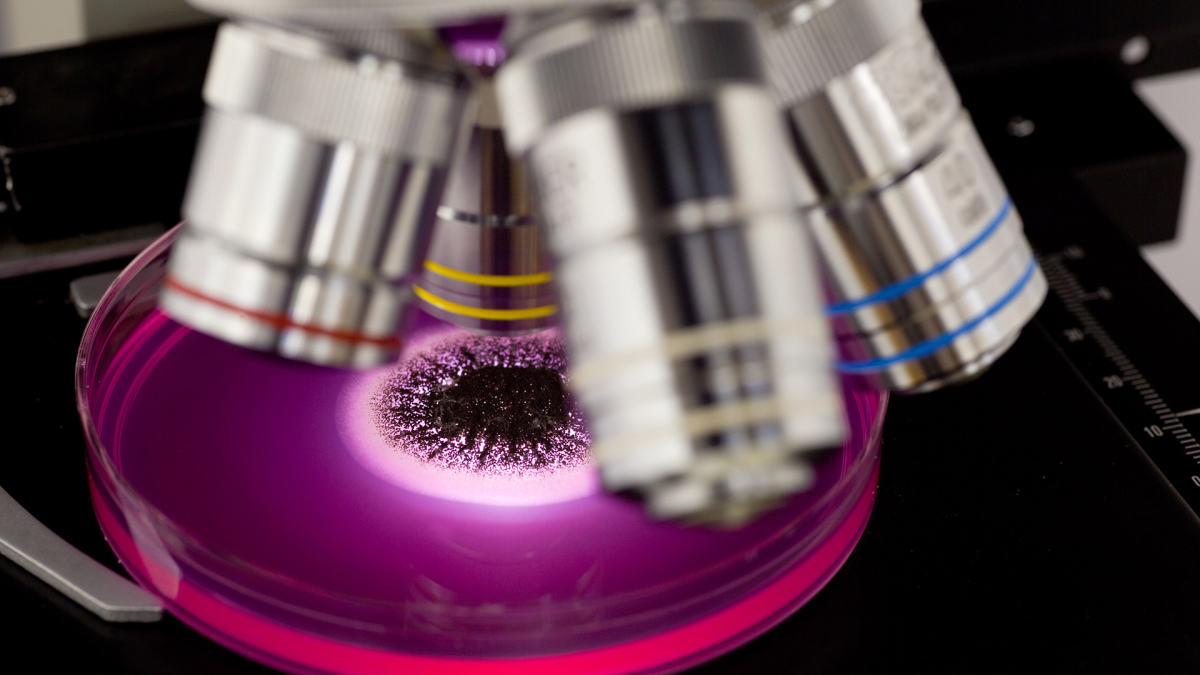
Nanotechnology and nanostructured components are considered to be the innovation drivers of the 21st century. The nano-sciences therefore form a profile focus. The Faculty of Engineering is one of the pillars of the Center for Nanointegration Duisburg-Essen, which brings together the expertise of all nano-scientists at the UDE under one roof. The engineers among them focus their research on the gas phase synthesis of nanomaterials, magnetism, nano-biomaterials and nano-energy technology, for which the Nano-Energie-Technik-Zentrum (NETZ) has its own research building.
Power Engineering
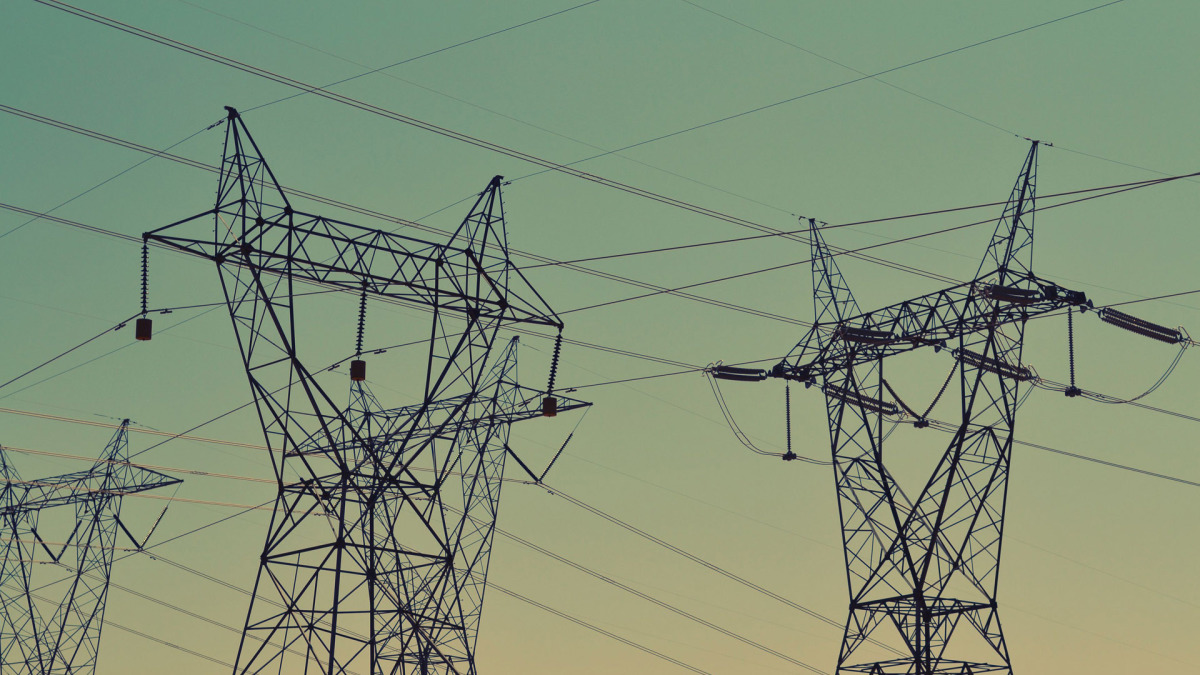
The energy supply of the future will have to cope with much greater fluctuations in electricity generation than today. The faculty is therefore researching, among other things, the flexibilisation of power plants through thermal energy storage. The investigations include the development of integration concepts of thermal energy storage and dynamic simulations of the entire power plant process. The integration of renewable power generation into existing grids and aspects of electromagnetic compatibility are also being researched. The research also focuses on energy storage systems and energy converters such as fuel cells and batteries. Further research areas are cogeneration systems and heat network simulation. However, the technological aspects in the field of electrical energy networks also play a major role.

Combustion Science
Innovative research on high temperature reactions in the gas phase is the focus of the Institute of Combustion and Gas Dynamics. As one of the first locations, the researchers systematically use the knowledge on soot prevention to develop processes for the targeted production of nanoparticles in the gas phase. The departments have unique equipment: test benches with optically accessible combustion engines and extensive laser measurement technology enable the quantitative in-situ analysis of reactive flow processes. In addition to reactors for nanoparticle synthesis from laboratory to pilot scale, one of the largest shock wave laboratories for high-temperature kinetics worldwide is used. The theoretically oriented groups have their own, highly-scaling in-house software for the efficient, time-resolved simulation of reactive turbulent multiphase flows.
Product Engineering
Several specialist areas have come together under the virtual roof of product engineering and materials technology. Here plastics experts, materials technologists and specialists in rapid and virtual prototyping work hand in hand to develop new production processes, materials and innovative products. Today's demands on product development require further development of manufacturing processes. Particularly noteworthy here are the generative manufacturing processes, which differ from conventional manufacturing processes in that they construct (generate) components by joining material layer by layer. Research topics here deal with the entire process chain of generative manufacturing, whereby the process understanding, quality assurance and the development of new areas of application are in the foreground.
Product Management
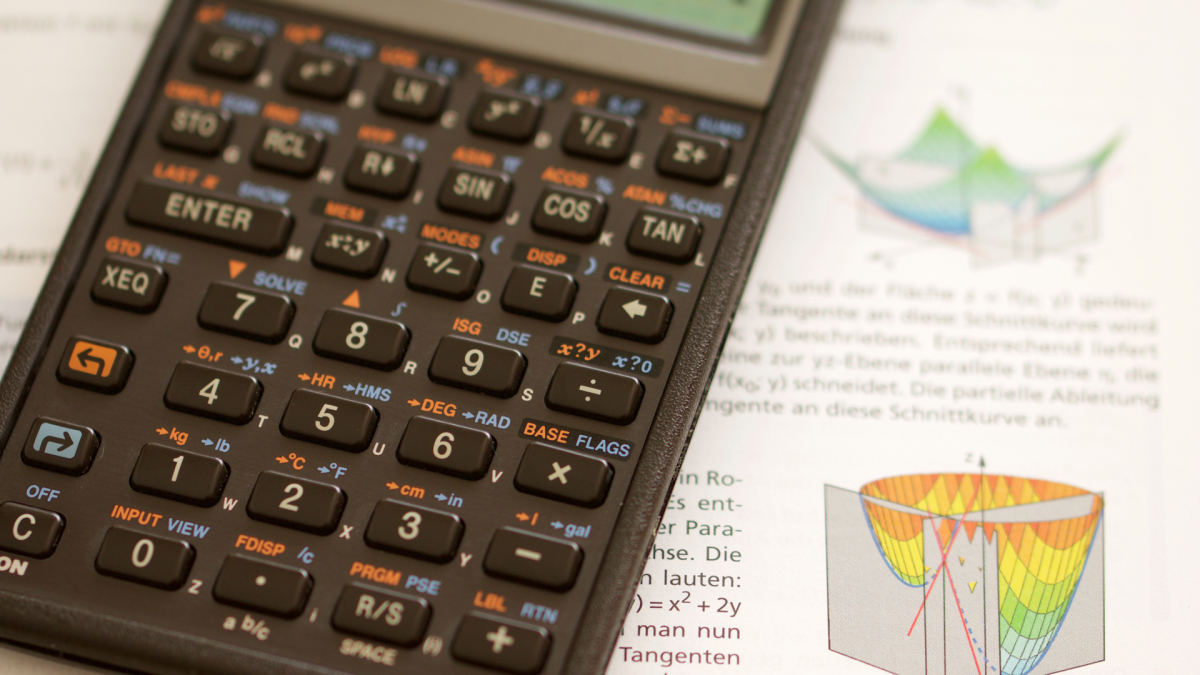
The development of technical products is supported by a variety of IT systems. Bringing together the many different isolated solutions across departmental and process boundaries in a central product model creates the basis for the implementation of Product Lifecycle Management methods and is thus the foundation for the optimization of product development processes. The areas of Computer Aided Design, Computer Aided Engineering and Product Data Management are at the center of the consideration. Application programming plays the central role for system integration and is another focus of the activities. A further research focus is in the area of digital reality.
Smart Technologies
In the course of Industry 4.0, smart technologies and systems are of crucial importance. Among other things, research in the field of process monitoring and fault-tolerant control is increasingly focused on networked and distributed systems with embedded smart components. The modelling and development of printable, flexible as well as chip-less radio labels (RFIDs) is currently being intensively investigated within the framework of larger joint projects. This RFID technology, designed as a future alternative to the optical barcode, is based on printable, µm-size silicon microcones that can be operated at operating frequencies well above 10 GHz.
System Reliability
With constantly increasing demands for high system reliability and availability, the subject area of process monitoring, fault diagnosis and fault-tolerant systems is becoming increasingly important in both research and industrial applications. This includes the development of model-based process monitoring and fault diagnosis technology, data-based process monitoring and plant management as well as fault-tolerant networked control engineering systems.

Mobility
A central topic in both research and teaching is automotive engineering. The focus is on energy-efficient vehicle systems and electro-mobility, the development and use of driving simulators, and the modelling and simulation of vehicle dynamics. Based on this, modern assistance systems are developed and evaluated in studies on driver acceptance. The extensive research work in the field of driver assistance systems concentrates on the one hand on the human-machine interface and on the other hand on the use of the "machine learning" method in a variety of applications in the areas of driver assistance but also of vehicle dynamics. Also the representation of traffic situations in driving simulators and the simulation of traffic flows are goals of the research.

Urban Development
The development of sustainable mobility and urban structures using empirical methods, such as behavioral measurements and statistical models, is a central task of the research on the interactions between city and mobility and the generation of new scientific knowledge that contributes to sustainable developments. In view of the increasing complexity of societal changes and the dynamics of energy industry and technological upheavals, the focus of the research is on the transformation of structures and systems and the associated changes in mobility and the city. In addition, the effects of digitization and new forms of propulsion on the development of urban systems and infrastructures as well as on mobility behavior in the sense of smart mobility are investigated.

Modern Water Research
Depending on the intended use, the quality of existing water resources is often insufficient and they must be treated accordingly. With decreasing quality of the resource and with increasing demands on the quality of the drinking or process water, the treatment becomes increasingly complex and expensive. With increasing pressure to use limited fresh water resources, we must go beyond the linear economic model in which we extract, produce and dispose of raw materials. The aim must be to move towards a circular approach in which raw materials are recycled and polluted resources are tapped and reused. At the same time, natural resources must be protected and the quality of the water discharged into watercourses must be improved at selected points. This means that new treatment processes must be developed or existing ones must be made more efficient, more effective and thus also more cost-effective.
Logistics
The world's largest inland port is located in Duisburg, which inevitably makes the city a European center for logistics. This is reflected in the Faculty of Engineering with an active research group focusing on supply chain management and transport system logistics. The Ruhr area as a multi-center metropolitan area is exemplary for the future development of urban areas.
Ship and Offshore Technology
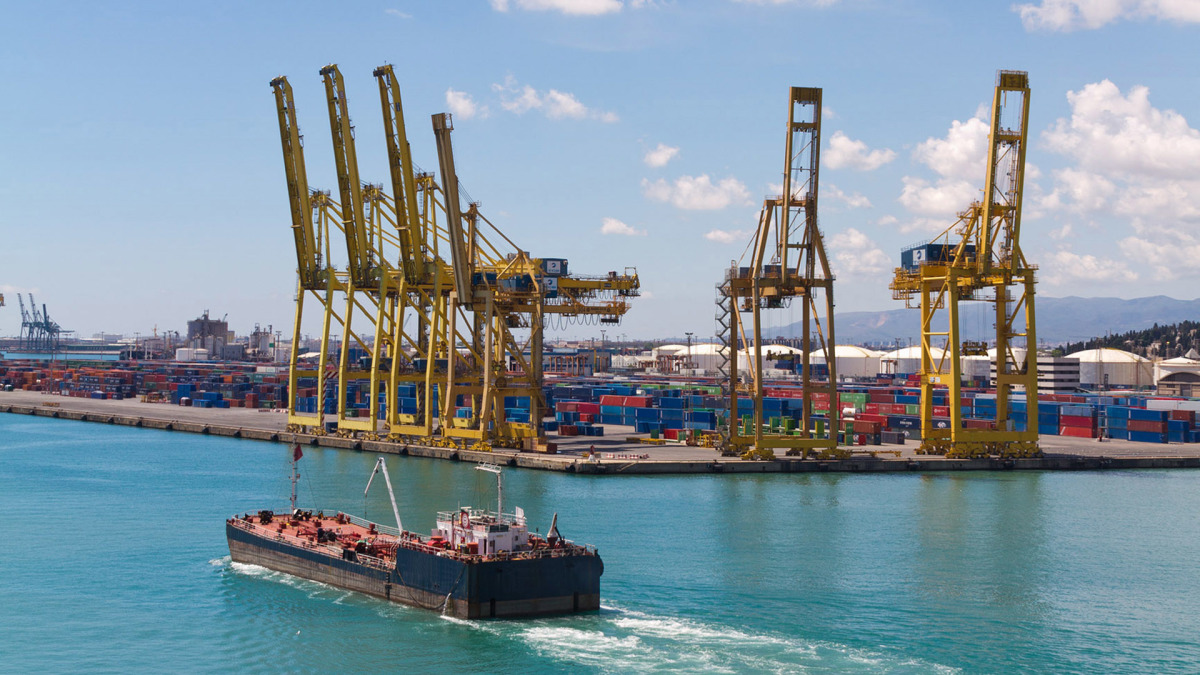
In research, the faculty is particularly active in the field of numerical and experimental hydrodynamics and fluid-structure interaction. Problems in the field of ship and offshore technology are dealt with. Experimental investigations of the behavior of multiphase fluids (sloshing, slamming, cavitation, etc.) are carried out in the institute's own laboratories. Furthermore, numerical simulations in the maritime context (wave-induced movements and loads, propulsion, maneuvering, fluid-structure interaction, etc.) are carried out. The main focus of the work is on both basic and applied research and covers various disciplines of general ship engineering as well as offshore structures.
Human-Technology-Interaction
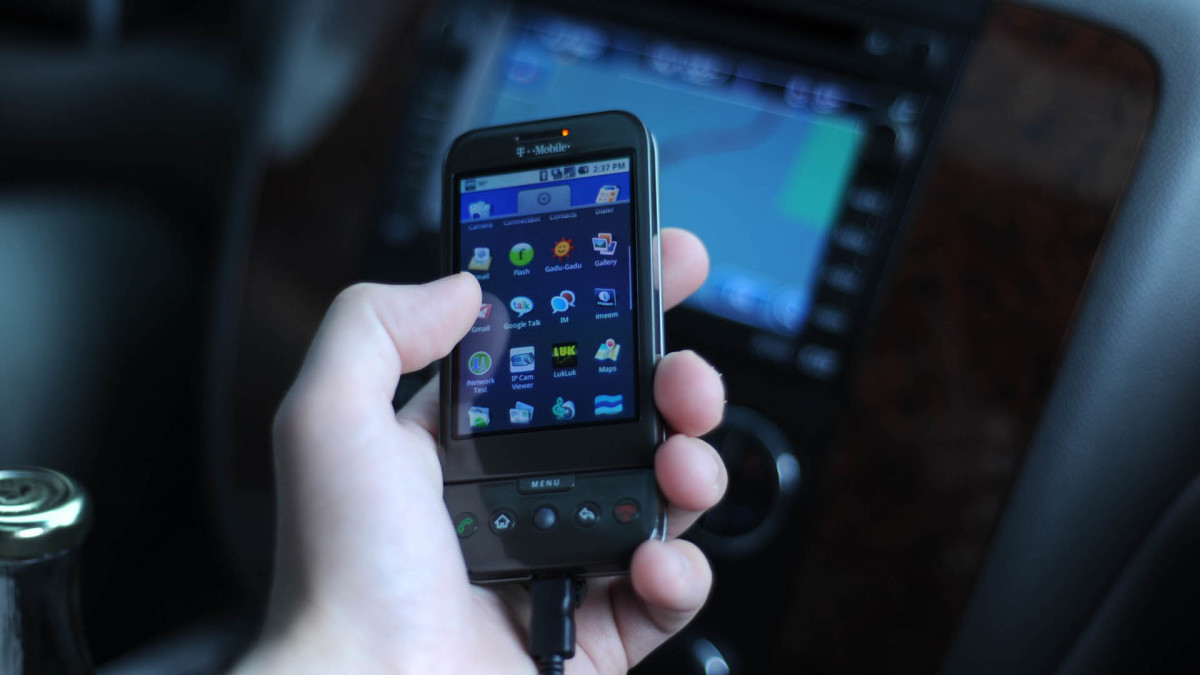
The combination of computer science and psychological competence is one of the success factors of the faculty. Human-machine interfaces and their improved design are often the focus of attention, but the influence of new media on human behavior, information retrieval or computer games are also important research topics. An interdisciplinary guiding theme is the design and development of interactive systems and media, in which all competencies from formal, model-building methods and advanced software technologies to experimental and evaluative studies of human-technology interaction can be used synergistically. The research focuses on engineering and media informatics with an applied orientation as well as on psychological questions of new media and human-technology interaction.

Communication and Collaboration
Current technical developments, such as in the field of artificial intelligence and virtual reality applications, are increasingly affecting human communication and collaboration. Socio-technical systems, which describe the interaction between technology and humans, are particularly affected by this. Here, numerous new questions and challenges arise on a technical, behavioral and organizational level. Within the framework of various projects, topics such as security in the use of information technology (IT security), in the use of social media or when driving a car are taken into account. On the other hand, it is investigated which factors and mechanisms cause a particularly risky decision-making behavior or dysfunctional use.