

EMPI


Effiziente, großskalige Energiewandlung und Energiespeicherung sind Themen von hoher gesellschaftlicher Relevanz, ebenso wie die Erzeugung und Prozessierung von möglichst nachhaltigen Materialien, die eine effiziente Energiewandlung erst ermöglichen. Für künftige Fortschritte bei diesen Themen müssen die wissenschaftlichen Grundlagen in einiger Tiefe gut verstanden sein und in die Ausbildung junger Wissenschaftler und Wissenschaftlerinnen eingehen, daher sind Forschung und Lehre am EMPI eng verknüpft.
Das Institut für Energie- und Material-Prozesse EMPI legt die wissenschaftlichen Grundlagen für die Energiewandlung und -speicherung, die Herstellung und Verarbeitung von Funktionsmaterialien und Werkstoffen sowie das Verständnis von Hochtemperaturprozessen. Dies beginnt bei der Erforschung der Details in kleinen Versuchsanlagen und umfasst die gesamte Prozesskette hin zu Anlagen von industrieller Größenordnung. Experimentelle Untersuchungen werden durch Theorie und Simulationen begleitet, als Vorbereitung ebenso, wie zur Interpretation von Versuchsergebnissen.
In der Forschung deckt das EMPI ein breites Spektrum wissenschaftlicher Disziplinen ab, einschließlich Quantenchemie, Reaktionskinetik, In-situ-Diagnostik, Thermodynamik, Strömungsmodellierung und Simulation, und bietet eine experimentelle Plattform, die vom Materialdesign bis zur Verarbeitung, Nutzung und Optimierung reicht, insbesondere für Anwendungen im Energiekontext. Eine einzigartige Stärke liegt in den vielfältigen Querverbindungen zwischen den Disziplinen, der Entwicklung vielseitiger wissenschaftlicher Werkzeuge und der Expertise zur zielgerichteten Übertragung von grundlegenden Erkenntnissen in technisch nutzbare Verfahren. Das EMPI hat den Anspruch, mit seinen Arbeiten international und national wichtige Forschungsimpulse zu geben und dabei auch regional als Kooperationspartner der Unternehmen der Rhein-Ruhr-Region in Forschung und Entwicklung zur Seite zu stehen.
Am Institut sind sechs Lehrstühle mit über 100 Wissenschaftlerinnen und Wissenschaftlern verankert:
- Thermodynamik (Professor Burak Atakan),
- Fluiddynamik (Professor Andreas Kempf),
- Angewandte Quantenmaterialien (Professor Gabi Schierning),
- Partikeltechnik (Professor Doris Segets),
- Reaktive Fluide (Professor Christof Schulz) und
- Nanopartikel-Prozesstechnik (Professor Markus Winterer)
Darüber hinaus arbeiten international renommierte Wissenschaftlerinnen und Wissenschaftler mit eigenständigen Profilen am EMPI, u.a.:
- Professor Sebastian Kaiser,
- Professor Khadijeh Mohri,
- Professor Thomas Dreier,
- Professor Harmut Wiggers,
- Dr. Torsten Endres,
- Dr. Mustapha Fikri,
- Dr. Fatih Özcan,
- Dr. Irenäus Wlokas,
- Dr. Niklas Jüngst.
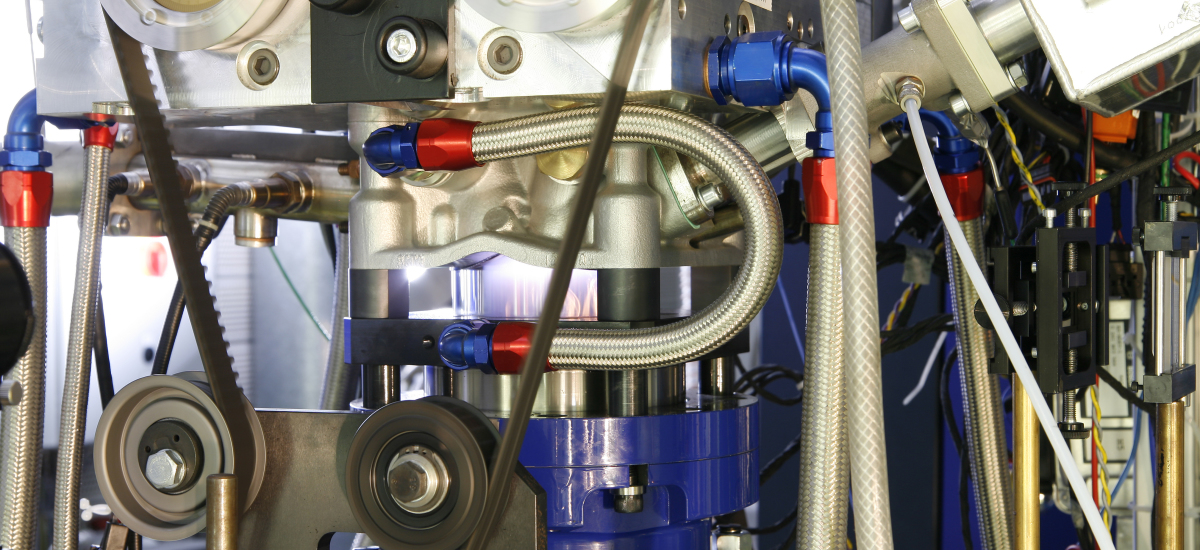
Das EMPI verfügt über einzigartige Ausstattung: Reaktoren für die Nanopartikelsynthese und -prozessierung vom Labor- bis zum Pilotmaßstab, eines der größten Stoßwellen-Labors für Hochtemperaturkinetik weltweit, Prüfstände mit optisch zugänglichen Reaktionssystemen und umfangreiche Lasermesstechnik sowie leistungsfähige und einzigartige Inhouse-Software. Diese Systeme ermöglichen es, Prozesse zu entwickeln, durch neue Mess- und Simulationsverfahren reaktive Strömungsprozesse in-situ zu analysieren und auf die Anwendung zu übertragen. Die Forschung am EMPI wird durch 12 technische Mitarbeiter und Mitarbeiterinnen mit einem außergewöhnlich breiten Qualifikationsportfolio unterstützt.
In der Lehre deckt das EMPI einen breiten Bereich ab: Von Thermodynamik und Strömungslehre über Wärme- und Stoffübertragung, chemische Kinetik, reaktive Strömungen, Turbulenzmodellierung, Lasermesstechnik, Numerische Methoden und Materialsynthese bis hin zur Prozessierung. Die Themen werden im Bachelor- und Masterstudium in Vorlesungen, Übungen, Praktika und Seminaren mit großem Engagement innerhalb verschiedener nationaler und internationaler Studiengänge vermittelt, bevor Studierende ihre erworbenen Kenntnisse in wissenschaftlichen Abschlussarbeiten auf aktuelle Themen aus den oben genannten Bereichen anwenden. Mit etwa 20 Promotionen und ca. 60 Abschlussarbeiten pro Jahr trägt das EMPI erheblich zur Ausbildung der nächsten Generation von Ingenieurinnen und Ingenieuren, Wissenschaftlerinnen und Wissenschaftlern bei, die ihre wissenschaftlich fundierte Ausbildung auf internationalem Niveau nutzen, um sie kritisch zur Lösung gesellschaftlicher Probleme einzusetzen.