

News
W3 University professorship in "Technical Chemistry - Technical and Macromolecular Chemistry for Water Research"
Job advertisement (German version)
Job advertisement (English version)
You can find more information about the position and the and the scientific environment in the profil overview.


Postdoc positions in the fields of hydrogen and water research
In the new research profile "Natural Water to Hydrogen" the research fields of "water research" and "hydrogen" are being brought together at the UDE. 14 research groups of the UDE and 22 associated partners from academia and industry are working together to increase the sustainability of hydrogen production through anion exchange membrane (AEM) water electrolysis. For the first time, a fundamental understanding is to be gained of how water quality, electrodes and membranes influence each other. Using organic and inorganic lead substances, it will be quantified how or to what extent water needs to be purified before and during electrolysis. The projects involved cover multiple disciplines including water electrolysis, electrocatalysis, water technology and purification, membrane technology, nanomaterial synthesis, surface science and theoretical chemistry. We offer an excellent and engaging interdisciplinary research environment and a pleasant working atmosphere in a dynamic team.
The deadline for advertised positions has expired. Please contact Dr. Lydia Didt for further information.
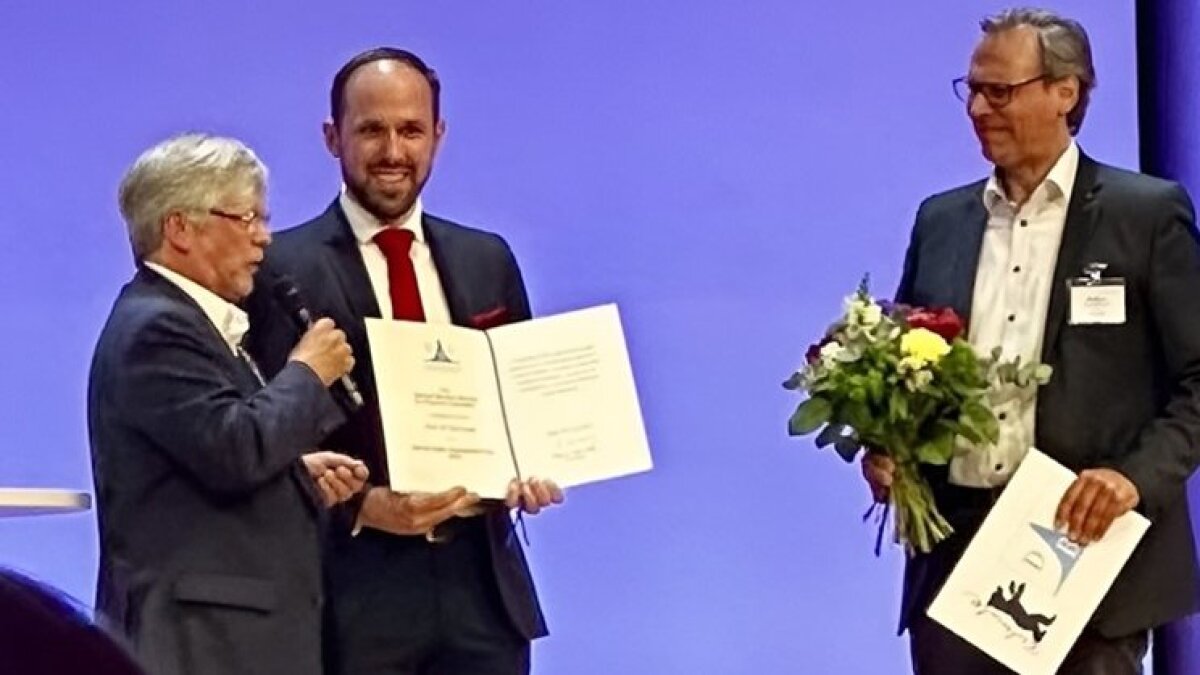
Important contributions to the identification of active sites and reaction mechanisms for electrochemical reactionsKai Exner receives Nernst-Haber-Bodenstein Prize
[09.06.2023] The German Bunsen Society for Physical Chemistry awarded the prestigious Nernst-Haber-Bodenstein Prize 2023 to Kai Exner. The prize recognizes his outstanding scientific achievements in the theoretical description of electrocatalytic processes at electrified solid/liquid interfaces, in particular his contributions to the understanding of trends using volcano curves. Read more on CENIDE news.
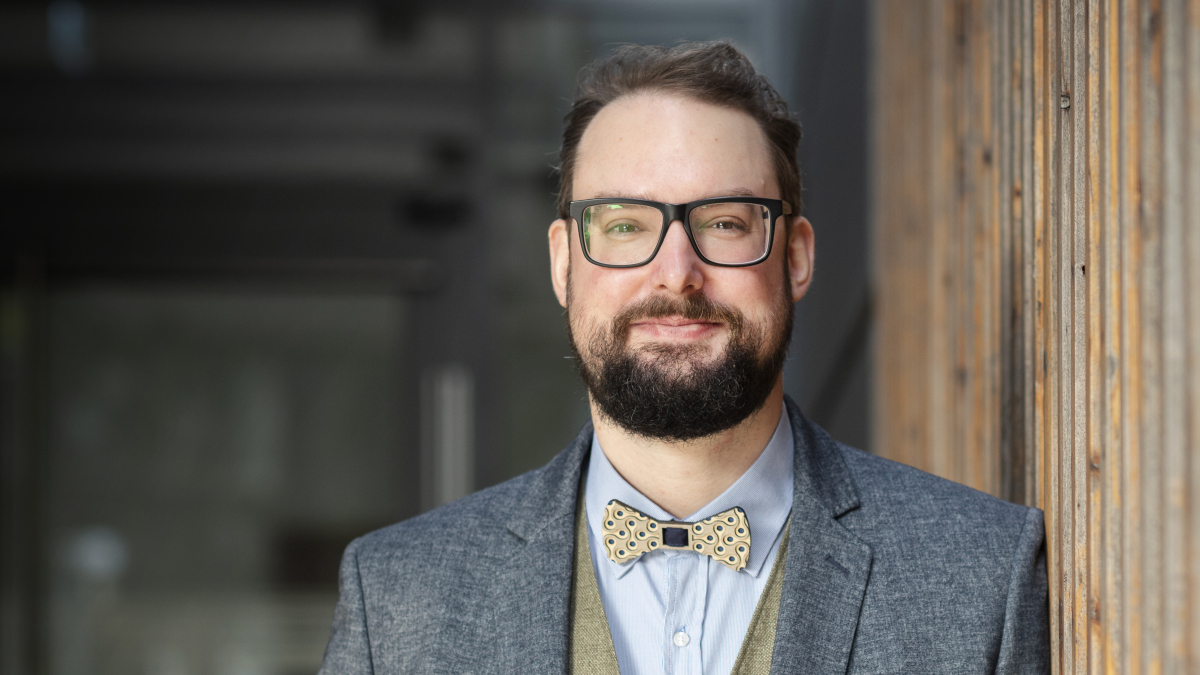
Recent Publication in Water Research - Microorganisms ward off parasitesPotential new function of CRISPR-Cas system discovered
[28.07.2023] Microorganisms use the CRISPR-Cas system to fight viral attacks. In genetic engineering, the microbial immune system is used for the targeted modification of the genetic make-up. Under the leadership of Professor Dr. Alexander Probst, microbiologist at the Research Center One Health Ruhr at the Research Alliance Ruhr a research team has now discovered another function of this specialised genomic sequence: archaea – microorganisms that are often very similar to bacteria in appearance – also use them to fight parasites. The team has now published its findings in Nature Microbiology. Read the full press release here.
New theoretical approach addresses the oxygen evolution reaction (OER)
The latest publication of ACTIVE SITES member Kai Exner addresses the oxygen evolution reaction (OER), a process of high relevance due to its application in electrolyzers for hydrogen production or metal–air batteries for energyconversion and storage. Until now, the application of electronic structure theory to improve OER materials has been based on a supposed single reaction mechanism. Kai Exner was able to show that, especially in the case of highly active OER catalysts, several reaction mechanisms take place depending on the applied electrode potential, with the favored reaction pathway changing with increasing overvoltage. The theoretical approach presented can also be applied to other electrocatalytic processes. View article , view UDE press release.
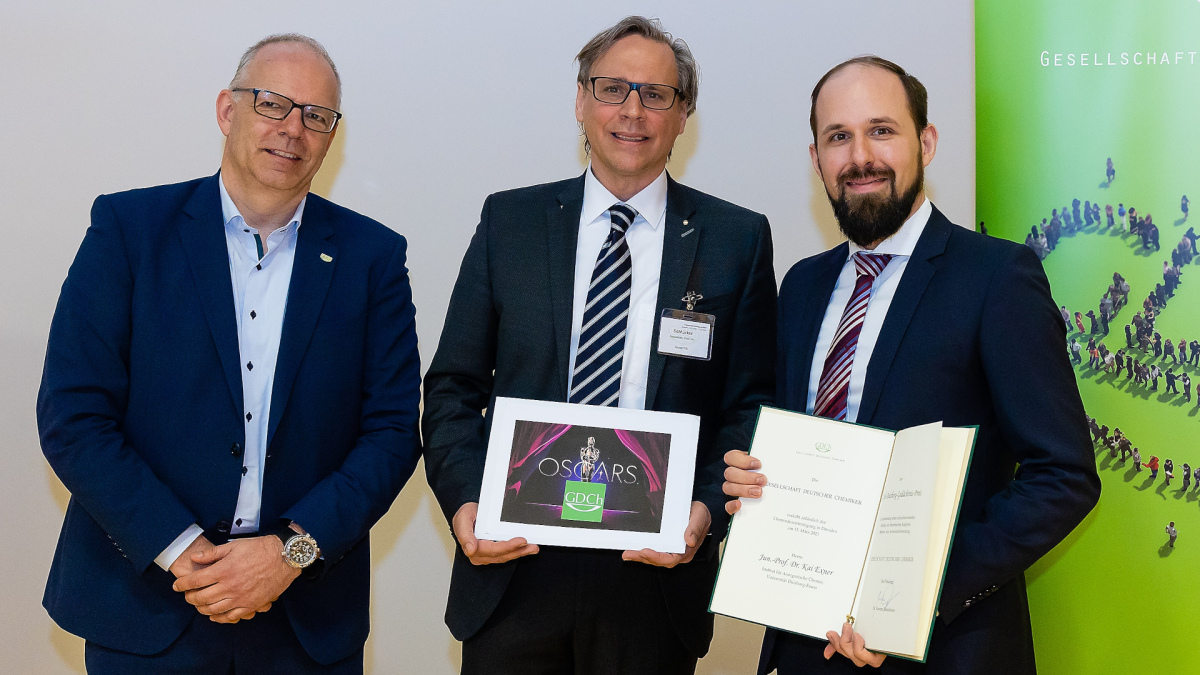
In the picture: In January, Prof. Kai S. Exner (right), was appointed to the Board of the Electrochemistry Division of the German Chemical Society (GDCh).
Awarded by the German Chemical Society (GDCh)Kai Exner receives Carl Duisberg Memorial Prize
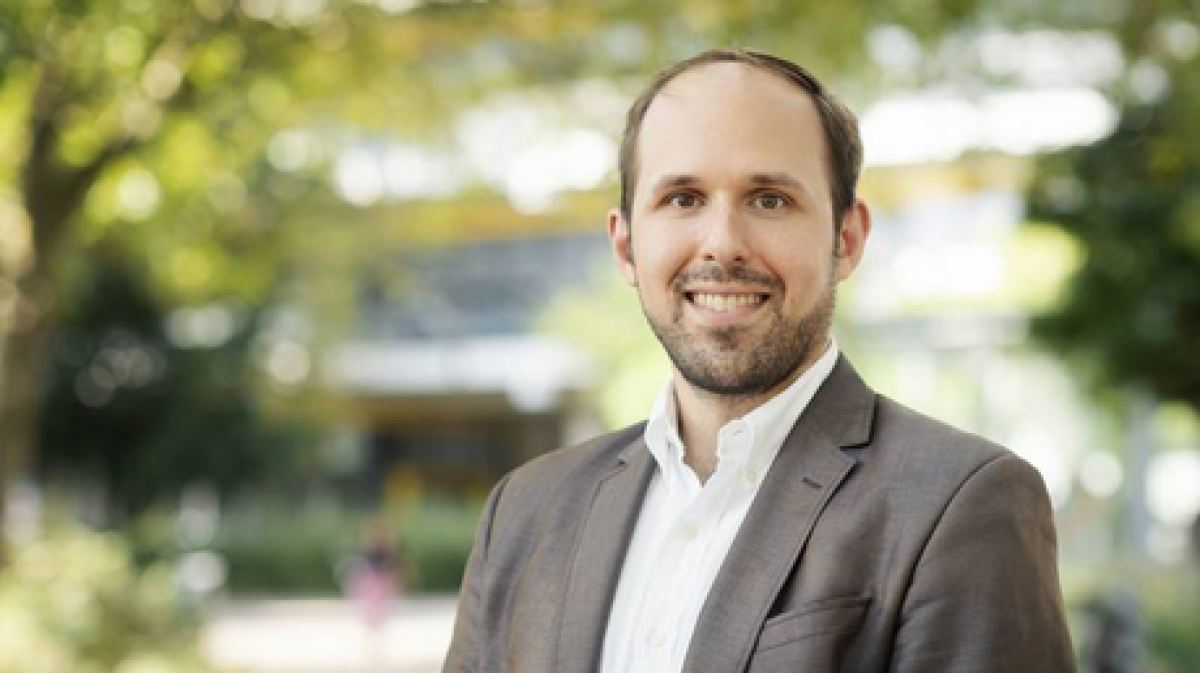
[23.03.2023] Kai Exner was awarded the prestigious Carl Duisberg Memorial Prize of the German Chemical Society (GDCh) during the Chemistry Lecturers' Conference at the Technical University of Dresden. The GDCh honours Kai Exner for his outstanding conceptual contributions in the highly topical and competitive fields of theoretical electrocatalysis and battery research. The prize is endowed with 7500 euros and has been awarded since 1936 to young university teachers who work at a German university or as Germans at a foreign university, do not yet hold a W2/W3 or comparable position and have not yet exceeded the age of 40. Congratulations on the award!
Jochen-Block-Preis 2023 for Corina Andronescu
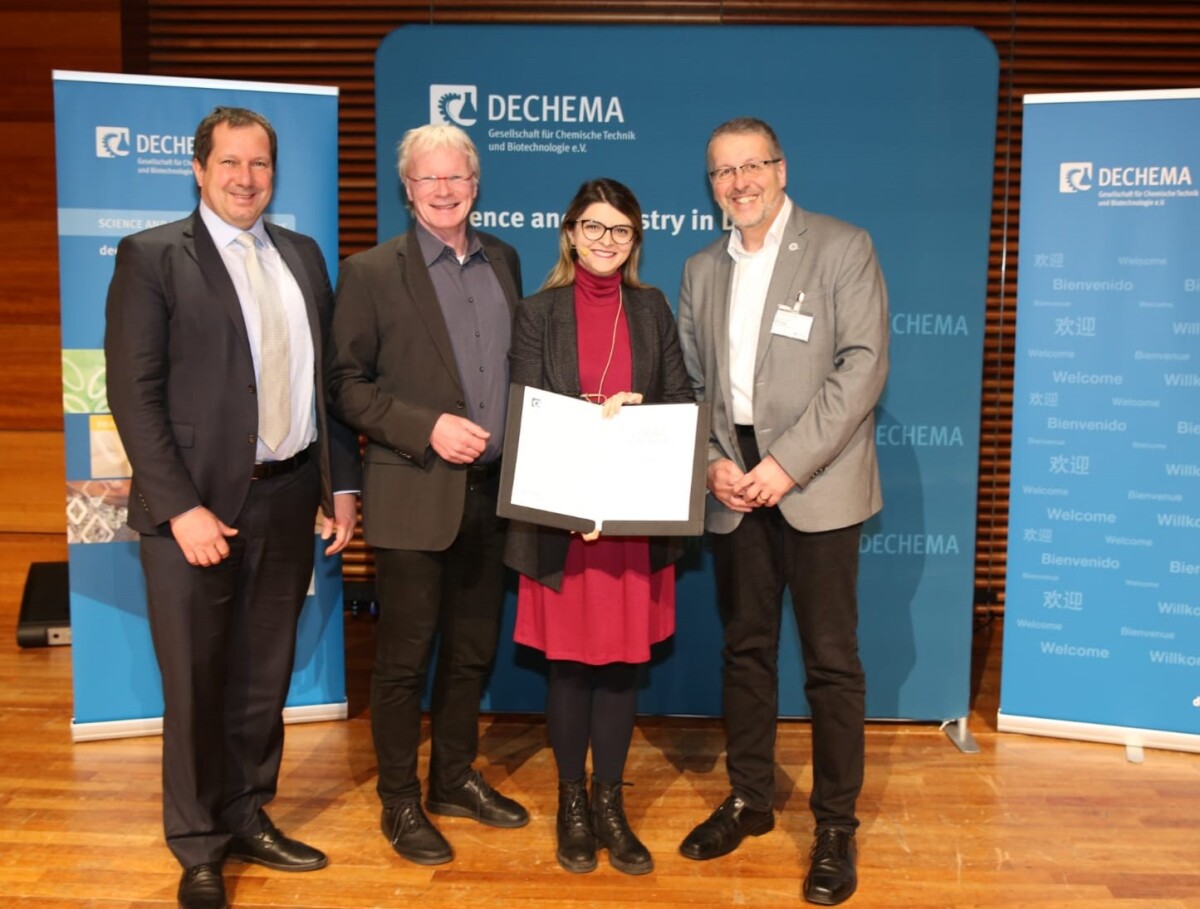
[16.03.2023] The Jochen-Block-Preis 2023 of the German Catalysis Society was awarded to Corina Andronescu at the German Catalysis Meeting in Weimar. The award recognises Corina Andronescu`s significant contributions to method development for the stable immobilisation of catalysts on electrodes for energy conversion and storage. Congratulations!
UA RuhrFirst One Health Ruhr-Professorship for Alexander Probst
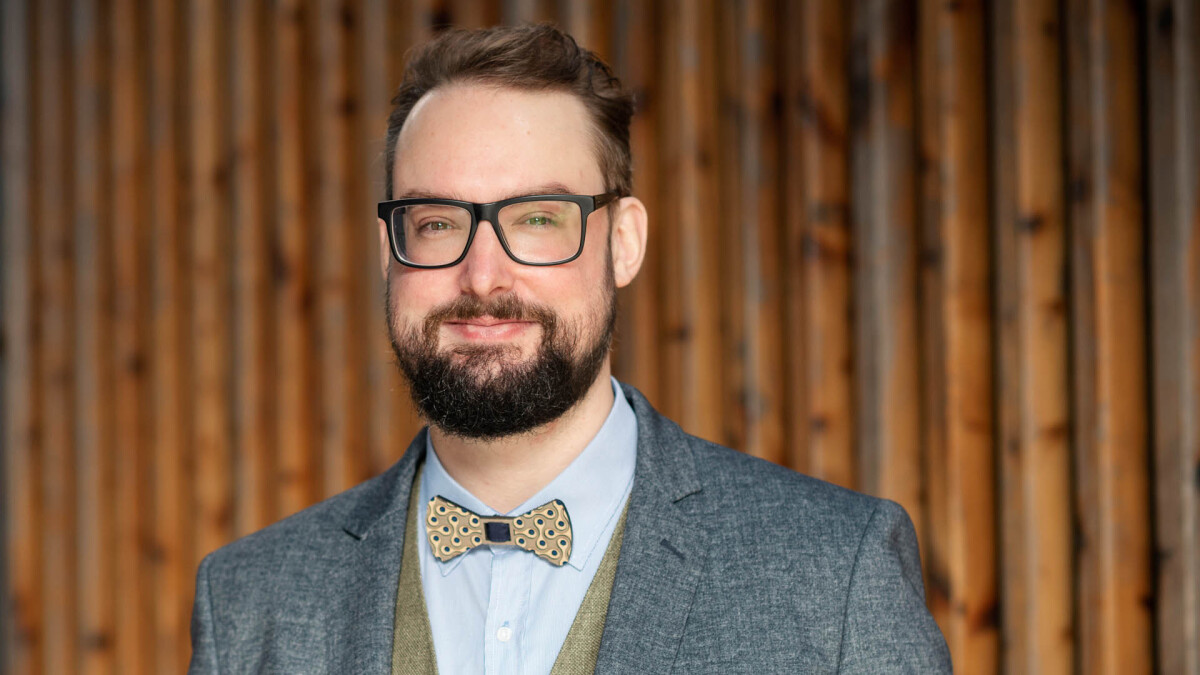
[10.11.2022] The RC One Health Ruhr is one of four research centres in which the UA Ruhr of the universities of Bochum, Dortmund and Duisburg-Essen organises its cutting-edge research on urgent issues in an international and interdisciplinary way. Our colleague Alexander Probst is the first research professor at One Health Ruhr. Congratulations!
Read more: UDE Press Release
Award for Corina AndronescuGottschalk-Diederich-Baedeker-Prize
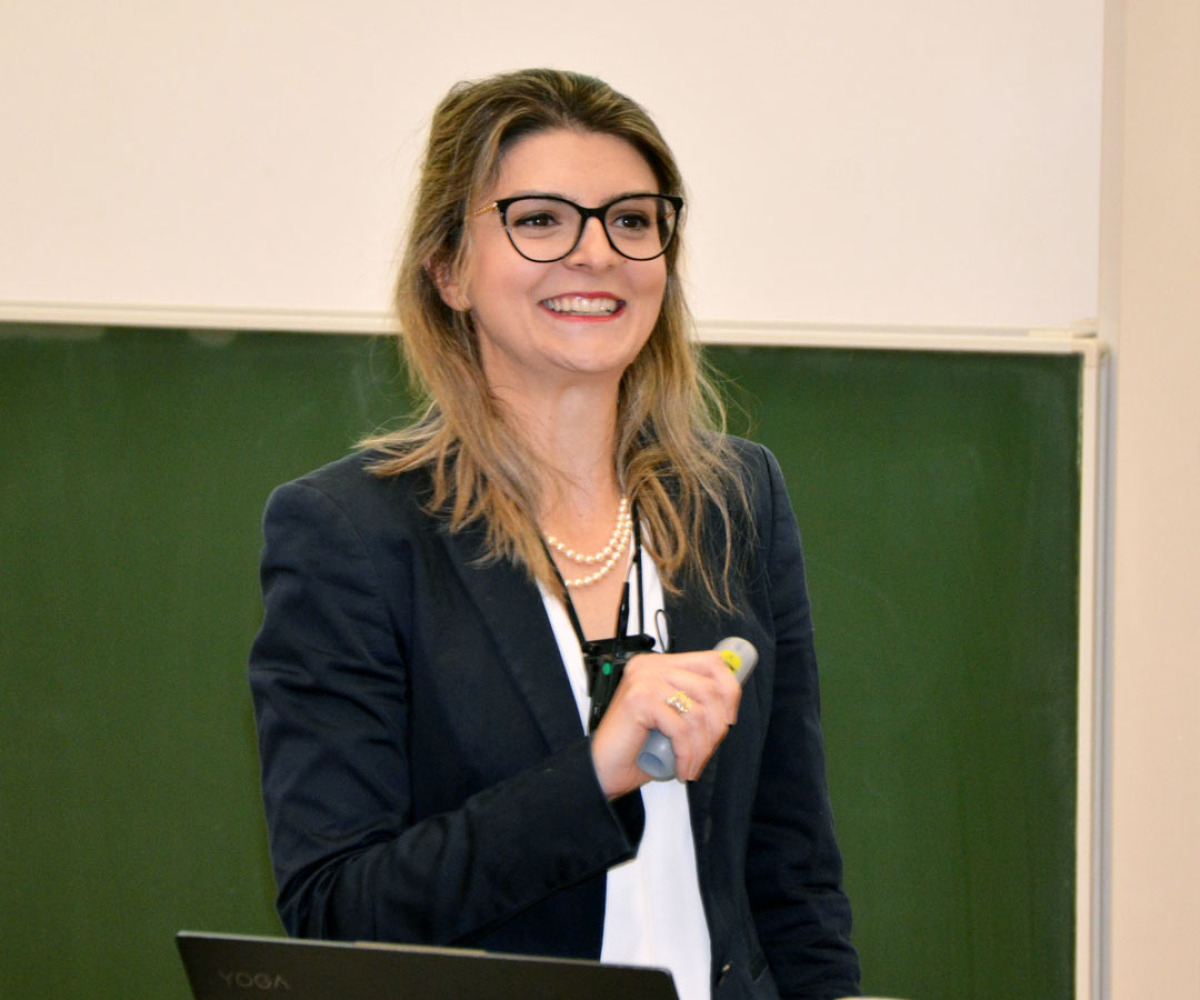
[02.11.2022] Corina Andronescu has been awarded the Gottschalk-Diederich-Baedeker Prize for Young Scientists for her research on electrocatalytic materials and their sustainable use in water electrolysis or CO2 reduction. This prize is awarded by the Essen-based G.D. Baedeker Foundation to scientists who bring their outstanding research to industry. With the prize, the foundation wants to make the benefits of UDE research visible for the Ruhr metropolitan region.
Read more: UDE Press Release, WAZ report
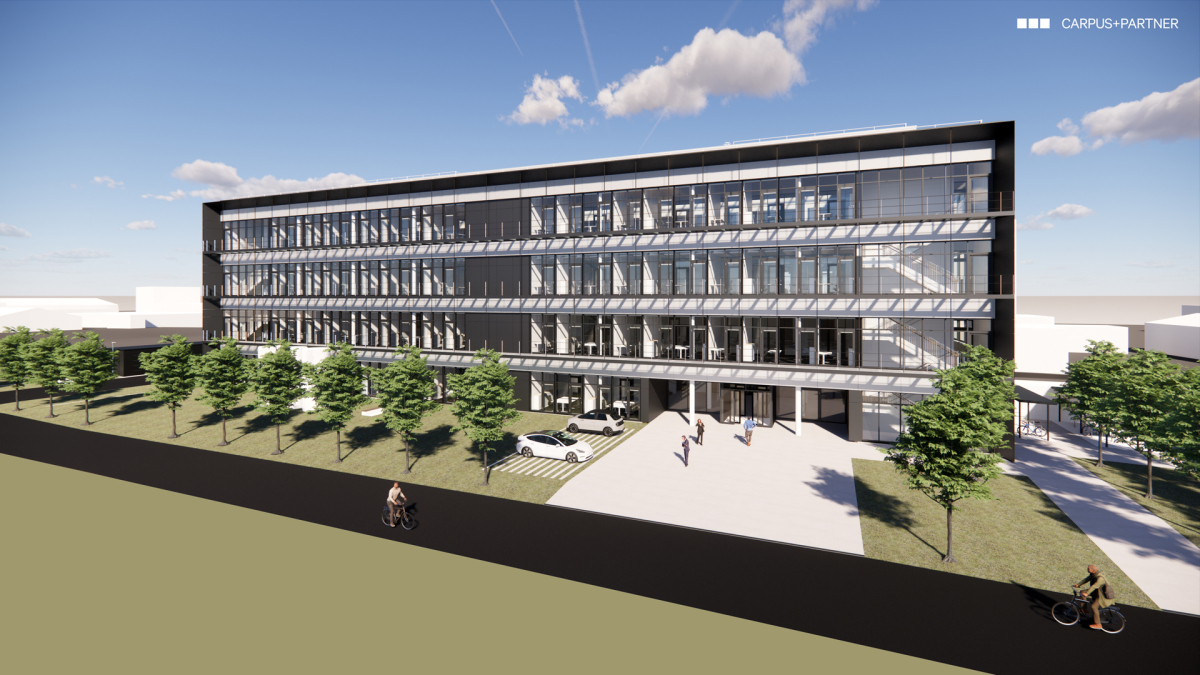
Research building approvedNew methods for top-level research
Funding for the new ACTIVE SITES research building has been secured: Following the Science Council, the Joint Science Conference (GWK) has now also given green light for the new 70-million-euro building. The costs are shared by the federal and state governments and the UDE. With ACTIVE SITES the UDE gains a centre of international renown at which so-called active sites are researched in an aqueous environment. These have an important role in chemical and biological processes, such as energy conversion, water purification and active subtances development. Starting 2026, scientists from various disciplines will conduct research together in state-of-the-art laboratories. Read more