
Welcome

Welcome to our Research Group
Galstyan Lab - Photoactive Nanomaterials
At the forefront of innovation and discovery, our group is dedicated to advancing science through a multidisciplinary approach that bridges chemistry, physics, and medicine. Our research explores complex challenges and seeks transformative solutions by integrating expertise across several key areas.
Prof. Dr. Anzhela Galstyan
Faculty of Chemistry
University of Duisburg-Essen
CV
Previous Positions
- Independent Research Group Leader, Centers for Soft Nanoscience, University of Münster
- Postdoctoral Researcher, European Institute for Molecular Imaging, University Hospital Münster
- Postdoctoral Researcher, Physikalisches Institut, Centers for Nanotechnology, University of Münster
Education
- Ph.D. in Bioinorganic Chemistry, Dortmund University of Technology & Max–Planck Institute for Molecular Physiology (currently Living Matter)
- M.Sc. in Chemistry, Yerevan State University (Exchange: University of Siegen)
- B.Sc. with Honors in Chemistry, Yerevan State University
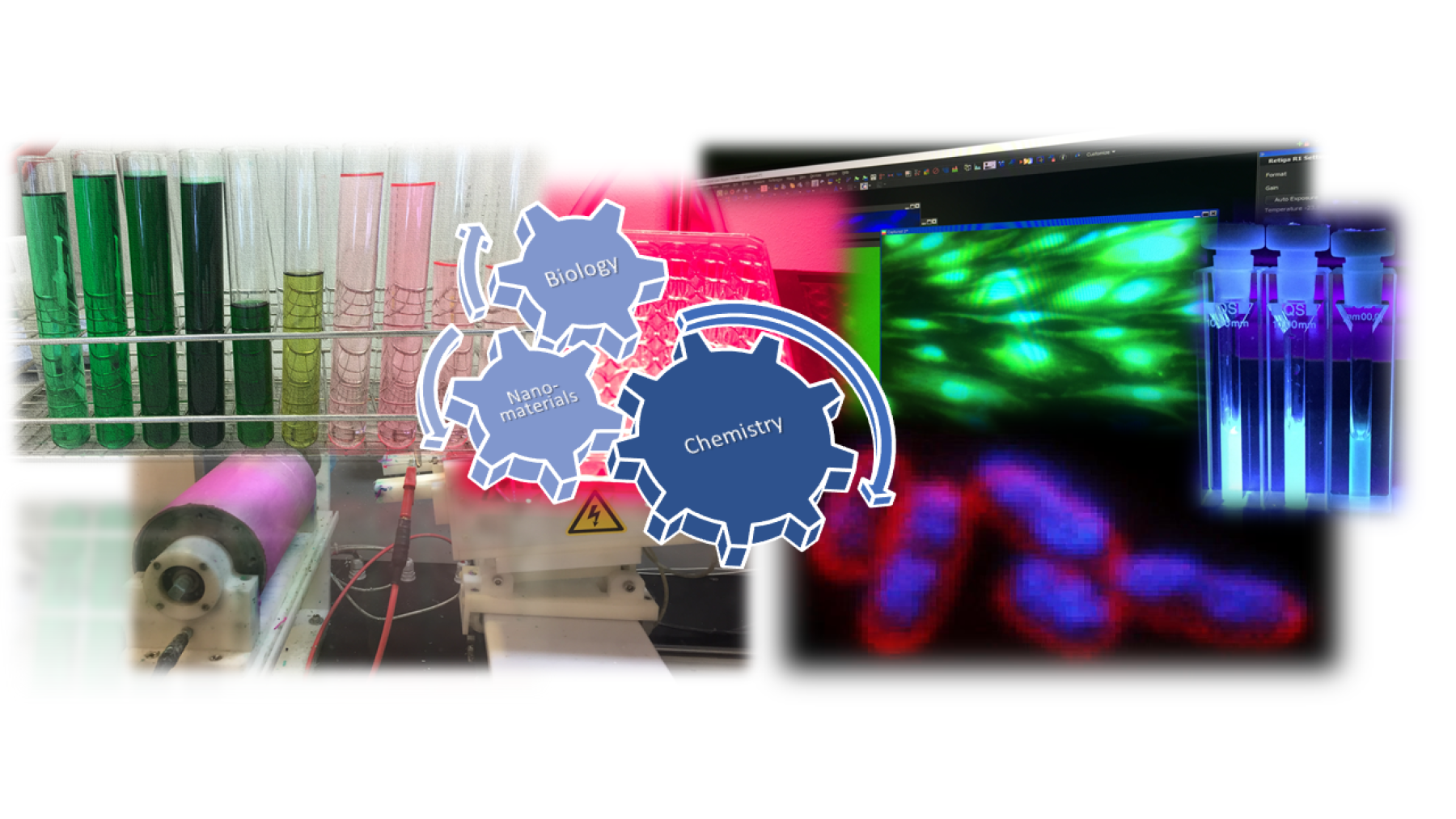
Driven by Curiosity, United by Collaboration
We are passionate about pushing the boundaries of knowledge and translating discoveries into real-world impact. From pioneering new materials to developing next-generation therapies, our mission is to contribute to a healthier and more sustainable future.
Join us at the intersection of chemistry, biology, and physics. We welcome applications from chemistry and water science students for internships, research projects, bachelor’s or master’s theses — open year-round.
News
Antibakterielle Nanomaterialien Aktive Zentren bei Wasserdesinfektion sichtbar gemacht
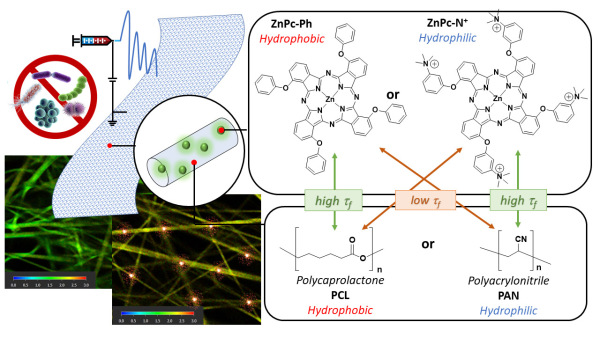
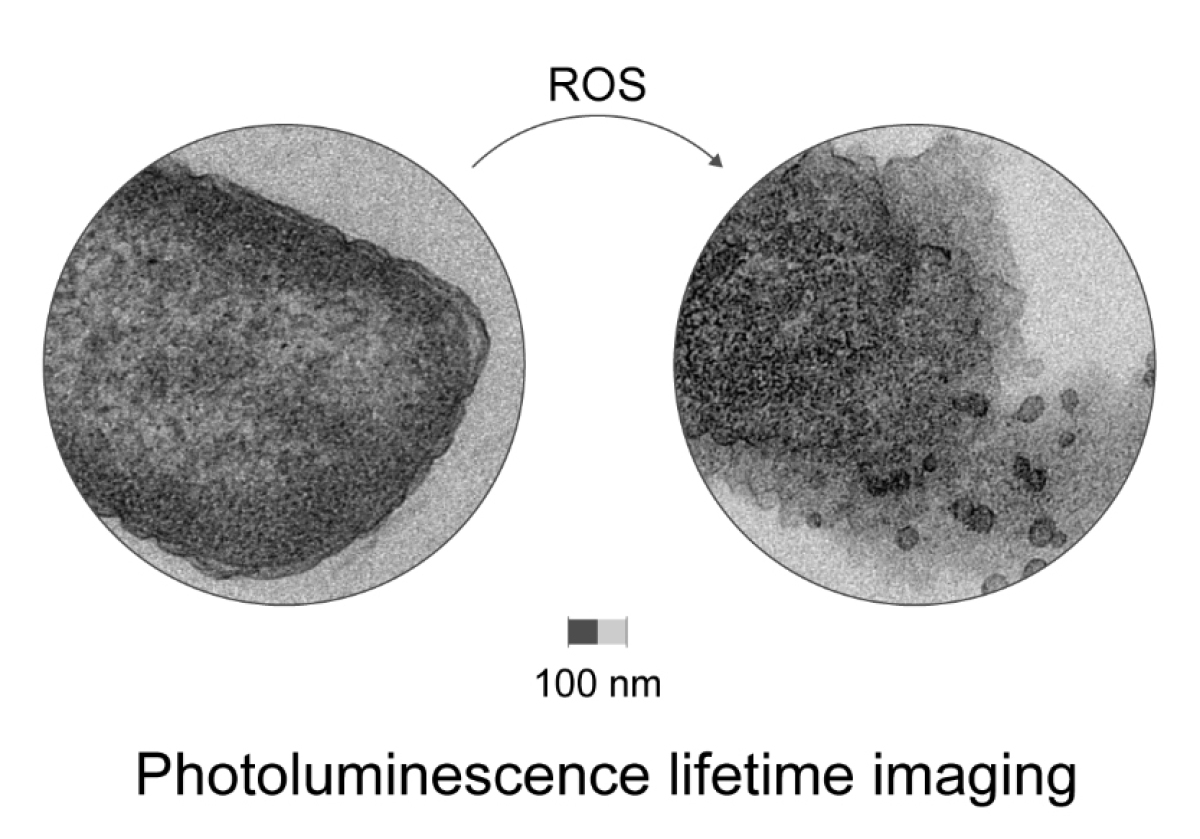
Neue Methoden im Kampf gegen Bakterien sind gefragter denn je. Ein vielversprechender Weg führt über Nanomaterialien, die unter Lichteinfluss Sauerstoffradikale freisetzen und Mikroorganismen gezielt abtöten. Eine Herausforderung bei der Entwicklung solcher Materialien besteht jedoch darin, die auf molekularer Ebene beobachteten Eigenschaften auf das gesamte Material zu übertragen. Mehr Licht ins Dunkel bringt nun eine Studie der Universität Duisburg-Essen in der Fachzeitschrift Angewandte Chemie*: Das Team um Juniorprofessorin Dr. Anzhela Galstyan machte erstmals die aktiven Zentren im Fluoreszenzlebensdauer-Mikroskop sichtbar und stellt so Zusammenhänge zwischen Aktivität und Materialeigenschaften her.
Chemische Verschmutzung bekämpfen Gewässerreinigung mit Algen
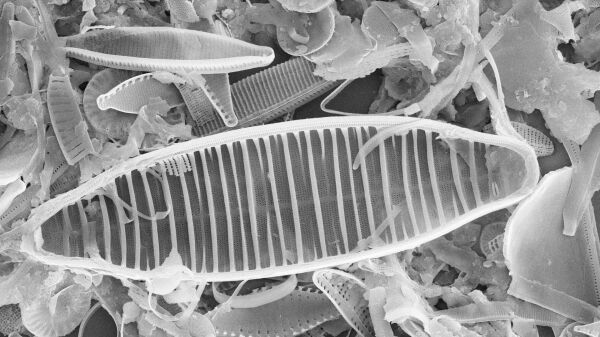
Europas Gewässer sind in schlechtem Zustand: Über die Hälfte von ihnen ist chemisch stark belastet. Kein Wunder – täglich werden in Europa in Industrie und Landwirtschaft bis zu 70.000 verschiedene Chemikalien eingesetzt. Forschende der Universität Duisburg-Essen haben jetzt eine neue Methode entwickelt, um verschmutzte Gewässer zu reinigen. Ihre aktuelle Studie zeigt*, dass fossile Überreste von Kieselalgen (Diatomeen) Schadstoffe effizient aus dem Wasser entfernen können, nachdem sie chemisch modifiziert wurden.
Pint of Science in Duisburg und Essen Daten, Drinks und Dialoge
[15.05.2025] Physik, Biotechnologie, Bildung oder künstliche Intelligenz – alles Themen für die Kneipe? Unbedingt, beim Festival Pint of Science vom 19. bis 21. Mai. Zahlreiche Forschende der Universität Duisburg-Essen sprechen bei Bier, Saftschorle und Erdnüssen über ihre Arbeit. Verständlich, frei von Fachchinesisch, offen für alle.
Das Pint of Science ist eine internationale Veranstaltungsreihe, die Wissenschaft dorthin bringt, wo Menschen reden, lachen und trinken: in die Kneipe.
Vom 19. bis 21. Mai ist das Format wieder in Deutschland zu Gast – darunter auch in Duisburg und Essen. Renommierte Forschende aus unterschiedlichen Disziplinen sprechen dort über ihre Projekte. Viele von ihnen arbeiten an der Universität Duisburg-Essen (UDE). Sie erklären, was sie bewegt, woran sie forschen – und das ganz ohne Fachvokabular. Wer zuhören will, braucht keinerlei Vorkenntnisse, nur Neugier.
Research Focus Areas
Novel photosensitizers
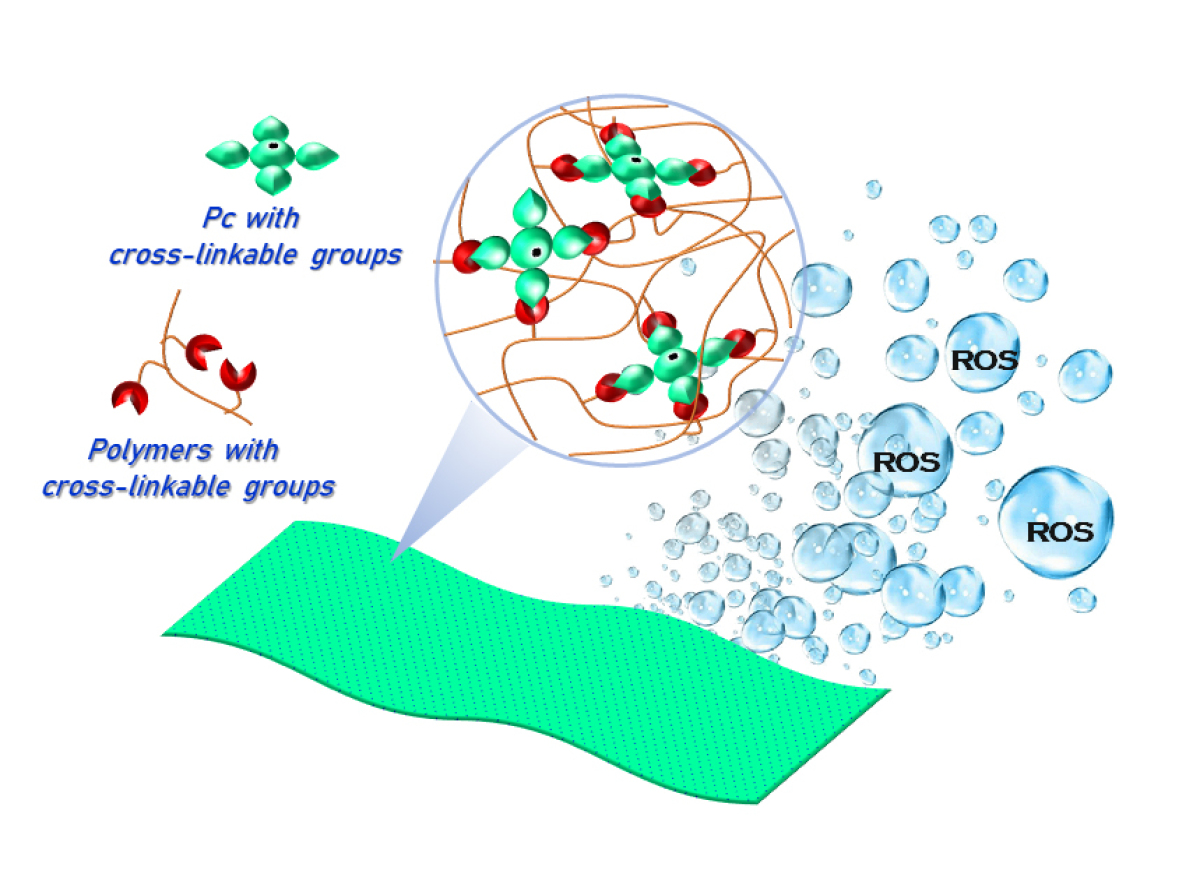
We design and develop novel photosensitizers with tailored photophysical properties, enabling breakthroughs in antimicrobial and anticancer photodynamic therapy. We study and engineer self-assembled photosensitizer-based systems with specific properties, harnessing the principles of molecular organization.
Polymer Synthesis
Our work in polymer chemistry involves synthesizing multiblock polymers with diverse applications, from nano delivery systems to smart materials.
Nanofabrication
Leveraging cutting-edge techniques, such as electrospinning we construct nanoscale materials and devices with precision, opening avenues for innovation in sustainable water disinfection.
Advanced Photophysical and Spectroscopic Studies
At our lab, we specialize in comprehensive photophysical studies, utilizing state-of-the-art techniques to explore the properties and behavior of molecules under light excitation. Our expertise includes Steady-State and Time-Resolved Fluorescence Spectroscopy to investigate fluorescence emission to characterize molecular interactions, fluorescence and singlet oxygen quantum yields, and environment-dependent properties. With our advanced methodologies, we deliver detailed insights into molecular behavior, enabling applications in material science, biology, and photodynamic therapy.
Photobiology
We study how light interacts with biological systems to advance applications in phototherapy, medical imaging, and sustainable energy. By integrating nanotechnology with medicine, we are developing innovative treatments and diagnostic tools for a wide range of conditions, from bacterial infections to cancer.
Imaging: Our lab employs cutting-edge confocal fluorescence and lifetime imaging (FLIM) to unravel the complexities of photodynamic therapy mechanisms and material properties. These techniques allow us to:
- Visualize PDT Action: By mapping fluorescence signals and lifetimes at a cellular level, we track the localization and activity of photosensitizers, revealing their therapeutic efficacy and interactions within biological environments.
- Analyze Material Properties: FLIM provides insights into the photophysical behavior, energy transfer dynamics, and microenvironmental influences on advanced materials, aiding in the development of innovative solutions for biomedical and photonic applications.
Through these powerful imaging tools, we deliver high-resolution data to deepen the understanding of PDT processes and optimize material performance.