Beirat/Advisory Board
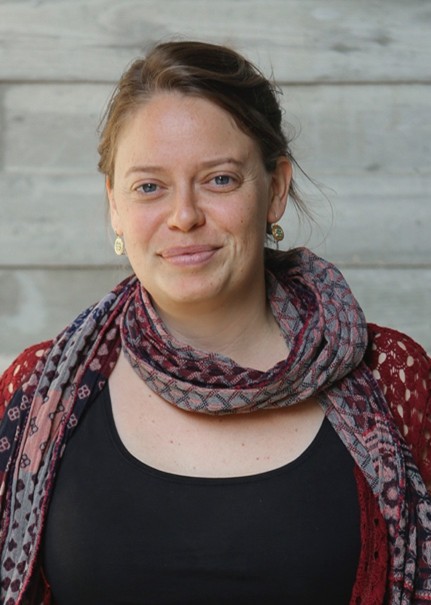
Lisa Schulz-Yatsiv wurde in Deutschland geboren und lebt seit 2011 in Israel. Sie verfügt über umfangreiche Erfahrung in der Holocaust Education sowie in der politisch-humanistischen Bildungsarbeit mit unterschiedlichen Altersgruppen und Zielgruppen. Lisa hat einen Bachelorabschluss in Geschichte von der Universität Wien und absolvierte ihren Master in Holocaust Studies an der Universität Haifa. Seit 2015 ist Lisa im Center for Humanistic Education am Ghetto Fighters’ House auf die Leitung internationaler Gruppen auf Englisch und Deutsch spezialisiert. Zudem arbeitet sie als Bildungsreferentin für hebräischsprachige Gruppen, darunter Schulklassen, Lehrkräfte und vielfältige weitere Zielgruppen und moderiert multikulturelle Gruppendialogprozesse. Seit 2022 ist sie außerdem an der Universität Haifa als Koordinatorin für Sonderprogramme, Alumniarbeit und Praktika im Rahmen des internationalen MA-Programms in Holocaust Studies am Weiss-Livnat Center tätig. Als ausgebildete Design-Thinking-Moderatorin (seit 2023) begleitet Lisa kreative Prozesse für Gruppen, die neue Initiativen in der Holocaust Education und Erinnerungskultur entwickeln.
Lisa Schulz-Yatsiv was born in Germany and has been living in Israel since 2011. She brings extensive experience in Holocaust education, civic and humanistic education across diverse age groups and audiences. Lisa holds a Bachelor's degree in history from the University of Vienna and completed a Master's degree in Holocaust Studies at the University of Haifa. Since joining the Center for Humanistic Education at the Ghetto Fighters' House in 2015, Lisa has specialized in leading international groups in English and German, while also working as an educator for Hebrew speakers, including high school students, teachers and various other groups as well as facilitating multicultural group dialogue processes. Since 2022, she is also working at the University of Haifa as special program, alumni, and internship coordinator for the Weiss-Livnat International MA Program in Holocaust Studies. As a trained design thinking facilitator since 2023, Lisa has guided creative processes for various groups developing new initiatives in Holocaust education and commemoration.
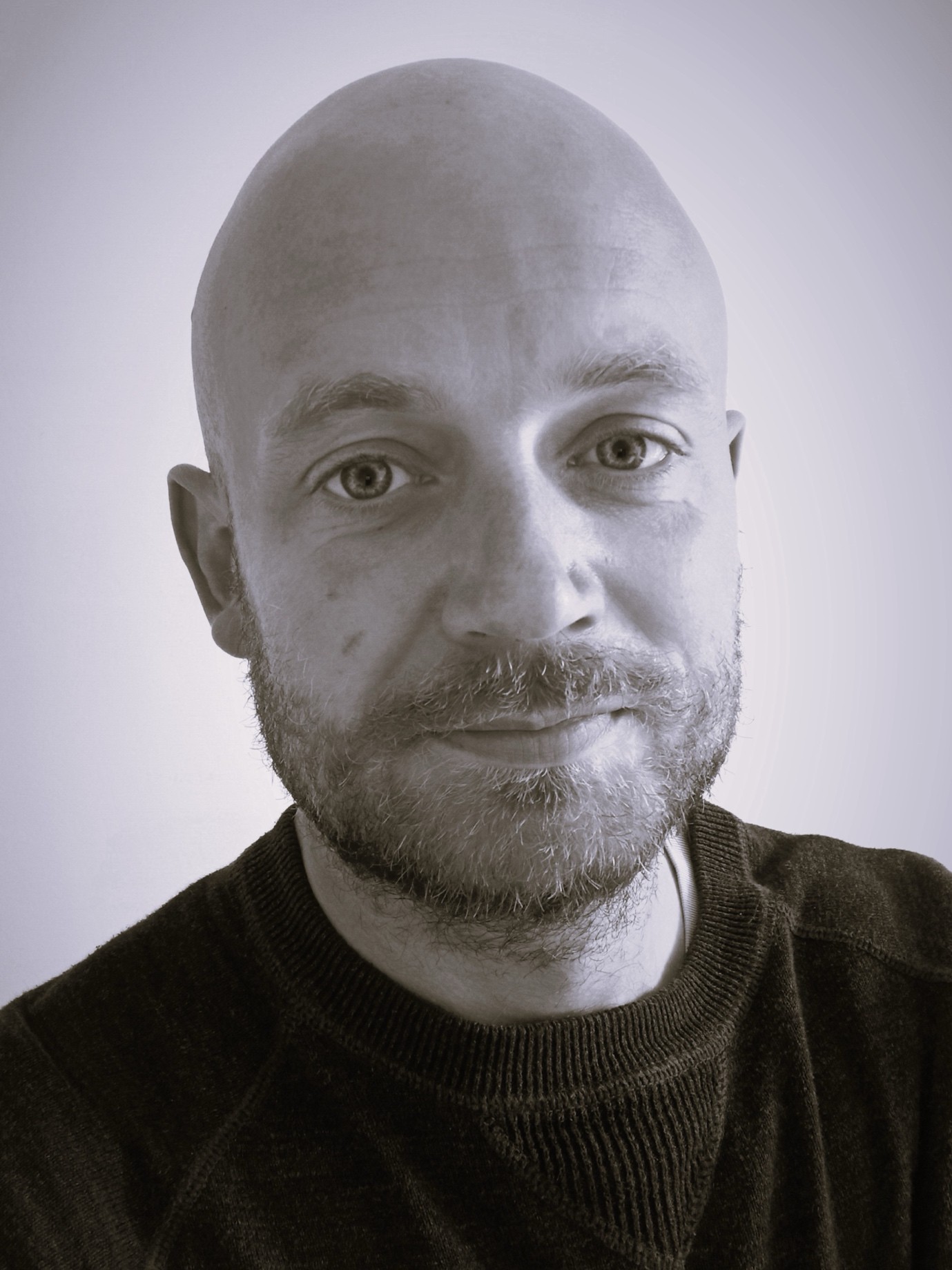
Matthew Bolton ist UKRI/MSCA-Postdoktorand an der School of Law der Queen Mary University of London. Seine Forschung bewegt sich an der Schnittstelle von Rechtswissenschaft, Begriffsgeschichte und Kritischer Theorie – mit einem besonderen Schwerpunkt auf kritischen Theorien des Antisemitismus. Zuvor war er als Wissenschaftler am Zentrum für Antisemitismusforschung der TU Berlin tätig, wo er sich mit Form und Inhalt antisemitischer Online-Kommunikation befasste. Seine Arbeiten wurden unter anderem in Philosophy and Social Criticism, British Politics, Political Quarterly, Journal of Contemporary Antisemitism und K Revue veröffentlicht. Er ist Mitautor des Buches Corbynism: A Critical Approach (Emerald, 2018) und arbeitet derzeit an einer Monografie über Kritische Theorie und Antisemitismus in der Gegenwart.
Matthew Bolton is a UKRI/MSCA Post-doctoral Research Fellow at the School of Law, Queen Mary University London. His research is situated at the intersection of law, conceptual history and critical theory, with a particular focus on critical theories of antisemitism. He was previously a researcher at the Zentrum for Antisemitismusforschung, TU Berlin, analysing the form and content of antisemitism online. His work has been published in journals including Philosophy and Social Criticism, British Politics, Political Quarterly, Journal of Contemporary Antisemitism and K Revue. He is the co-author of Corbynism: A Critical Approach (Emerald, 2018) and is currently working on a book about critical theory and antisemitism today.
Kai Schubert studierte Politikwissenschaft, Jüdische Studien und Interdisziplinäre Antisemitismusforschung. Als politischer Bildner und Bildungsforscher setzt er sich vor allem mit dem israelisch-palästinensischen Konflikt sowie aktuellen, insbesondere israelbezogenen Formen des Antisemitismus auseinander. Seine Dissertation hierzu reichte er im Sommer 2025 an der Justus-Liebig-Universität Gießen zur Begutachtung ein. Derzeit ist er wissenschaftlicher Mitarbeiter am Forschungsinstitut Öffentliche und Private Sicherheit der Hochschule für Wirtschaft und Recht in Berlin. Jüngste Veröffentlichung: Israelbezogener Antisemitismus, der Nahostkonflikt und Bildung. Analysen und didaktische Impulse (hg. mit Elizaveta Firsova-Eckert), Budrich 2024.
Kai Schubert studied Political Science, Jewish Studies, and Interdisciplinary Antisemitism Research. As a civic educator and education researcher, his work focuses primarily on the Israeli-Palestinian conflict and contemporary forms of antisemitism, particularly those related to Israel. He submitted his dissertation on this topic for review in the summer of 2025 at Justus Liebig University Giessen. He is currently a research associate at the Research Institute for Public and Private Security at the Berlin School of Economics and Law. Recent publication: Antisemitism Related to Israel, the Middle East Conflict, and Education: Analyses and Didactic Approaches (ed. with Elizaveta Firsova-Eckert), Budrich 2024.

Dora von Soosten hat Evangelische Theologie und Germanistik an der Bergischen Universität Wuppertal studiert und arbeitet als Lehrerin für Evangelische Religion und Deutsch an der Gesamtschule Nordstadt in Neuss. Neben ihrer Lehrtätigkeit engagiert sie sich besonders im Bereich der schulischen Erinnerungskultur, mit einem Schwerpunkt auf der Arbeit gegen Antisemitismus, unter anderem durch die Mitorganisation von Gedenkstättenfahrten. Im Team hat sie das Projekt „Hörbar. Stimmen zu Nahost“ initiiert, das 2025 den fair@school-Preis des Cornelsen Verlags und der Antidiskriminierungsstelle des Bundes erhielt. Die multimediale Schulausstellung versammelt Interviews mit Menschen, die aus biografischen, wissenschaftlichen oder beruflichen Perspektiven tiefgehende Einblicke in die Vielschichtigkeit des Konflikts geben. Ziel ist es, Räume für Dialog, Empathie und Ambiguitätstoleranz zu eröffnen. Aus der Hörbar entwickelte sich in Kooperation mit der Initiative Gesellschaft im Wandel der „Hörbus Nahost“, der in seiner Pilotphase vom 23. Juni bis 4. Juli 2025 an Schulen in Nordrhein-Westfalen erprobt wurde. Dieses mobile Format trägt die Stimmen der Ausstellung in den öffentlichen Raum und fördert Lernprozesse in Schulen sowie in zivilgesellschaftlichen Kontexten.
Dora von Soosten studied Protestant Theology and German Studies at the University of Wuppertal and works as a teacher of Protestant Religion and German at the Nordstadt Comprehensive School (Gesamtschule) in Neuss. In addition to her teaching activities, she is particularly engaged in the field of school-based remembrance culture, with a focus on work against antisemitism, including the co-organization of visits to memorial sites. As part of a team, she initiated the project “Hörbar. Stimmen zu Nahost” (“Audible. Voices on the Middle East”), which in 2025 received the fair@school Award from the Cornelsen publishing house and the Federal Anti-Discrimination Agency. The multimedia school exhibition brings together interviews with people who, from biographical, scholarly, or professional perspectives, offer in-depth insights into the complexity of the conflict. Its aim is to create spaces for dialogue, empathy, and tolerance of ambiguity. From Hörbar, and in cooperation with the initiative Gesellschaft im Wandel, the “Hörbus Nahost” (“Middle East Audio Bus”) was developed. In its pilot phase, from June 23 to July 4, 2025, it was tested at schools in North Rhine-Westphalia. This mobile format brings the voices of the exhibition into public space and promotes learning processes both in schools and in civil society contexts.