
What it is about
Vision and Mission: Processes, materials, economic & societal challenges
The world is changing. The energy transition poses major challenges for all areas of society. Universities play an important role in driving forward future-oriented developments and training the next generation of experts. The buzzword “hydrogen” is often used to describe this transition. In fact, however, it involves a whole chain of processes, materials, economic and social challenges – many of which are based on the core expertise of the UDE.
Due to the Ruhr region's tradition in the fields of “materials” and “energy,” the UDE – together with a wide network of partners – can make important contributions.
Our members are open to cooperation with industry partners. Feel free to contact us!
Who we are
Hydrogen research is a broad field, which is why various disciplines work together to cover all areas. Our members of the Faculty of Engineering collaborate with researchers from the faculties of Chemistry, Physics, and Economics. Close partnerships are also maintained with external research institutions, such as the Center for Fuel Cell Technology (ZBT), the Institut für Umwelt & Energie, Technik und Analytik e.V. (IUTA) and the Gas- und Wärme-Institut Essen e.V. (GWI).
Key topics in Hydrogen Research
Storage, transport and logistics
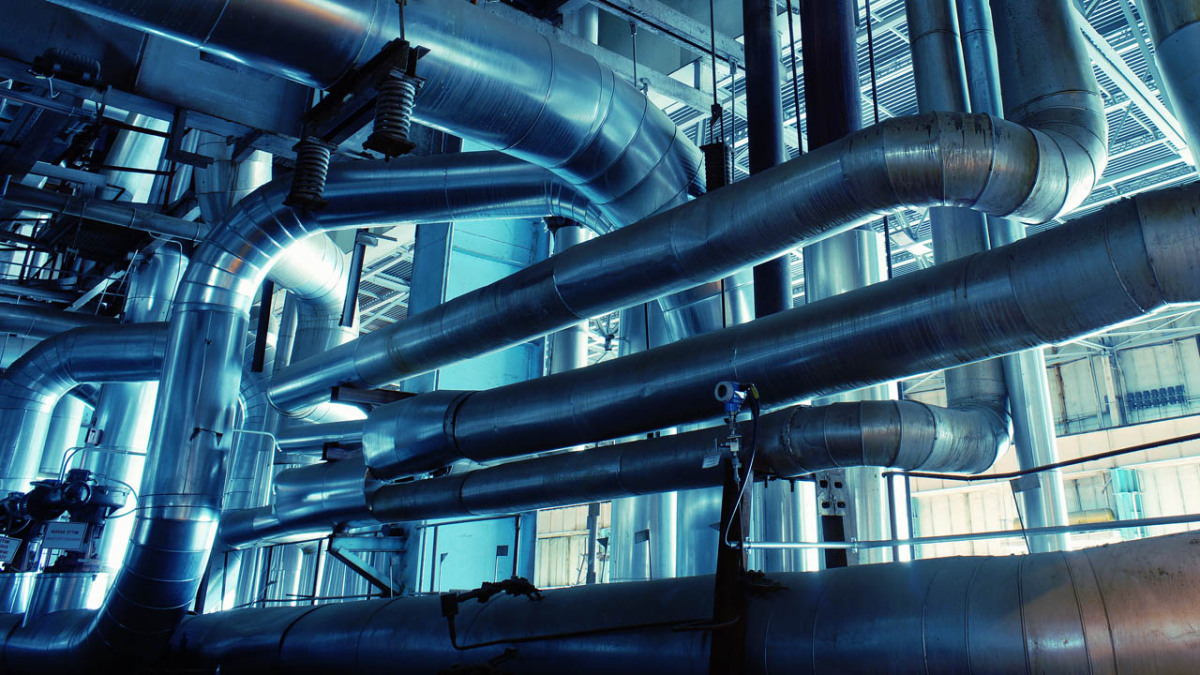
The storage of electrical energy from renewable sources in the form of hydrogen is a key factor in the energy transition and achieving climate neutrality. However, developing efficient and safe solutions for the storage and transport of gaseous and liquid hydrogen poses a major technological challenge. At the University of Duisburg-Essen, solutions are being developed to store and transport hydrogen safely, efficiently, and economically.
One focus is on the development of new materials for storage tanks, pipelines, and sealing systems that are resistant to hydrogen embrittlement and corrosion. At the same time, turbomachinery and compressors are being optimized for use in hydrogen networks and storage facilities. This is complemented by the development of transport and infrastructure solutions that enable the safe and efficient transport of gaseous and liquid hydrogen.
Another focus is on integrating hydrogen into mobility. In addition to the switch to low-emission drives, the automation of operating processes and the use of intelligent traffic management systems are coming into focus. These contribute to reducing energy consumption and emissions.
In addition, concepts are being developed to integrate hydrogen technologies into existing energy systems and production processes. Scenarios and models are used to analyze possible developments in order to support strategic decisions and prepare for the long-term integration of hydrogen into the economy and society.

Sensors, safety and system management
Hydrogen will play an increasingly important role in thermal processes in the future and will increasingly replace fossil fuels. This brings new challenges for the understanding, design, and safe operation of plants. To ensure safe operation, modern measurement techniques, simulations, and sensor solutions are being developed. The aim is to monitor processes in real time, detect deviations at an early stage, and adjust systems accordingly. High-resolution simulation tools, system models, and optical imaging measurement methods are used for this purpose—from molecular detail to industrial scale.
Another focus is on the development of intelligent control and monitoring systems. AI-supported algorithms, embedded systems, and special hardware solutions enable precise control, even under dynamic conditions. Applications range from hybrid drives with hydrogen-based fuel cells to tank systems and safety-critical components. The combination of measurement technology, modeling, and system management ensures the safe and reliable operation of hydrogen technologies.

Materials and energy conversion systems
The development of new materials is crucial for high-performance hydrogen technologies. The focus is on innovative functional materials such as electrocatalysts, high-entropy alloys, 2D materials, and membranes, which are specifically optimized for use in electrolysers and fuel cells.
Modern methods are used to develop these materials quickly and efficiently: quantum mechanical calculations provide predictions about material properties, while nanoparticle synthesis, plasma surface modifications, and additive manufacturing (3D printing) are used to produce customized structures.
Through testing in real-world systems—for example, in full cells at the Center for Fuel Cell Technology (ZBT)—new materials are quickly transferred from the laboratory to industrial use. This close exchange between basic research, system development, and application accelerates the innovation process and contributes to rapid market readiness.