
Methods
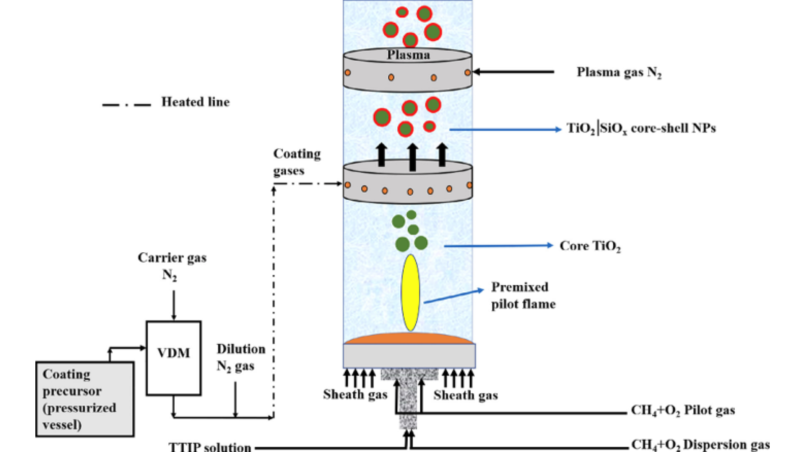
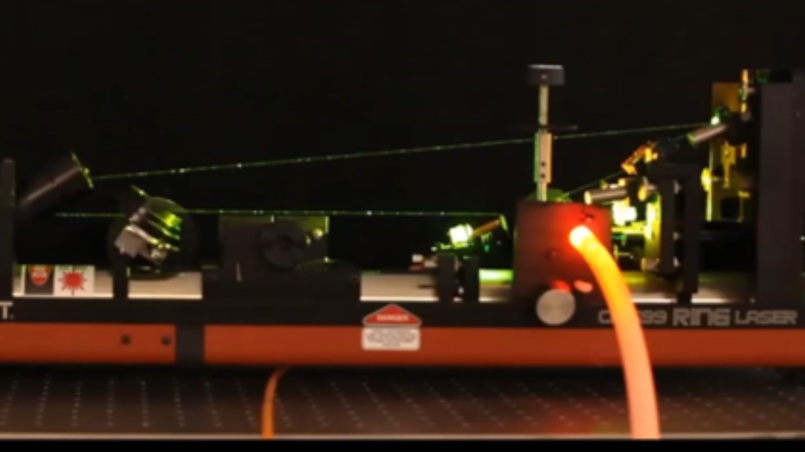
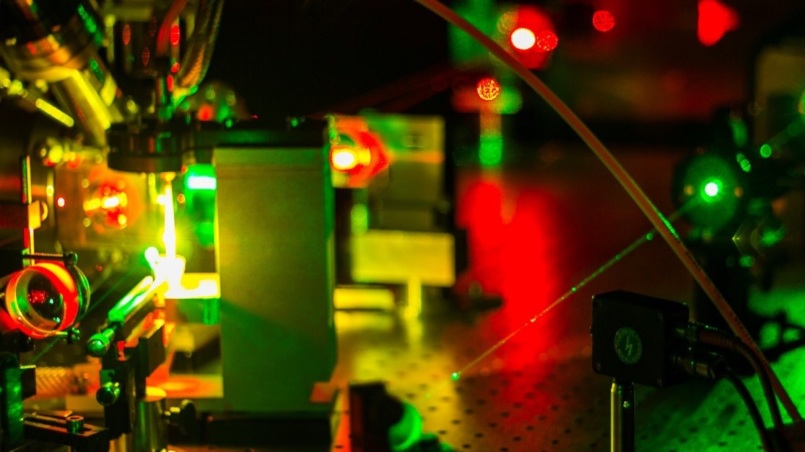
Research at EMPI – Reactive Fluids relies on a broad spectrum of modern experimental methods that are specifically developed and used to investigate reactive processes in the gas phase, flames, and particle formation systems. A particular focus is on laser-based optical measurement techniques, which enable non-contact diagnostics with high temporal and spatial resolution under real process conditions—ranging from laboratory flames to industrial combustion systems.
Spectroscopic methods such as tunable diode laser absorption spectroscopy (TDLAS), laser-induced fluorescence (LIF), and fiber-optic sensors are used for the quantitative determination of temperature and concentration fields. Flow fields are visualized using Particle Image Velocimetry (PIV). Nanoparticle research benefits from in-line analytical methods as well as thermophoretic TEM sampling for structural insights at the atomic level. Highly sensitive techniques such as intracavitary absorption spectroscopy (ICAS) and high-repetition-rate time-of-flight mass spectrometry (HRR-TOF-MS) round out the portfolio for kinetic studies of reactive intermediates. The close integration of these methods with EMPI’s experimental facilities enables comprehensive characterization of reactive systems—from elementary reactions to technical processes.