
Projekte Biomechanik- Projects Biomechanics

Computational remodeling in combined multibody-finite element simulations of biological structures
Numerical simulations are a standard tool to model and analyze the mechanics of biological systems. In a biomechanical context, these techniques are typically classified into multibody (MB) simulations, analyzing (jointed) rigid systems, or finite element (FE) simulations, targeting deformable structures to study local stress and strain phenomena. Combined MB-FE simulations use the strengths of both methods, as they provide a comprehensive view of the underlying biological system, considering both the overall kinematics and kinetics, as well as the inner state of the model tissue response. This is especially necessary to simulate biological remodeling, e.g. to study growth or degeneration processes.
However, current approaches have several drawbacks: (1) they are methodologically diverse; (2) they often require licensed software in the process; (3) models are often built from scratch partly or entirely; and (4) simulation pathways are not generalizable. This project addresses these drawbacks in two ways: (1) we extend a current open-source software tool for combined MB-FE simulation, Artisynth, by a remodeling framework including different algorithms to provide a comprehensive "all in one" solution for other researchers that is highly generalizable; (2) we incorporate validated and established multibody models of the OpenSim platform as foundation for MB-FE simulations into our simulation pathway to accelerate and generalize model creation.
In the end, combining both approaches leads to a reproducible modelling environment in which established multibody foundations are extended by custom deformable components to study biological remodeling processes all in one.

SmartPODS: Das intelligente, tragbare Decision-Support-System zur automatisierten, klinisch direkt interpretierbaren Bewertung von orthopädischen Patienten
Das Projekt SmartPODS verfolgt das Ziel, ein mobiles und kostengünstiges Messsystem als Entscheidungshilfe für die Orthopädie zu entwickeln. Durch die verknüpfung diverser tragbarer Sensorik und KI-basierten Algorithmen, werden klinisch relevante Parameter der Ganganalyse und Funktionsaufgaben erfasst. Darauf aufbauend werden Handlungs- und Therapieempfehlungen generiert. Während in der initialen Phase der Fokus auf der Indikationsstellung Knieendoprothetik bei Kniearthrose liegt, ist ein modulares System vorgesehen, um zukünftig ein breites Spektrum orthopädischer Krankheitsbilder abzubilden.
Titel: SmartPODS - Smart Portable Orthopaedic Decision Support
Laufzeit: 01.01.2026 - 31.12.2028
Projektpartner:
- Universität Duisburg-Essen, Lehrstuhl für Mechanik und Robotik, Duisburg
- Universität Duisburg-Essen, Lehrstuhl für Orthopädie und Unfallchirurgie
- imess GmbH
- Velamed GmbH
- TissueFlow GmbH
Förderkennzeichen: 
ZIM-Projekt “AnLauf”
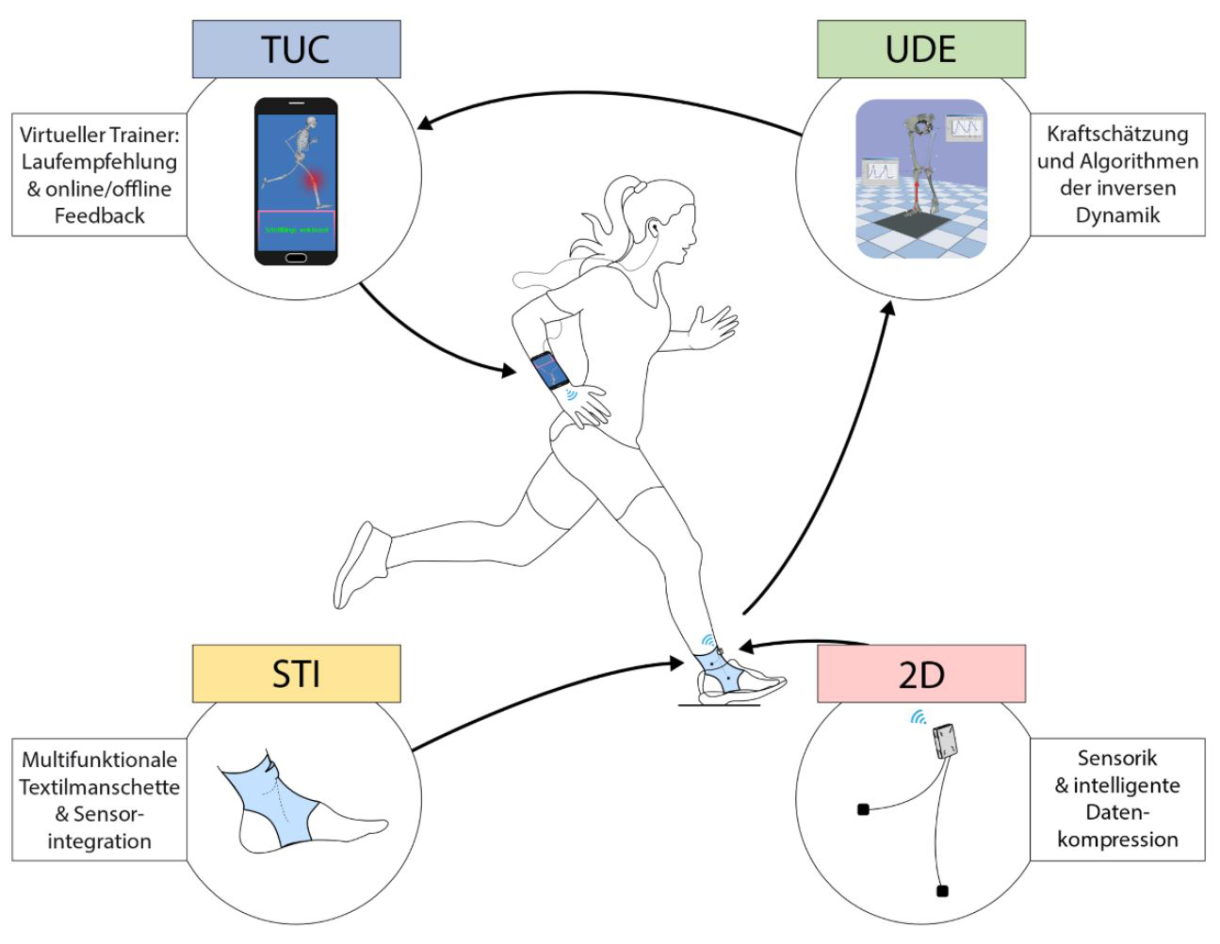
Das vom ZIM (Zentrales Innovationsprogramm Mittelstand) geförderte Projekt „AnLauf - Analyse von Gelenkbelastungen im Laufsport mit Inverser Dynamik“ stellt eine Zusammenarbeit zwischen den Unternehmen 2D Debus & Diebold Meßsysteme GmbH und Starringer Bekleidung GmbH sowie den Forschungseinrichtungen der Professur für Bewegungswissenschaft der Technischen Universität Chemnitz und dem Lehrstuhl für Mechanik und Robotik der Universität Duisburg-Essen dar. Im Zeitraum von April 2019 bis Juli 2021 soll für den Laufsport ein Algorithmus entwickelt werden, der mithilfe der Daten zweier IMU-Sensoren, die während des Laufens mit einer Sensormanschette am Sprunggelenk des Anwenders befestigt sind, Gelenkbelastungen der unteren Extremitäten ermittelt und bewertet. Daraus resultierend erhält der Anwender über eine App relevante Informationen zur Verbesserung seines Laufstils.
Analysis of mechanical behavior of the end-to-end stapled colorectal anastomosis to develop optimal stapler configurations
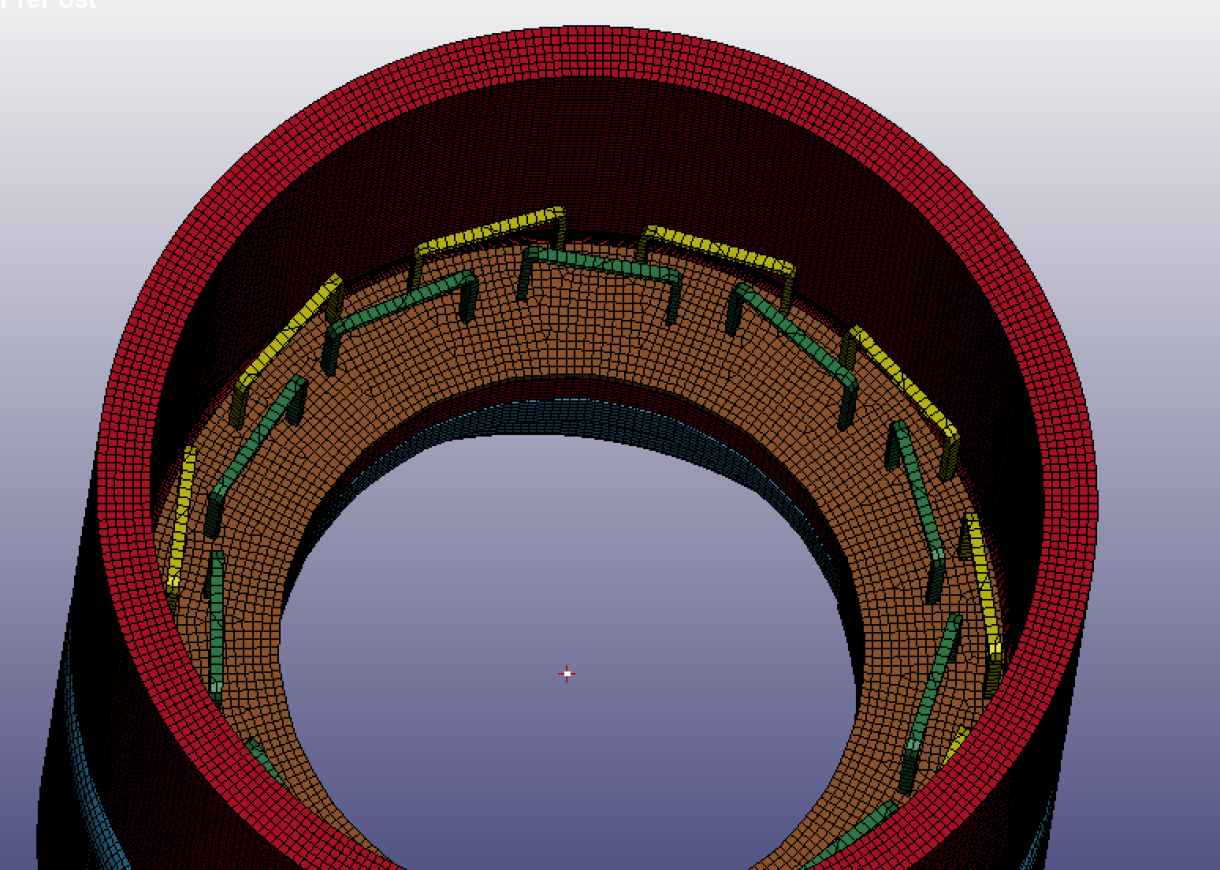
A large number of colon operations with a subsequent anastomosis are performed every year. In a colorectal anastomosis, healthy bowel sections are connected to each other, for example with the help of a stapler. To reduce the risk of anastomotic insufficiency, which is often associated with fatal consequences, a stable anastomosis is important. This depends on the reasonable approximation of the tissue layers during an anastomosis, achieved by the reasonable level of compression and proper staple closure, without causing ischemia or disruption of the tissue layers. In addition, a low number of staples leads to a lower risk of anastomotic insufficiency.
In this project, the optimal configuration of the surgical stapling instrument will be determined. To achieve this, a new 3D anisotropic constitutive model with damage for colonic tissue will be formulated and implemented in the commercial code LS-DYNA with the Smoothed Particle Galerkin (SPG) method. The mechanical properties of the colon wall, which is characterized by strongly nonlinear viscoelasticity and anisotropy will be investigated using ex vivo planar biaxial tests, which are performed on porcine colorectal tissue. The material properties for colonic tissues from these experimental results will be characterized.
The computational model that can simulate the whole stapling process, including compression of two tissue layers between the anvil and the cartridge of the stapler, the staple penetration through tissue layers and formation will be created. This model will evaluate the mechanical response of the stapled colorectal anastomosis under loading from biological processes. Anastomotic dehiscence risk, possible leakage mechanisms and paths as well as tissue response and injure will be studied.
Then, the models will be validated with the inclusion of biological processes.
RehaToGo - Ein mobiles Messsystem zur Rückkopplung von Alltagsbewegungen für optimiertestationäre Therapieentscheidungen bei gangmotorischen Störungen
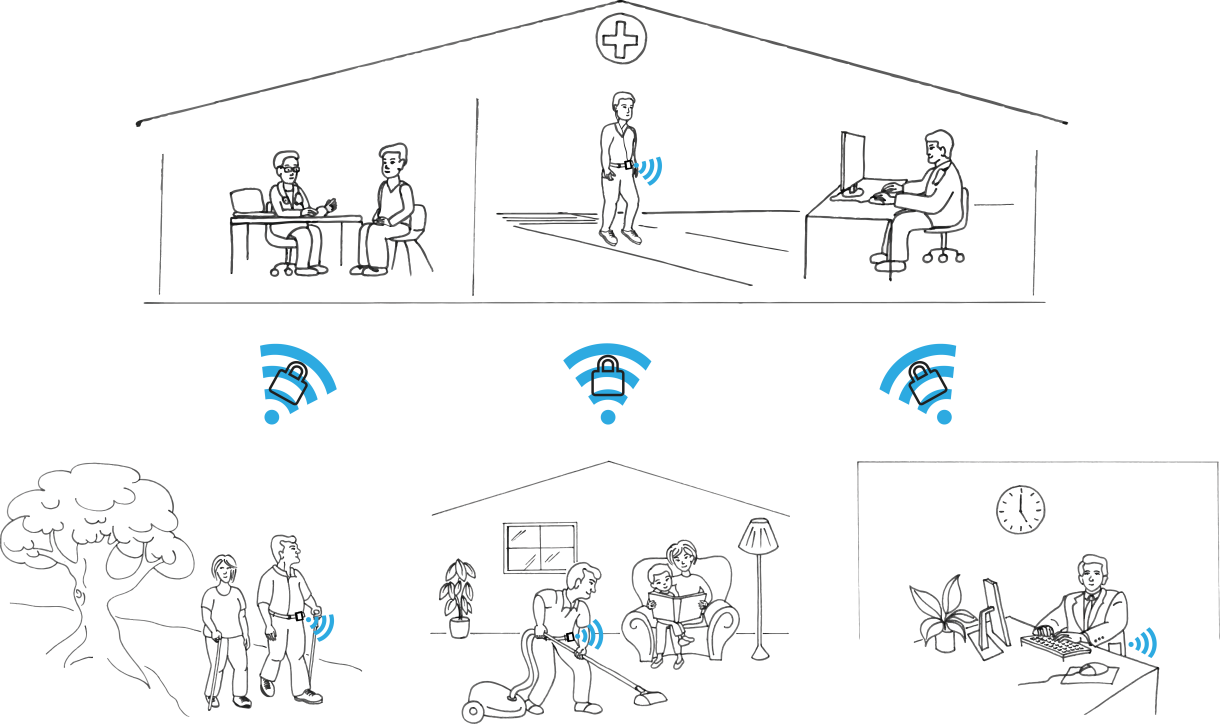
Ziel des Projektes ist es, die qualitative und quantitative Beurteilung der menschlichen Motorik in der Medizin zu ermöglichen. Dies ist notwendig, um eventuell vorhandene Pathologien zu erkennen, passende Hilfsmittel auszuwählen und eine effiziente und zielgerichtete Rehabilitation zu erreichen. In führenden Behandlungszentren wird dazu die Ganganalyse verwendet. Da die Kosten und der Raumbedarf für ein Ganglabor sehr hoch sind, ist eine solche Behandlung außerhalb dieser Behandlungszentren meist nicht möglich. Verlässt der Patient das Zentrum wird er für den Behandler so quasi "unsichtbar", obwohl das volle Potential der Behandlung und Rehabilitation noch nicht ausgeschöpft ist. Mit RehaToGo soll die Behandlung auch im häuslichen Umfeld forgeführt werden können. Dazu werden die Patienten mit einer neuen Technologie ausgestattet, die auf RFID (Radio Frequency Identification) -"Tags" beruht. Diese "Tags" werden in die Alltagskleidung integriert. Mit Hilfe der von ihnen aufgezeichneten und verarbeiteten Daten können die Ärzte die Pathologie und den Genesungsverlauf auch aus der Ferne weiter verfolgen und Behandlungsoptimierungen während kurzer stationärer Inverventionen durchführen. Mit diesem neuen Ansatz hat ein größere Kreis von Patienten und Ärzten Zugriff auf eine Technologie, deren kostenintensive Variante bisher nur spezialisierten Zentren offen stand.
Details:
- Projektpartner: ID4us GmbH (Duisburg), Ruhr-Universität Bochum, Universitätsklinikum Essen, Universität Paderborn, Heinrich-Heine-Universität Düsseldorf, Asmblx GmbH & Co. KG (Duisburg), Fraunhofer FHR Bochum, Luttermann GmbH (Essen), Klinik Lindenplatz GmbH (Bad Sassendorf), MediClin Fachklinik Rhein/Ruhr (Essen), Deutsche Arthrose-Hilfe (Saarlouis)
- Laufzeit: 01.10.2019 - 30.09.2022
Mehr Informationen finden Sie unter diesem Link.

RehaBoard
Das Projekt „RehaBoard - Ein Computerassistenz-System für die Behandlungsplanung bei Gangstörungen nach Schlaganfall“ ist einer von neun Gewinnern des Leitmarktwettbewerbs "LifeSciences.NRW 2016"
In dem Projekt RehaBoard werden in einem Konsortium - bestehend aus der ITBB GmbH, der Universität Duisburg-Essen, der MediClin Fachklinik Rhein/Ruhr, der Unikliniken Düsseldorf und Essen sowie der Hochschule für Gesundheit (Bochum) - erstmals neue interdisziplinäre ganzheitliche Behandlungsaspekte für die personalisierte Therapiesteuerung bei Gangstörungen nach Schlaganfall („RehaBoard-E“) entwickelt. Dies geschieht zusammen mit einer computergestützten Assistenzumgebung für die synergistische Behandlungsplanung („RehaBoard-X“) zur Ideenfindung und Objektivierung mittels klinisch maßgeschneiderten Tools wie 3D-Visualisierung und „Was-Wenn“-Simulationen. Durch das Projekt sollen innovative, auf den Patienten zugeschnittene „Multi“-Therapien personalisiert gestaltet und aus den daraus resultierenden Therapieerfolgen die Teilhabe der Patienten am gesellschaftlichen Leben insgesamt deutlich verbessert werden.
Das Projekt hat sich als einer von neun Gewinnern des Leitmarktwettbewerbs "LifeSciences.NRW 2016" gegen 51 eingereichte Verbundanträgen durchgesetzt. Es wird vom Land Nordrhein-Westphalen und der Europäischen Union gefördert und hat eine Laufzeit von drei Jahren, welche am 30.06.2020 endet.
https://www.leitmarktagentur.nrw/aktuelles?cmd=showDetail&id=60
Weitere Informationen finden Sie unter diesem Link.
ReHabX-Stroke: Personalisierte Therapiesteuerung bei Gangstörungen am Beispiel des Schlaganfalls
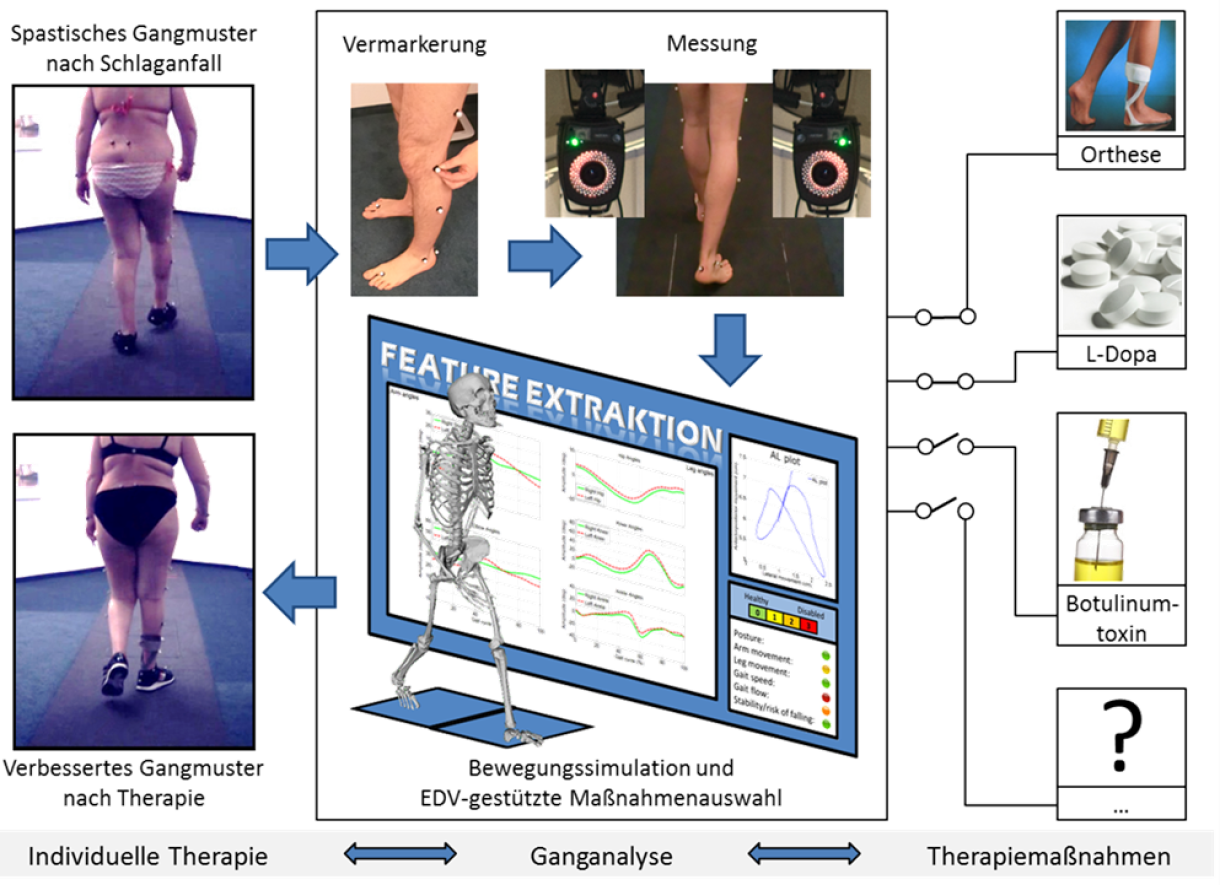
Während bei der Therapieauswahl zur Behandlung von Gangstörungen bisher hauptsächlich semiquantitative Diagnosemethoden von Ärzten und Therapeuten zum Tragen kommen, bieten moderne Methoden der Bewegungssimulation neue Ansätze, die ein virtuelles Erproben von Therapiemaßnahmen und deren Wirkung ohne nachteilige Folgen für die Betroffenen erlauben. Im Vorhaben ReHabX-Stroke wird die Technologie der Bewegungssimulation in der personalisierten Therapiesteuerung am Beispiel von hemiparetischen Schlaganfallpatienten zu einem praxistauglichen Prototyp entwickelt. Ziel ist es, ein Softwaretool zu realisieren, das es Ärzten und Therapeuten ermöglicht, aufgrund quantitativer Kriterien die geeignetsten Maßnahmen für die schnelle individuelle Rehabilitation des Patienten auszuwählen (z.B. Medikamente, Übungen, Hilfsmittel).
Details
- Partner: ITBB GmbH, MediClin Fachklinik Rhein/Ruhr (Prof. Siebler), Universitätsklinikum Düsseldorf (Prof. Hefter)
- Umfang Gesamtprojekt: 220 Personenmonate
- Datenbank: 250 Messungen von Schlaganfallpatienten; 39 altersgematchte Probanden
- Laufzeit: 01.07.12 – 31.03.15
Hinweis: Gefördert aus dem EFRE kofinanzierten operationellen Programm für NRW im Ziel2 "Regionale Wettbewerbsfähigkeit und Beschäftigung" 2007-2013.
Femoroacetabular impingement
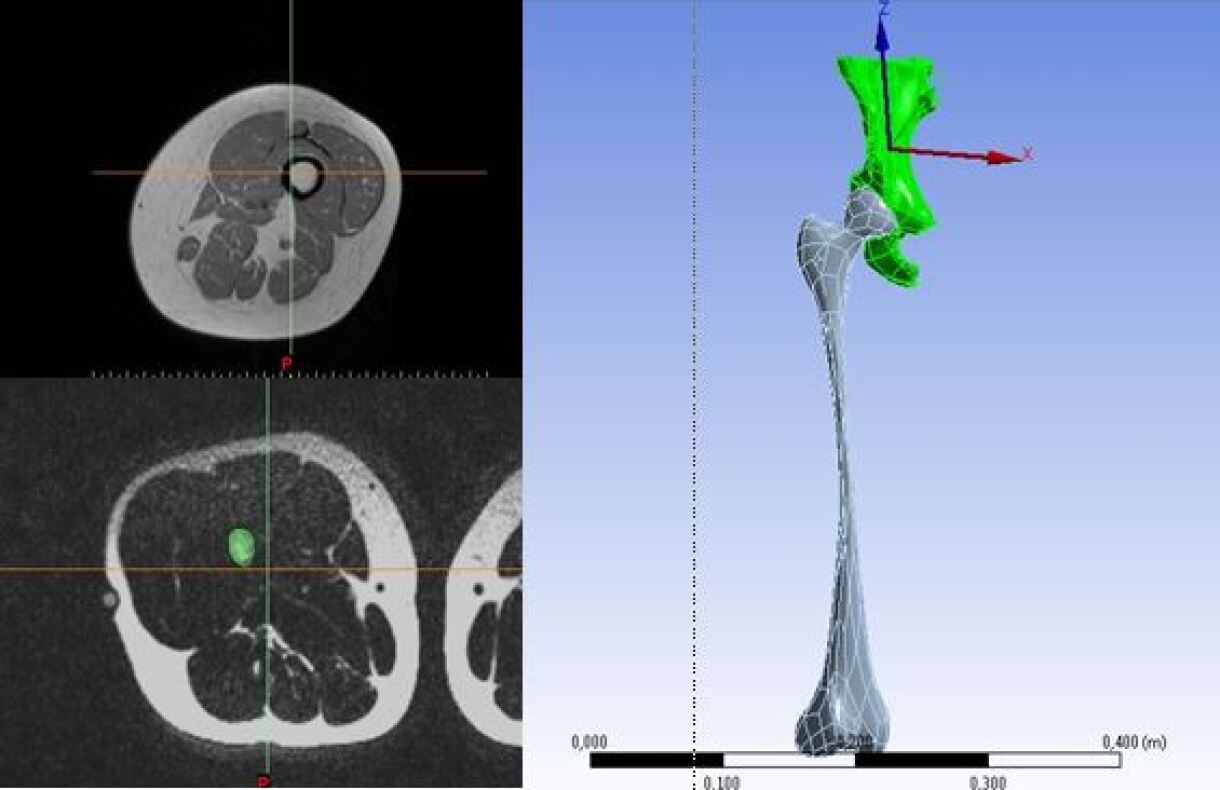
In collaboration with the University Hospital Essen (Orthopaedics, Radilogy), the University of Duisburg-Essen is presenting a new diagnosis system for Impingement of the hip joint. The human hip joint is one of the most important joints in the human body and it is the connection between pelvis and femur, a Ball-and-Socket synovial joint. This joint enjoys a very high range of motion, which allows the femur to circumduct freely through a 360° circle. Because of a limitedness between femoral head and acetabulum FAI can appear. The reason is the abnormal shape of bones of the hip, which do not fit perfectly together. Due to this face the bones rub against each other and cause damage to the joint. Severel symptoms are e.g. pain, reduction of movement and also cartilage lesion. A distinction is drawn between CAM and Pincer Impingement. The CAM Impingement is the femoral cause of FAI and is caused by an aspherical femoral head (ball) where the aspherical porton gets jammed into the acetabulum. The Pincer Impingement is the result of over-coverage of the hip and can lead to osteoarthritis. State of the art is only a semi-quantitative approach for assessment of FAI. There are no studies about arthroscopy of hip joint with FAI yet.
We develop a new diagnosis system which includes first a investigation in the gaitlab as well one in the MRI. The same movements should be performed (internal and external rotation, abduction and adduction and finally an impingement-test). In the MRI both static and dynamic sequences are performed. The MRI-Data must be digitalized with MIMICS®. In a second step the results are correlated to each other, in addition the pain will be recoreded from a special sensor. At least simulation of the movement with ANSYS® is performed.
Development of a new surgical instrument for the minimal-invasive therapy of the femoral head necrosis
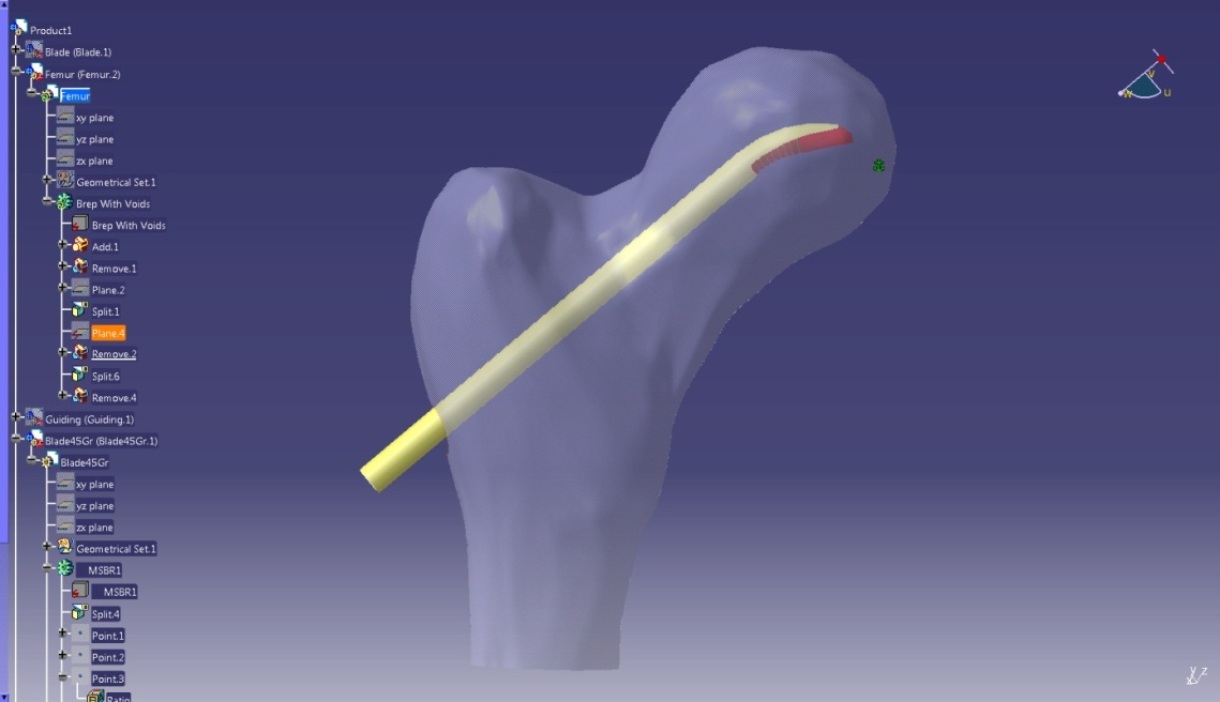
Aseptic necrosis of the femoral head is a serious disease of the femoral head which, if left untreated, leads to destruction of the affected hip joint in predominantly younger patients in the third to fifth decade of life. Because of the expected long remaining lifetime of the young patients and the limited survival time of arthroplasties, hip preserving surgical techniques should be preferred. The most common surgical treatment option is the core decompression, which is performed by drilling into the necrotic lesion to achieve pressure release in the affected tissue and ingrowths of new blood vessels. Because of better results more and more surgeons attempt to remove the necrotic tissue as much as possible on a minimally invasive way. The aim of this project is to develop a new surgical instrument system for the core decompression treatment. With the help of an integrated camera for the online visualization and a flexibly controllable milling or shaving head, the new instrument would allow to completely remove the necrosis lesion without causing any damage to the healthy bone tissue in the neighborhood of the lesion.
In cooperation with: Department of Orthopaedics, University Hospital Essen and EBERLE GmbH & Co. KG, Wurmberg.
Visualisierung und Analyse der Wirbelsäulenbewegung
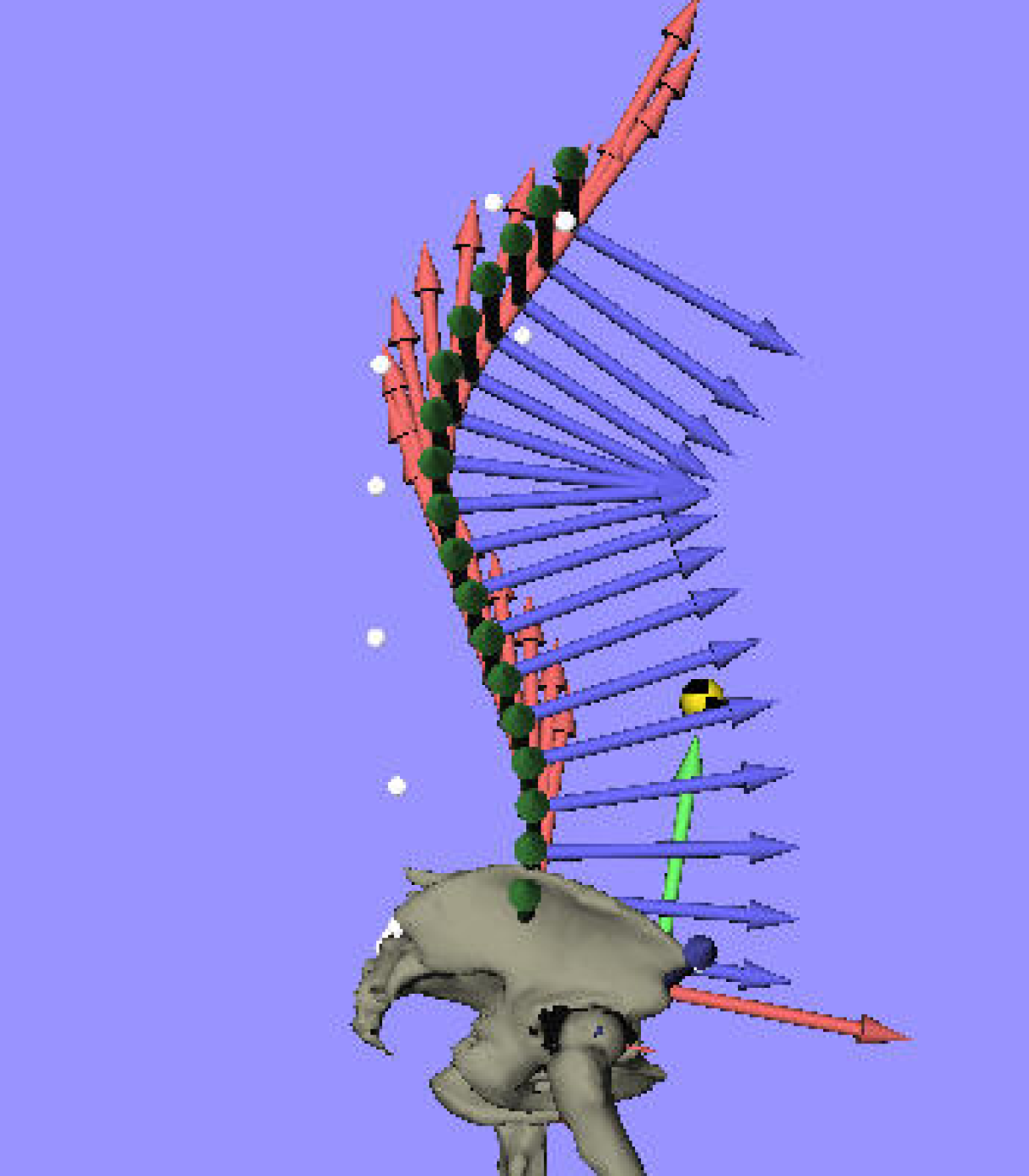
Die Wirbelsäulenbewegung ist an sich ein wichtiges Forschungsgebiet, kann aber auch zur Bewertung der Gangbewegung verwendet werden. In diesem Projekt wird die Wirbelsäulenbewegung mit Motion Capture Systemen aufgenommen und mit Splinekurven modelliert.
Modellierung der Unterarmbewegung
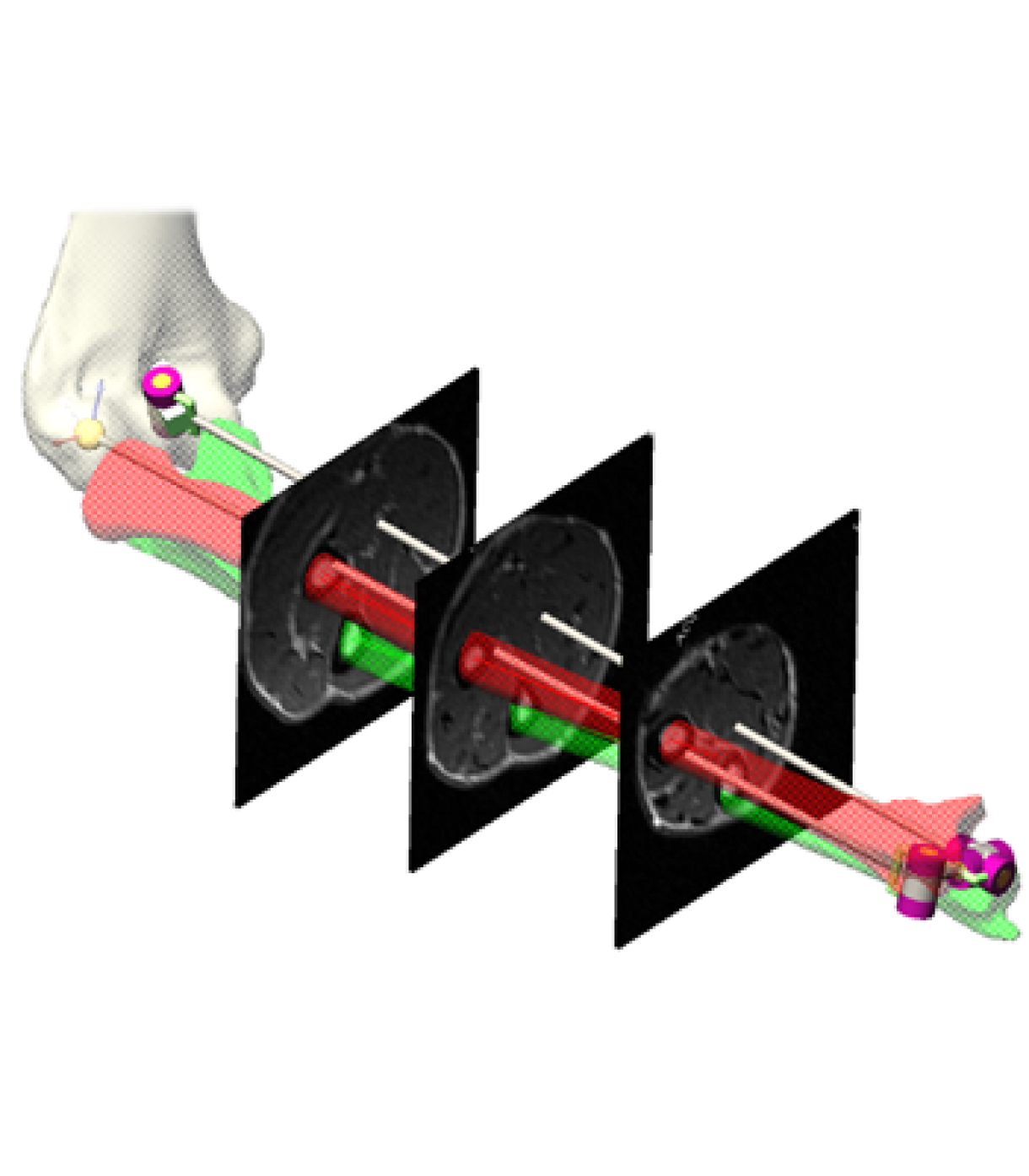
Im Rahmen dieses Projekts wird die Pro- und Supinationsbewegung des Unterarms durch ein elastokinematisches Mehrkörpermodell mit zwei Freiheitsgraden dargestellt. Die Modellparameter des Ersatzmechanismus werden durch Abgleich von Markraummittelpunkten auf MRT-Bildern mit berechneten Punkten bestimmt …mehr
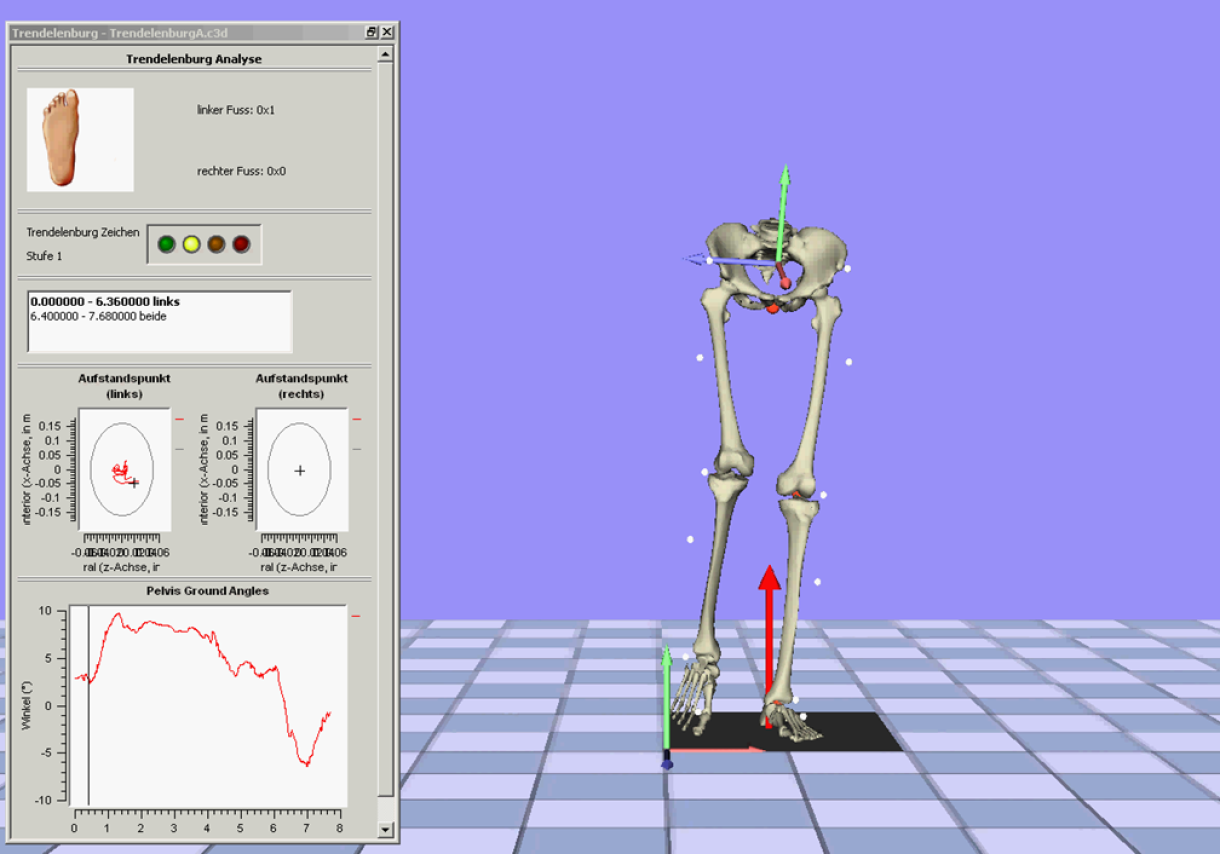
Bewertung des Rehabilitationserfolges nach Hüftgelenksoperationen mit künstlichen neuronalen Netzwerken anhand des Trendelenburg-Zeichens
Kognitive Algorithmen werden zunehmend auf biomechanische Problemstellungen wie z. B. Bewegungsanalyse angewandt. In dieser Studie wird der Rehabilitationsfortschritt von Patienten quantifiziert, indem ein künstliches neuronales Netz Bewegungsanalysedaten als Eingang erhält, mit den Bewertungen von Orthopäden trainiert wird und den Grad des Trendelenburg-Zeichens liefert …mehr
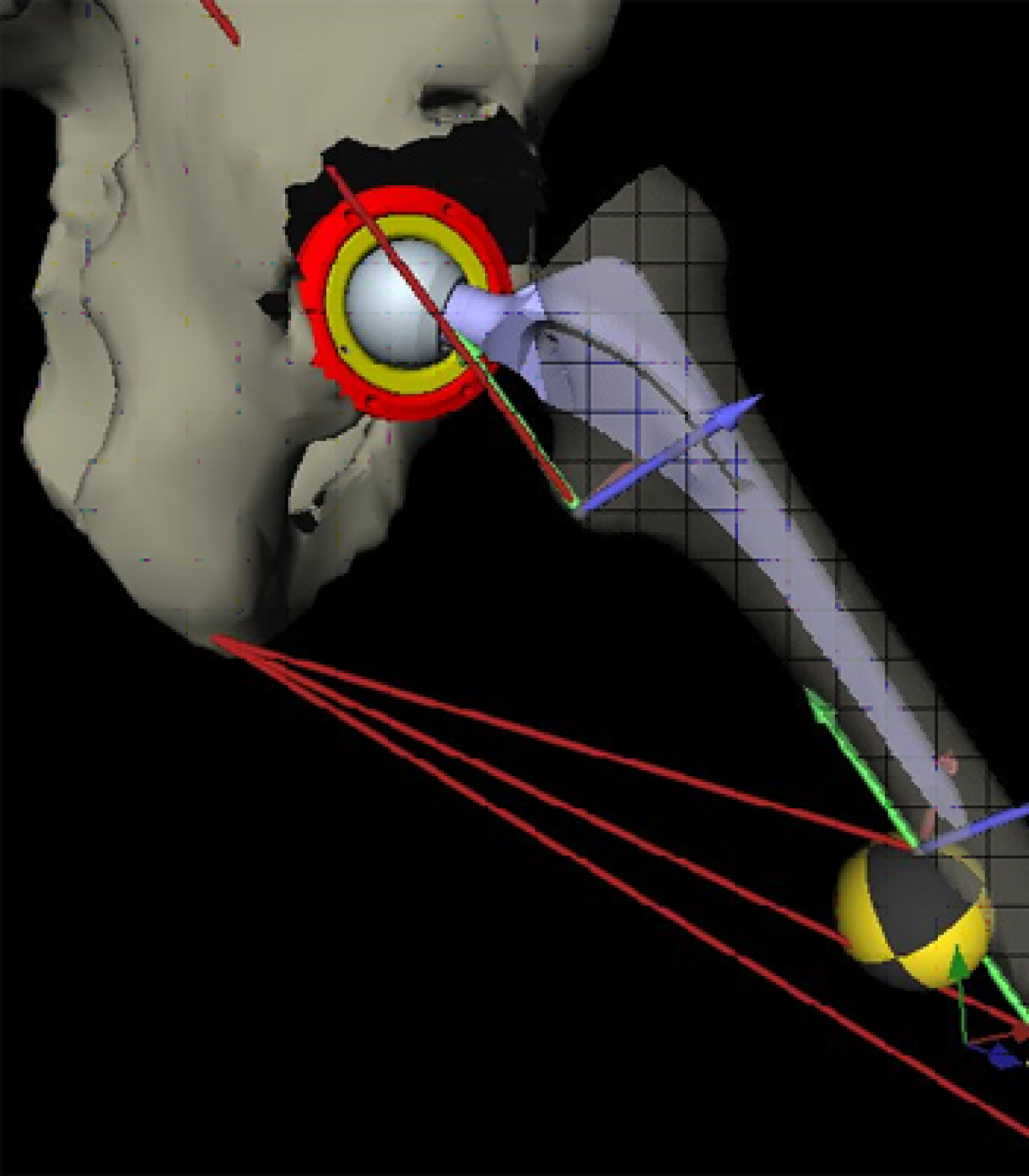
Werkzeug für die Prothesenplanung
Ein Werkzeug für die Planung von Gelenksersatzoperationen zu entwickeln ist Ziel des vorliegenden Projektes. Mit diesem Werkzeug kann der Chirurg Prothesen aus einer Datenbank auswählen und in Röntgen- bzw. MRT-Bilder einpassen kann. Dieses Werkzeug wird in das vom Lehrstuhl in Zusammenarbeit mit ITBB entwickelte Ganganalysesystem eingebunden, sodass die Auswirkung der Prothese auf Muskellängen und -hebelarme während des Ganges simuliert werden kann.
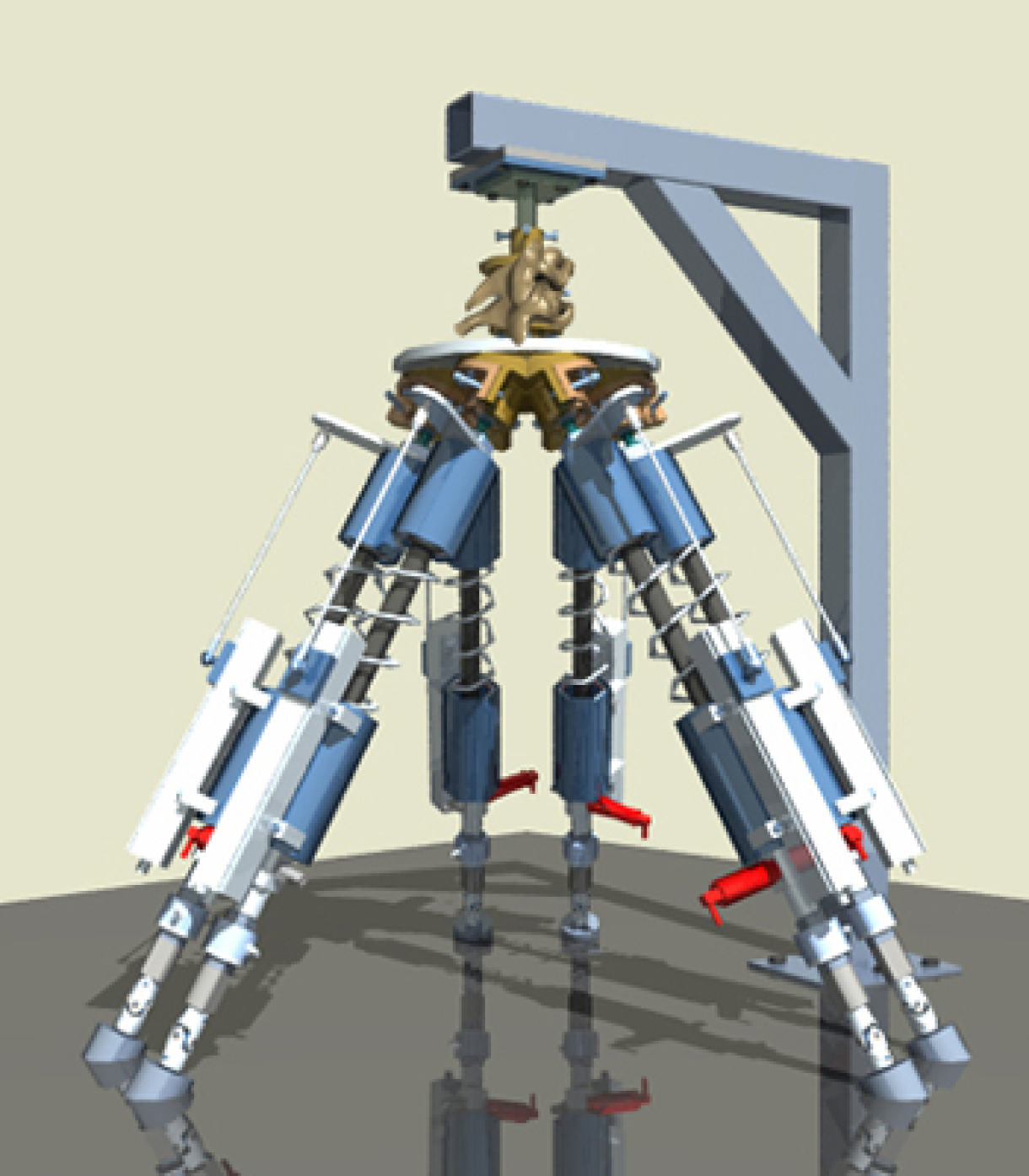
HexaSpine: Parallelplattform zur Simulation der Halswirbelbewegung
In diesem DFG-Projekt wird eine Parallelplattform mit sechs Aktuatoren aus pneumatischen Muskeln und parallelen Druckfedern gesteuert. Durch modellgestützte Aktuatordruckregelung werden beliebige Zusammenhänge zwischen Endeffektorverschiebung und Endeffektorkraft erzeugt …mehr