

CRC-RESIST
DFG FundedRESIST – a Collaborative Research Centre on multiple stressors affecting streams and rivers
Duration: 2021-2028
Current Phase: Phase II
Summary:
Stream and rivers are degraded by a multitude of stressors – various types of pollution, degradation of hydrology and morphology, invasive species … just to mention a few. Stressors affect all organism groups and the functions and services they provide.
Often, stressors interact: Sometimes they strengthen each other, sometimes they weaken each other. Why and how is not fully understood. But stressor interactions greatly affects ecosystem management. Sometimes, if a river is restored, the biota deteriorate rather than improve.
RESIST aims to unravel the interactions of multiple stressors in rivers. With manipulative lab and field experiments, field studies and models we will test why, when and how stressors interact – and develop options for mitigation and restoration.
Sub-Projects
In which LeeseLab is Involved
A08 Degradation by and recovery from drought-related stressors of freshwater invertebrate communities
Macroinvertebrates are influenced by multiple anthropogenic stressors whose effects can interact and persist through legacy impacts, complicating recovery after stressor removal. In Phase I, Project A08 investigated the impacts of reduced flow, salinisation, and warming on macroinvertebrate communities using ExStream experiments. Results showed salinisation resistance due to prior exposure, while reduced flow and warming caused major community changes. Phase II will examine drought-related stressors—warming, surface-flow cessation, and salinisation—across ecological levels using ExStream/SIGMA systems. Experiments will explore degradation, recovery, and evolutionary adaptation in Gammarus populations, testing the Asymmetric Response Concept and identifying thresholds for multiple stressor interactions in river ecosystems.
People Involved:
Z02 Maintenance of experimental systems, central field work and central sample analysis
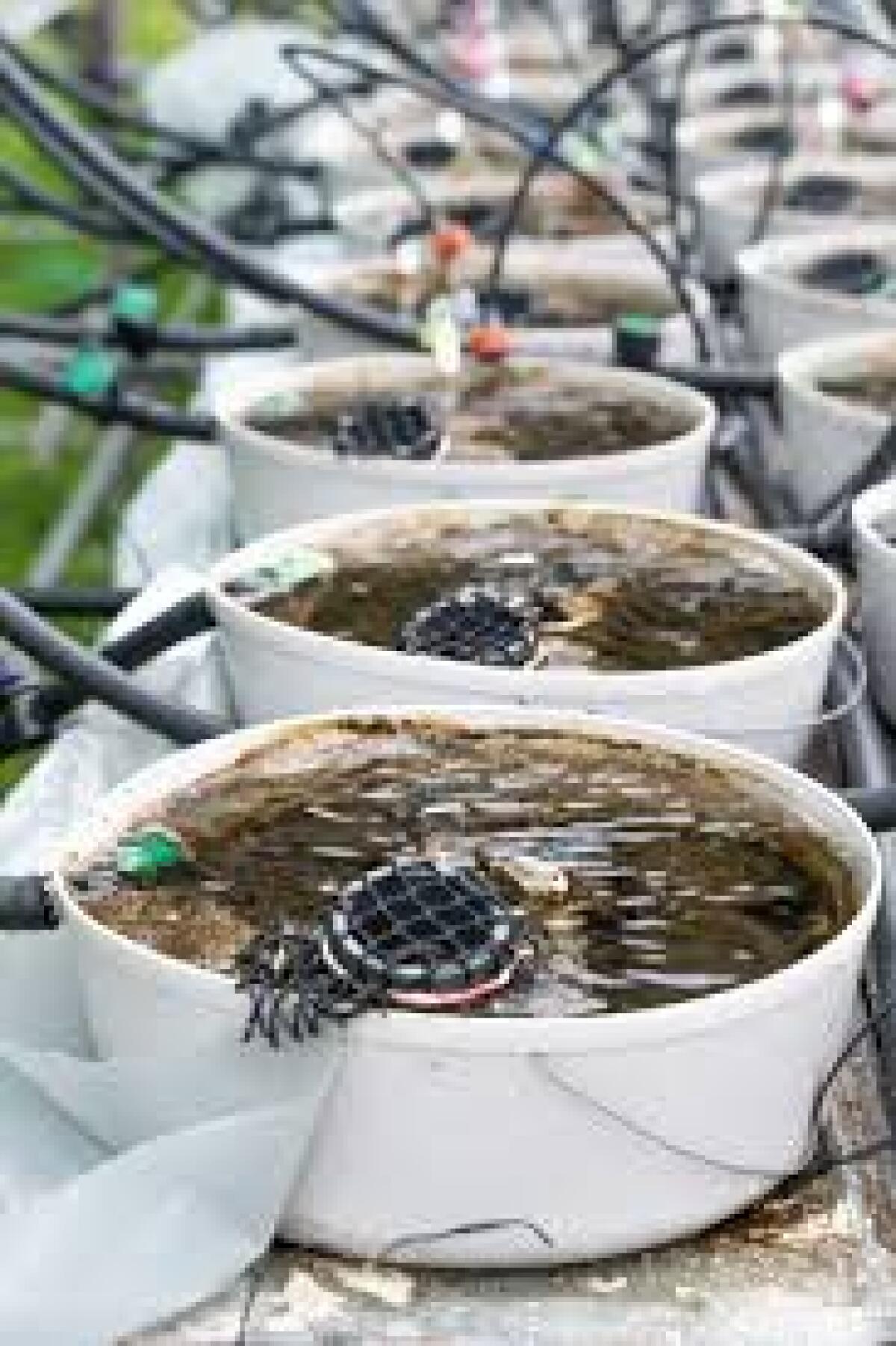
Project Z02 will support all RESIST experimental and field projects by maintaining two core systems—ExStreamSIGMA and field flumes—and organizing field surveys and genetic analyses (DNA, RNA, population genomics). ExStreamSIGMA, with up to 64 mesocosms in the Emscher/Rotbach and Kinzig catchments, will test biological and functional responses to drought, warming, and surface-flow cessation through degradation and recovery experiments. Field flumes will simulate droughts of varying duration to assess recovery and habitat effects. Long-term field studies in both catchments will continue, integrating metagenomic, metatranscriptomic, and amplicon analyses. Project Z02 also ensures centralized QA/QC, sample processing, and coordination with INF.