

Multiple Stressor Research
From the single species in the laboratory to an ecosystem-based view of stressor effects in the field
Classical ecotoxicological research examines the responses of individual species to single stressors. From these tolerances, threshold values for specific chemicals such as pesticides or nutrients are determined. However, it is becoming increasingly clear that the responses of species to a stressor depend on the specific abiotic and biotic context. A single stressor can elicit a specific response from an organism (e.g., escape, physiological stress response). If the organism is simultaneously exposed to another stressor, such as elevated temperature, this can also modulate the stress response to the first stressor. As a result, the combined effect of two stressors can be stronger (synergistic) or weaker (antagonistic) compared to the expected additive effects.
Schematic stressor responses
|
Additive: 1+1=2 (stressors add up) Synergistic: 1+1=3 (stressors reinforce each other) Antagonistic: 1+1=1 |
The extent to which stressor responses depend on biotic interactions has hardly been investigated.
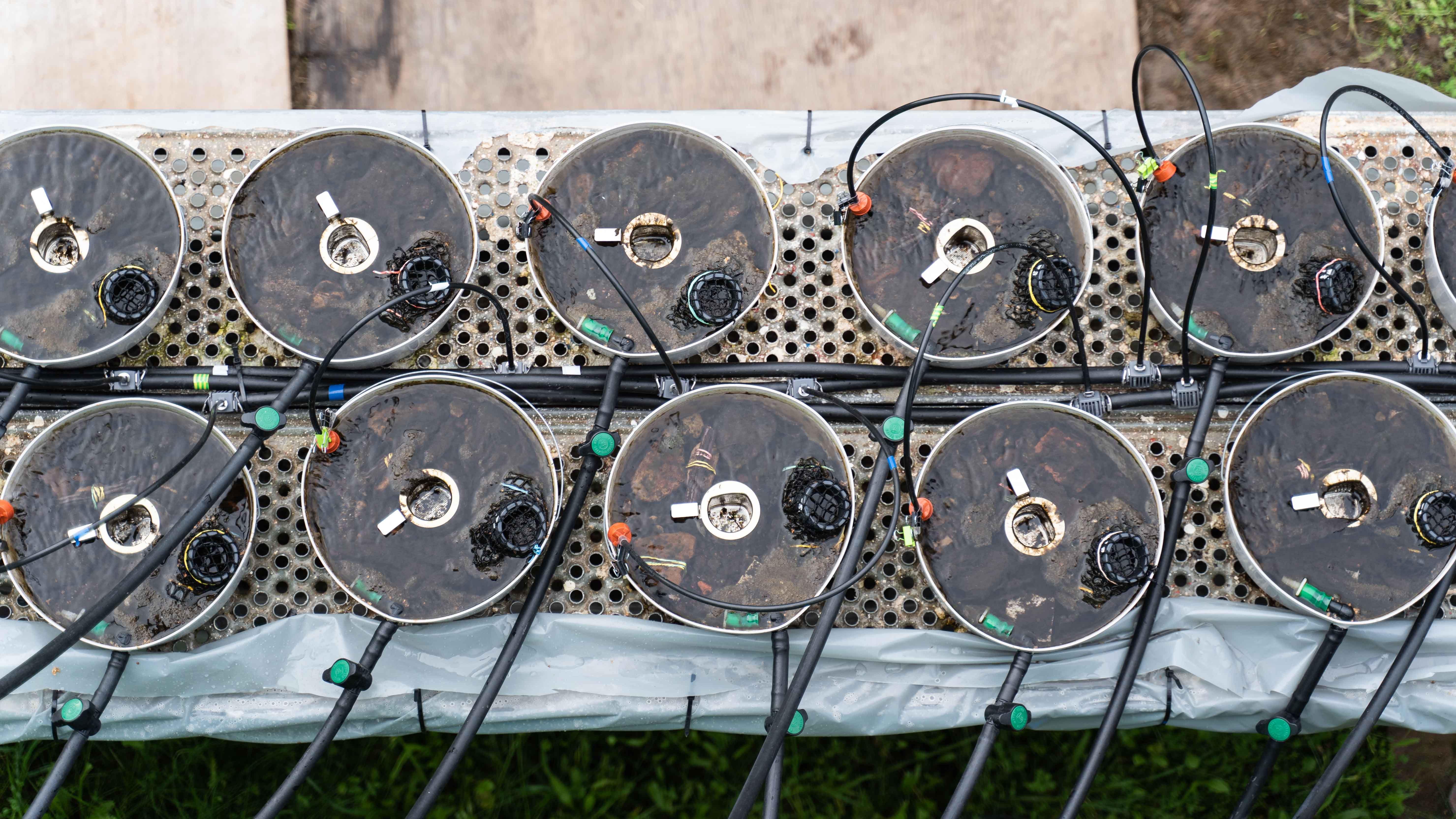
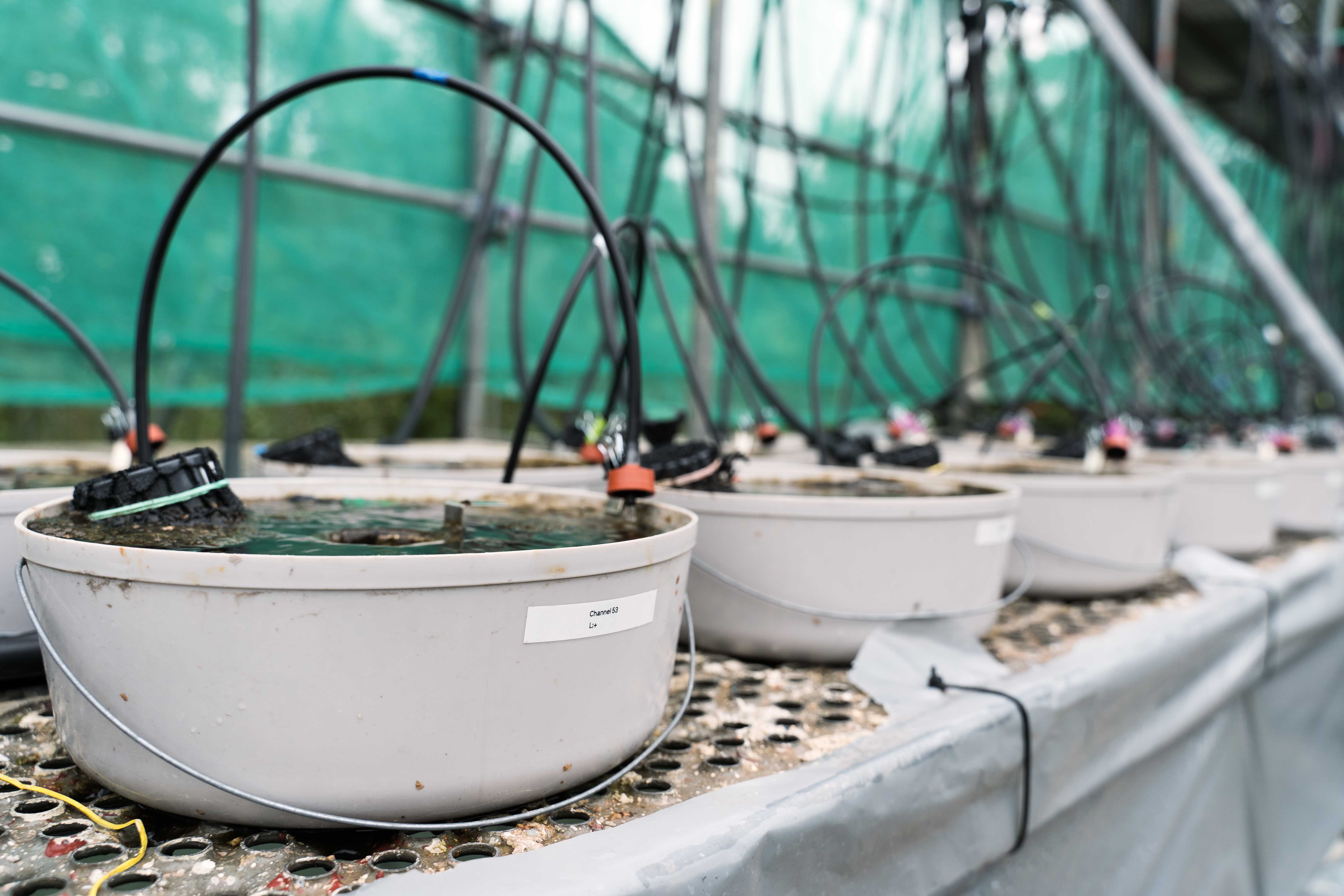
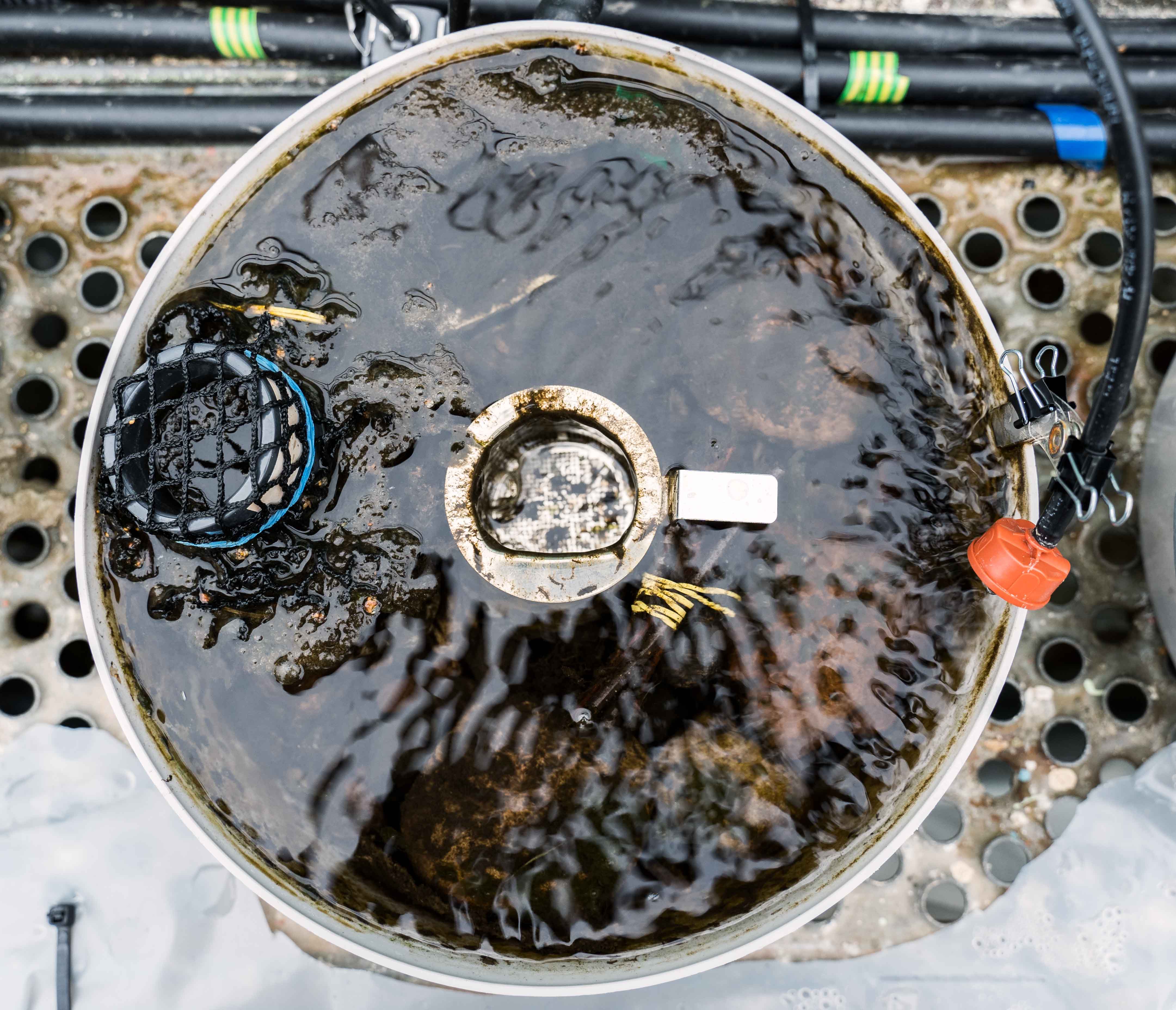
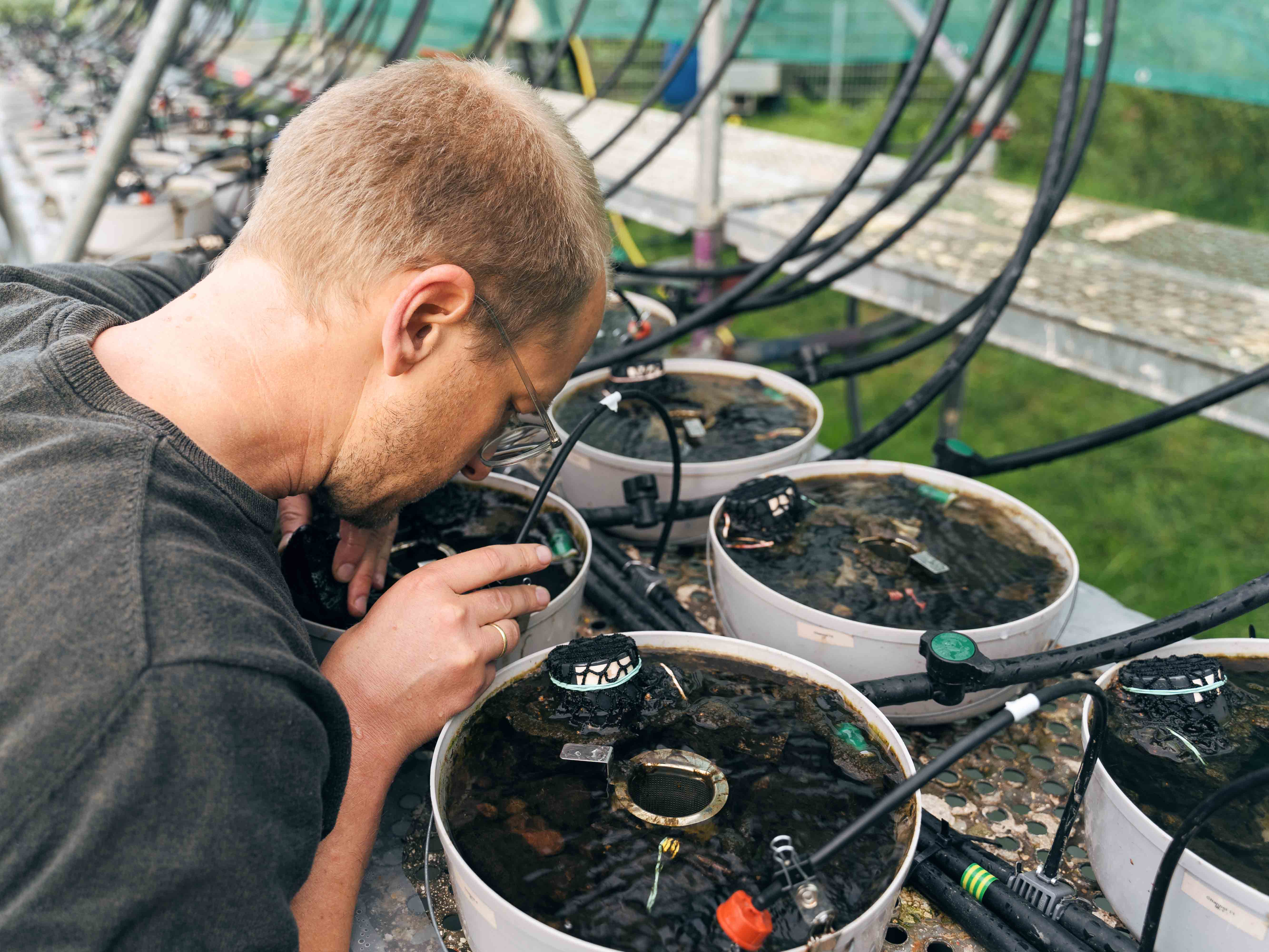
In our working group, together with our cooperation partners and colleagues from the Faculty of Biology, we use innovative field experiments to investigate the effects of multiple stressors on species, communities and ecosystem functions.
Publications :
Beermann, Arne J., Elbrecht, V., Karnatz, S., Ma, L., Matthaei, CD, Piggott, JJ, Leese, F., 2018a. Multiple-stressor effects on stream macroinvertebrate communities: A mesocosm experiment manipulating salinity, fine sediment and flow velocity. Science of The Total Environment 610-611, 961-971. https://doi.org/10.1016/j.scitotenv.2017.08.084
Beermann, AJ, Elbrecht, V., Karnatz, S., Ma, L., Matthaei, CD, Piggott, JJ, Leese, F., 2018. Multiple-stressor effects on stream macroinvertebrate communities: A mesocosm experiment manipulating salinity, fine sediment and flow velocity. Science of The Total Environment 610, 961–971.
Beermann, AJ, Werner, M.-T., Elbrecht, V., Zizka, VMA, Leese, F., 2021. DNA metabarcoding improves the detection of multiple stressor responses of stream invertebrates to increased salinity, fine sediment deposition and reduced flow velocity. Science of The Total Environment 750, 141969. https://doi.org/10.1016/j.scitotenv.2020.141969
Beermann, Arne J., Zizka, VMA, Elbrecht, V., Baranov, V., Leese, F., 2018b. DNA metabarcoding reveals the complex and hidden responses of chironomids to multiple stressors. Environmental Sciences Europe 30, 26. https://doi.org/10.1186/s12302-018-0157-x
Elbrecht, V., Beermann, AJ, Goessler, G., Neumann, J., Tollrian, R., Wagner, R., Wlecklik, A., Piggott, JJ, Matthaei, CD, Leese, F., 2016. Multiple‐stressor effects on stream invertebrates: a mesocosm experiment manipulating nutrients, fine sediment and flow velocity. Freshwater Biology 61, 362–375.