ZWU News Archive 2021
News from the ZWU
Find out about current activities and news from the ZWU network.
Save the dateWater Research Horizon Conference 2022
December 2021
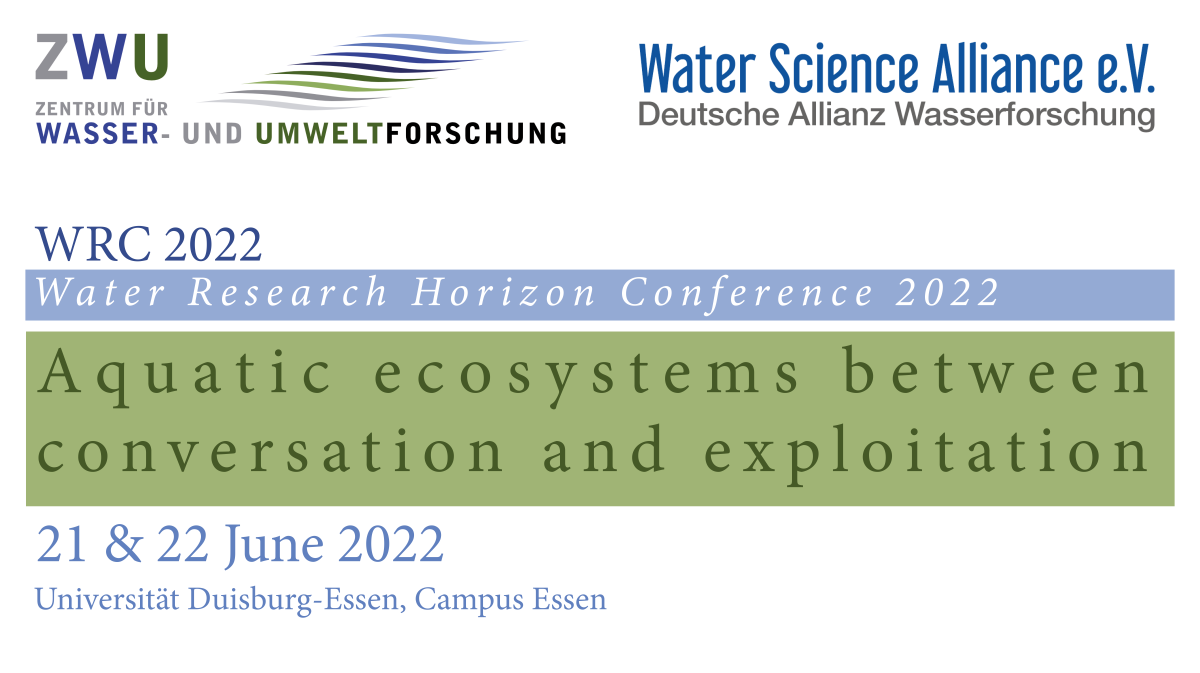
On June 21-22, 2022, the Water Research Horizon Conference (WRHC) on the topic: "Aquatic Ecosystems between Conservation and Exploitation" will take place in Essen, Germany. In 2022, the WRHC will be organized by the Water Science Alliance and ZWU.
The Water Research Horizon Conference (WRHC) is a platform for dialogue on the major challenges in water research. Within its framework, the scientific community meets annually to discuss interdisciplinary issues to be addressed through integrated approaches.
The program and further information will be published soon.
International StudyMicrobes and viruses found in the Atacama Desert
November 2021
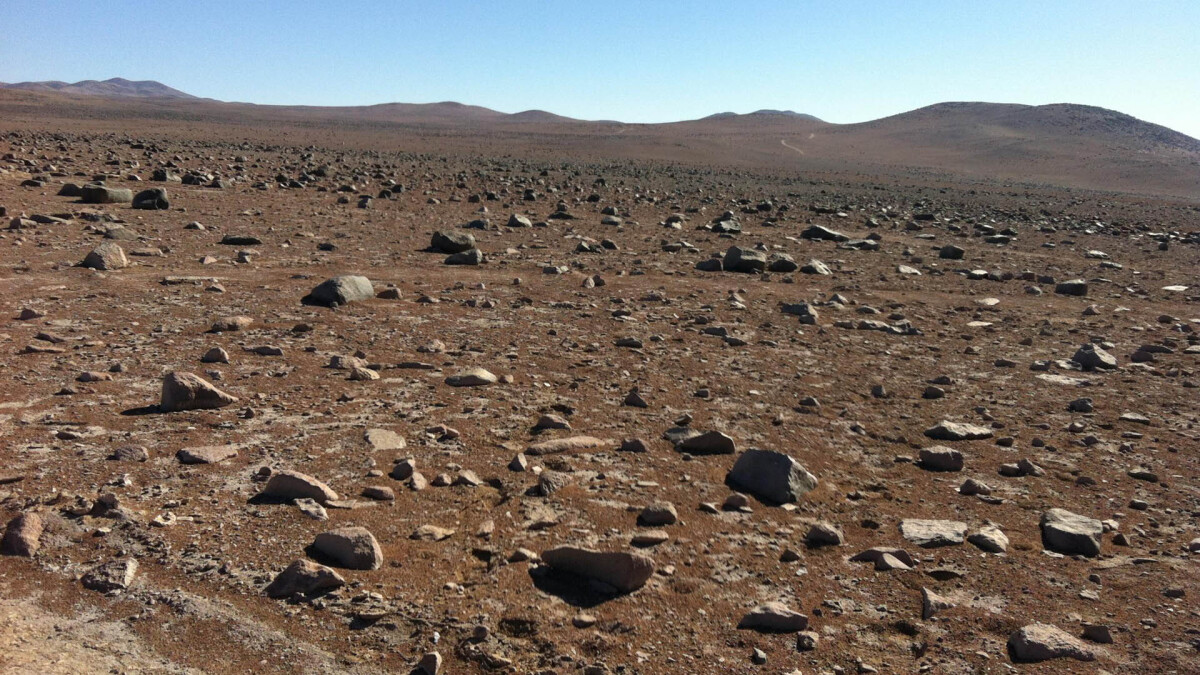
The Atacama Desert stretches along Chile's Pacific coast over 100,000 square kilometers. It is one of the most arid places in the world. Annual precipitation averages 0.5 mm, less than Death Valley in California.
Prof. A. Probst (Aquatic Microbial Ecology, UDE) and his international team have now discovered unicellular archaea there that have developed numerous resistances. They occur under rock-covered parts of the desert, where they are protected from UV radiation. The boulder-covered areas comprise up to a quarter of the extremely dry core of the Atacama Desert. So far, no life has been searched for there.
For space exploration, he said, this finding is important. "The Atacama Desert is considered a Mars analog." If terrestrial life strikes the red planet unplanned, it probably spreads widely, as the viruses' dispersal patterns showed. In addition, he said, there could be zones of life possible under Martian debris, just as there are here, despite drought and UV radiation.
The study involved researchers from the Technical Universities of Berlin and Duisburg-Essen, the GFZ German Research Center for Geosciences, Helmholtz Zentrum München, the Leibniz Institute of Freshwater Ecology and Inland Fisheries, and the U.S. universities of Harvard (Cambridge) and Rhode Island, Kingston.
MERLIN collaborative project 21 million euros EU funding for renaturation
Oktober 2021
The MERLIN* collaborative project coordinated by Prof. Hering & Dr. Birk (Aquatische Ökologie, UDE) is funded by the EU with 21 million euros until 2025. The project involves 44 partners from across Europe, including universities, research institutes, nature conservation organizations as well as stakeholders from industry, administration and muncicipalities.
MERLIN seeks new , widely applicable solutions for restoring the functions of freshwater ecosystems, for example to improve flood retention and store carbon dioxide.
10 million of the EU funding will go to 17 areas from Finland to Israel, where streams, rivers as well as bogs and wetlands are currently being restored to a near-natural state. These major projects will be expanded and upscaled with EU funding and developed into European-wide models. In Germany, the restoration of the Emscher is one of the supported projects. After the former dirty watercourse has already been cleaned and redesigned in a near-natural way at great expense, MERLIN is now contributing to the further upgrading of the watercourse environment.
* MERLIN – Mainstreaming Ecological Restoration of freshwater-related ecosystems in a Landscape context: INnovation, upscaling and transformation“
Prof. Niemann (UDE) successfull with 2 projects in the competition InnovationUmweltwirschaft.NRW
September 2021
34 applicants were able to prevail in the preselection for the competition "InnovationUmweltwirtschaft.NRW" and were recommended for promotion. Two projects by Prof. Niemann (Wasserbau & Wasserwirtschaft, UDE) are among the successful projects:
Abot-Modell-WKA -Validation of a control tool for the fish behavior-related control of hydropower plants coordinated by Büro für Umweltplanung, Gewässermanagement und Fischerei
Smart Green City –Relocate sensors for a smart urban water balance coordinated by Okeanos Consulting GbR
Commitment to science communication Success for Dr. Stéphane Kenmoe
August 2021
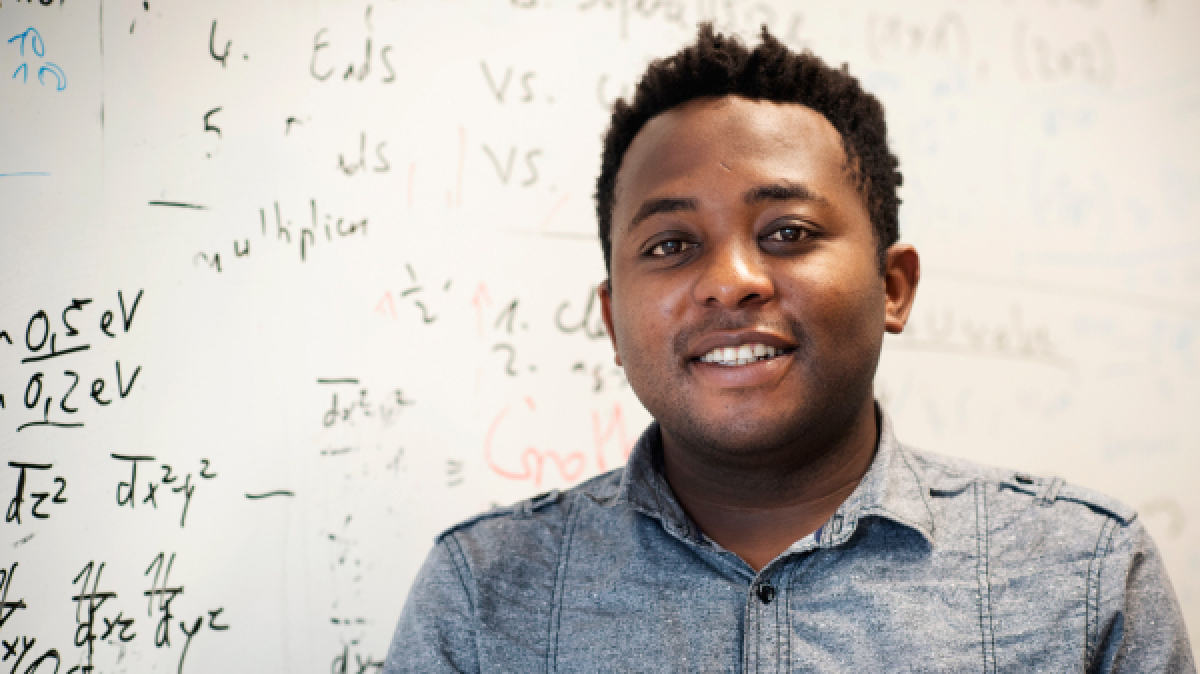
The theoretical physicist Stéphane Kenmoe developed the series called: „Science in the City“ which is shown on African television (DASH TV) and YouTube. Now his commitment to science communication is being recognized at the Berlin „Falling Walls“-Konferenz
Kenmoe, who works as a postdoc at the Chair of Theoretical Chemistry came out on top among 189 submissions and 50 finalists and is one of the 20 winners in the „Science Engagement“ category. At the Beginning of November he is allowed to present his project to a global audience at the „Falling Walls“-Konferenz and has the chance to secure the title "Breakthrough of the year“.
BMBF joint projectCultivation of aquatic microbes
August 2021
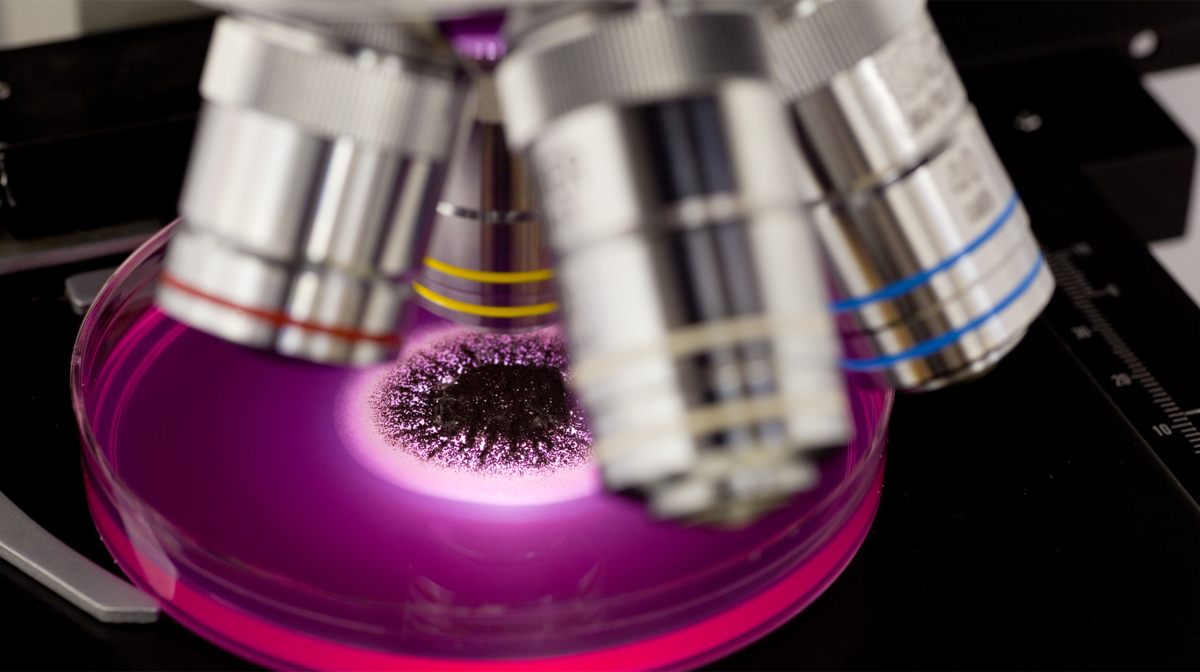
Growing microorganisms and their natural communities in the laboratory - this is the goal of the new research project MultiKulti at the University of Oldenburg. The research team - including members from the Aquatic Microbial Ecology department at the UDE - is developing a bioreactor that simulates the natural living conditions of microbes. The BMBF is funding the project with 2.5 million euros for 3 years.
The UDE researchers will apply bioinformatics methods that make it possible to predict the metabolism of the target microbes. In addition, a method based on DNA sequencing technology for reactor monitoring will be developed.
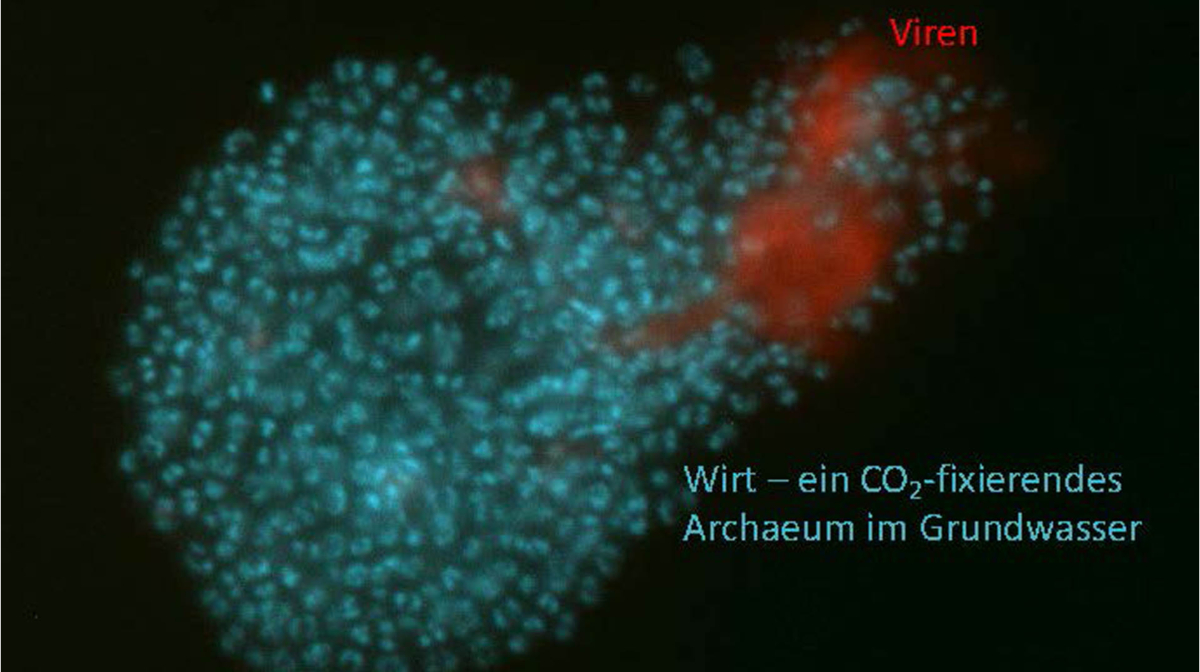
New viruses in groundwater International study on lytic archaeal viruses.
August 2021
Prof. Probst (Aquatic Microbial Ecology, UDE) and an international group of researchers found altiarchaea in the groundwater of the Mühlbach sulfur spring in Isling, Regensburg. They came across the unknown viruses that infect the microorganisms when analyzing water taken from a 35 m deep aquifer at the sulfur spring. In the labaratory, the viral pathogens cannot yet be grown in the laboratory and are therefore nameless.
Probst, A. et al.: „Lytic archaeal viruses infect abundant primary producers in Earth’s crust”, in: Nature Communications 12 (30 July 2021): https://www.nature.com/articles/s41467-021-24803-4
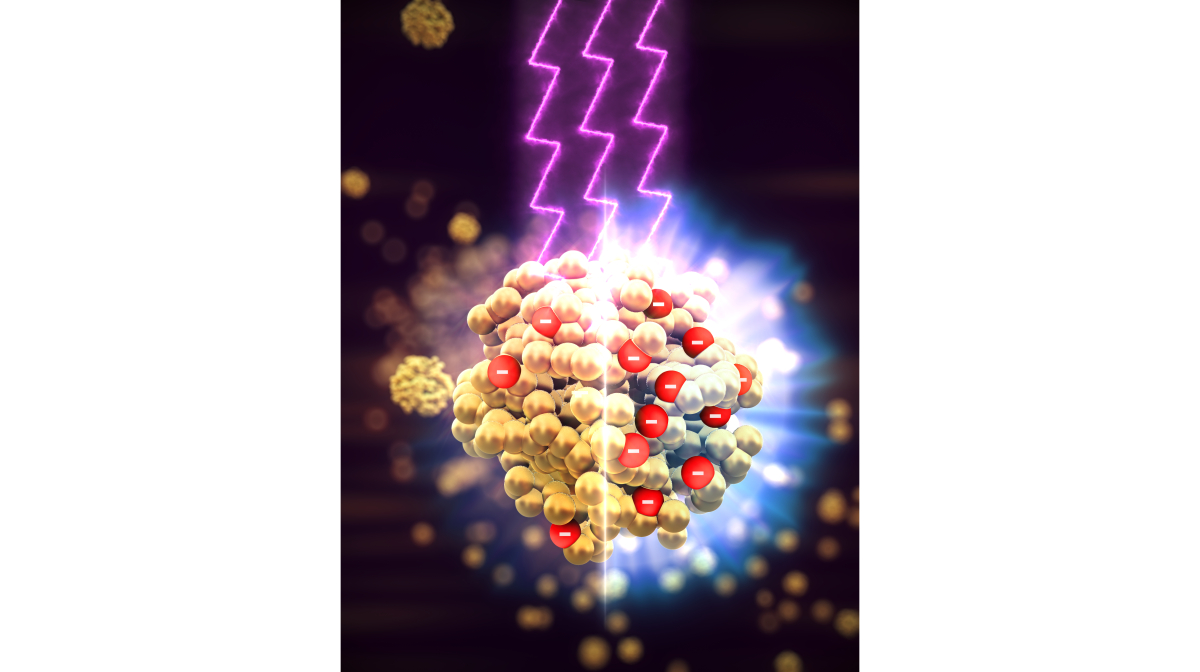
Fluorescence of noble metal Nanoclusters.
Juli 2021
In this work, researchers led by Ms. Ziefuss (Technical Chemistry I) demonstrate the size-controlled generation of ligand-free gold nanoclusters by a modern laser-based synthesis method. These species exhibit bright blue fluorescence whose intensity is a direct function of the surface charge density, which can be easily tuned by the pH of the surrounding medium. The researchers have succeeded for the first time in producing such small particles without organic biomolecules on the surface and observing the optical properties.
The study, in which several UDE working groups were involved, was carried out as part of a DFG research project. The research topic offers thematic points of contact for photocatalysis research, which is being carried out as part of the FutureWaterCampus (FWC).
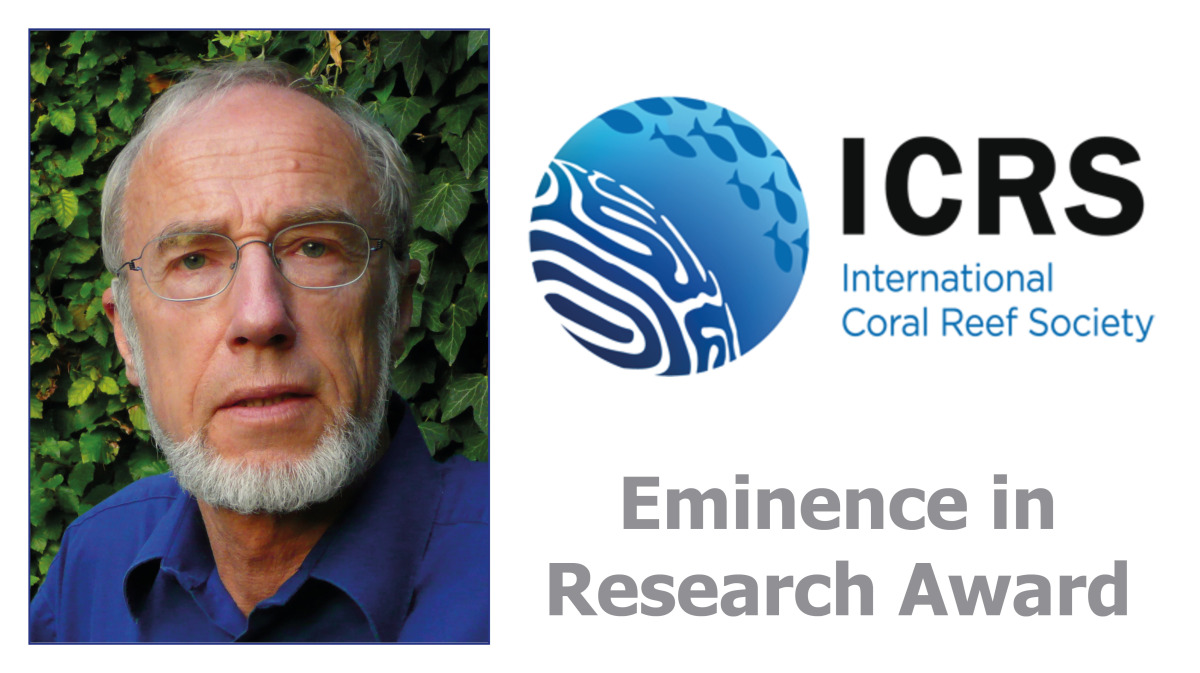
ICRS Honorary Award for Prof. Helmut Schuhmacher
Juli 2021
The ICRS International Coral Reef Society - the most important society for coral reef research - has awarded its honorary prize to UDE Professor Helmut Schuhmacher.
The former head of the then Institute of Ecology, now Aquatic Ecology, at UDE is considered one of Germany's leading coral reef ecologists and made a name for himself primarily through his studies on the effects of climate change and pollution on reefs.
Congratulations!
EU projectMicroorganisms as indicators for oil and gas storage facilities
Juli 2021
Using microorganisms as standard indicators of oil and gas deposits to prevent environmentally damaging test drilling: This is what the "Prospectomics" project aims to achieve. Researchers around UDE professor Alexander Probst are significantly involved. The EU is funding the project for 42 months with 3.4 million euros.
The project takes a molecular biology approach: Changes in sediments above reservoirs should indicate where microorganisms are exposed to hydrocarbons. Using modern bioinformatics methods, "Prospectomics" aims to investigate how changes in microbial communities can be detected using metagenomics, -transcriptomics and -proteomics.
Project "TrenDNA"Funding from the Federal Environment Agency
Juni 2021
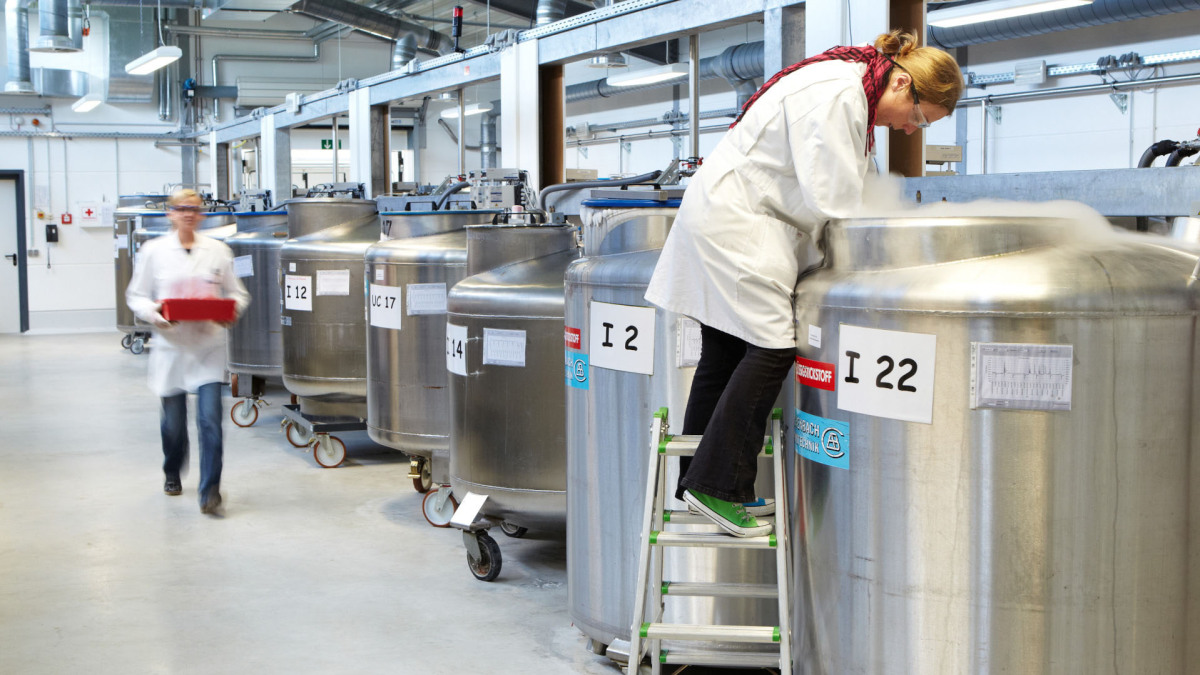
Under the leadership of the UDE, researchers in the project "TrenDNA - Investigations on Biodiversity with the Federal Environmental Specimen Bank" are working together with researchers from the University of Trier, the Senckenberg Gesellschaft für Naturforschung and the Fraunhofer IME to develop new genetic methods with which samples can be evaluated.
High-throughput sequencing will be used to take a comprehensive look at biodiversity trends over time and develop measures, says Florian Leese, spokesman for the project.
Start of the renovation work on the Thurmfeld
Juni 2021
Remediation work has begun on the former industrial site at Thurmfeld. The contaminated soil will be processed until fall 2022, after which construction of the FutureWaterCampus will begin.
The Westdeutsche Allgemeine WAZ was present at the site inspection and reported:
Water Science Alliance framework and position paper
Juni 2021
The German Water Science Alliance e.V. (WSA), a cross-disciplinary community of German water research, has just published the strategy framework paper
„Wassersysteme im Wandel - Herausforderungen und Forschungsbedarfe für die deutsche Wasserforschung“
as well as a first water point of view on the draft of the National Water Strategy of the Federal Ministry for the Environment.
New DAAD university cooperation with EJUST in Egypt
Juni 2021
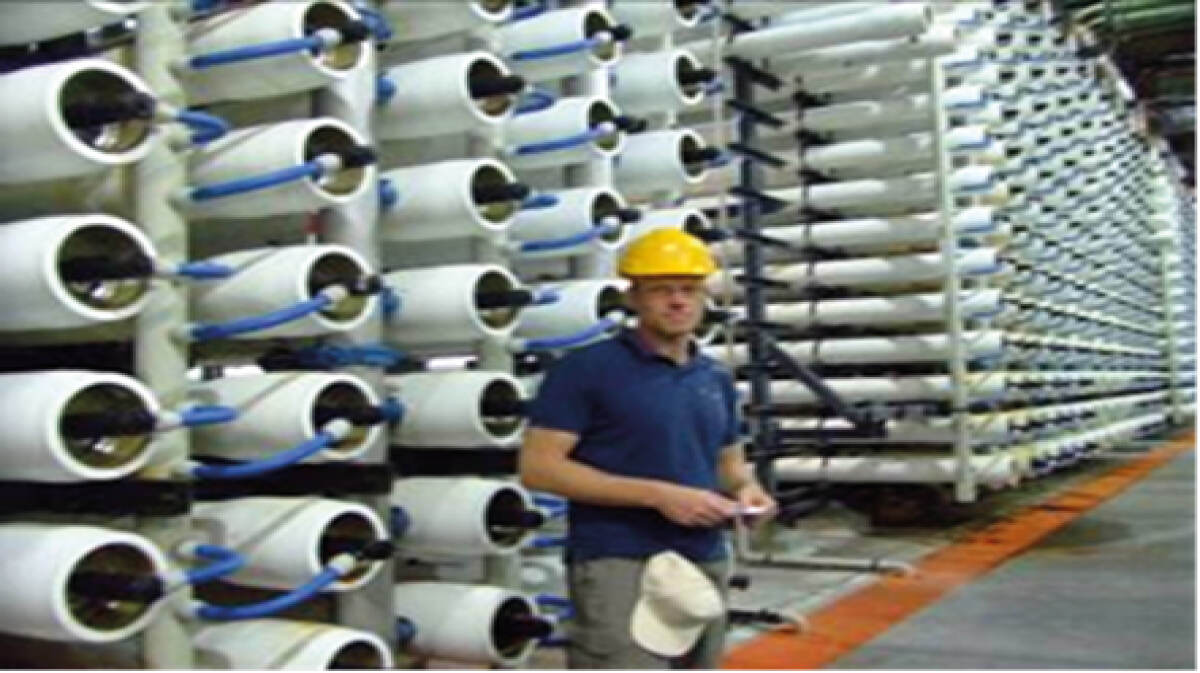
Together with the UDE Chair of Mechanical Process Engineering / Water Technology, the ZWU coordinates the cooperation project "Egyptian-German Academic Excellence in Water Treatment and Desalination (Excel-Water)", which is funded by the DAAD for 4 years.
The aim of the project is the establishment of educational programs for the training of qualified workers in Egypt. The UDE cooperates with Egyptian partners, the Egypt-Japan University of Science and Technology (E-JUST) and the Fayoum University (FU).
Internat. Joint projectSustainable production of drinking water
Mai 2021
The international joint project "Sustainable and cost-effective production of drinking water from eutrophic and micro-polluted water using a membrane hybrid process (SUPREMES)", coordinated by the UDE Chair of Mechanical Process Engineering / Water Technology and the ZWU, will receive three years of funding from the BMBF starting in June 2021.
Partners in the application-oriented research project are the University of Novi Sad in Serbia and Essen-based Cornelsen Umwelttechnologie GmbH.