

IoT-Garage
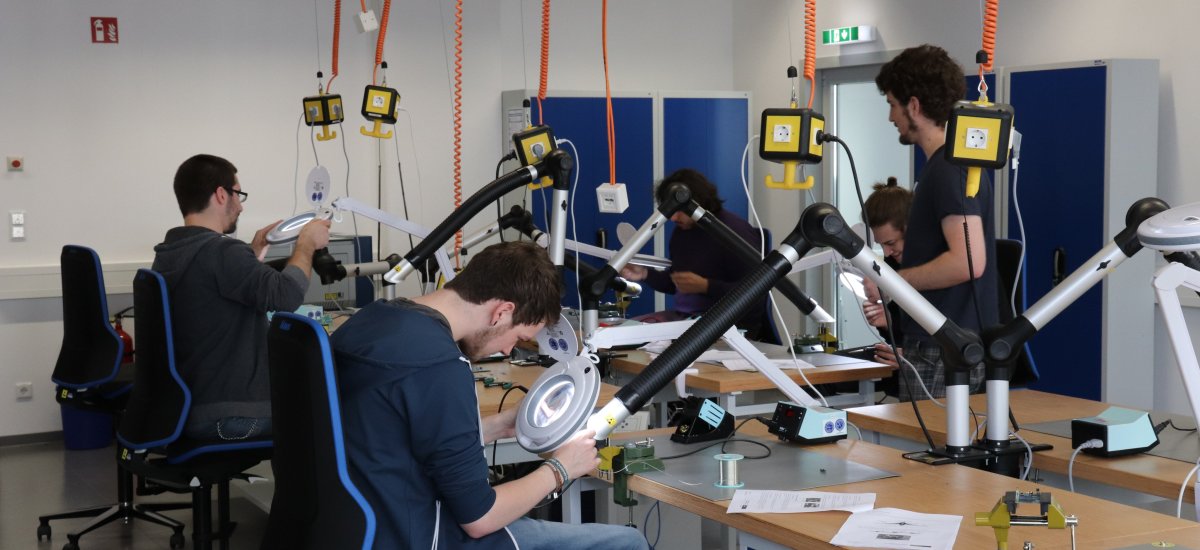
The Internet of Things (IoT), smart home concepts and Industry 4.0 are becoming increasingly important. Companies need to equip their products with 'intelligence' in order to remain competitive. To do this, they need computer scientists who have practical experience with smart objects in addition to skills in software development.
During studies, however, there is often a lack of opportunities to gain these experiences and put learned skills into practice.
With the IoT Garage, we want to enable UDE students to develop and practically implement their own ideas for smart devices. To this end, we offer extensive support at every stage of development, which can provide immediate assistance when problems arise. In addition, the Iot Garage offers a wide range of tools necessary for the realization of smart devices. This allows students to be able to apply theoretical knowledge themselves, while at the same time turning their own ideas into reality.
Follow us on Instagram!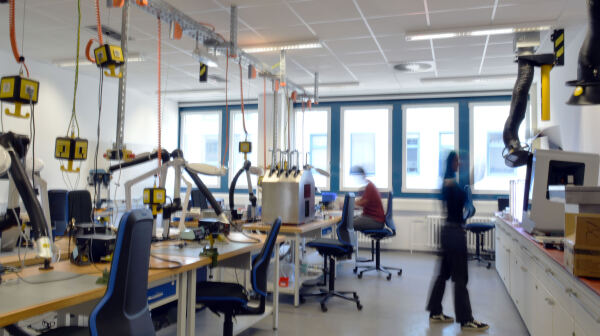
Where?
BC 012
B area, Bismarckstraße 90, 47057 Duisburg

When?
Every Thursday from 14:00 - 16:00
(during semester break as well)
Contact
Interested?
Then sign up for the Moodle course, send us an email at iot-garage@uni-due.de or just come by.
What we offer
UDE Students can just drop by the IoT Garage and work on their own projects with the help of staff and realise their own ideas with their support.
Apart from affiliation to the UDE there are no preconditions for working at the IoT Garage. However, it is important to bring a willingness to learn.
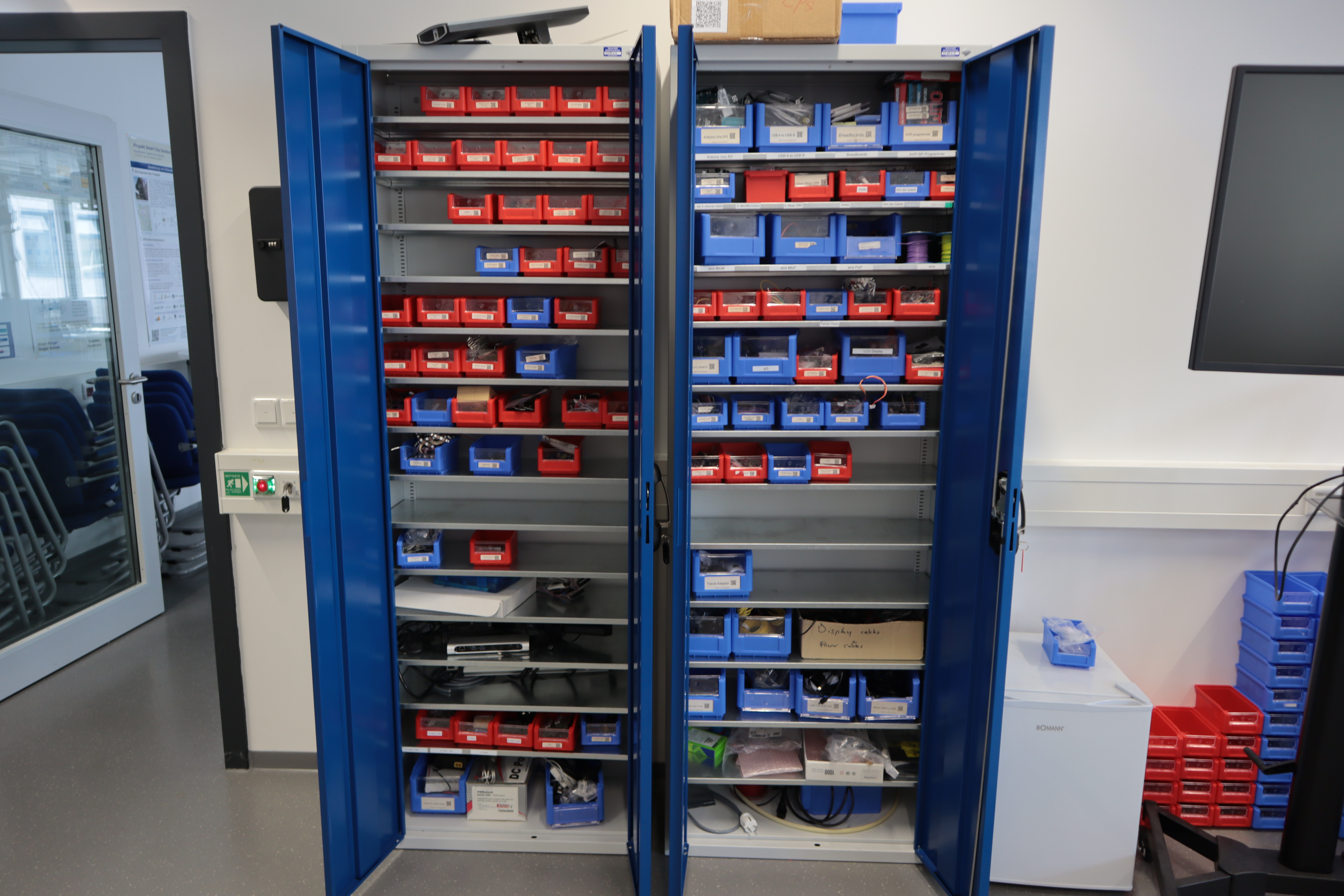
Materials are offered to the students free of charge as far as possible. This includes, among other things, materials for 3D printing, electronic components or microchips.
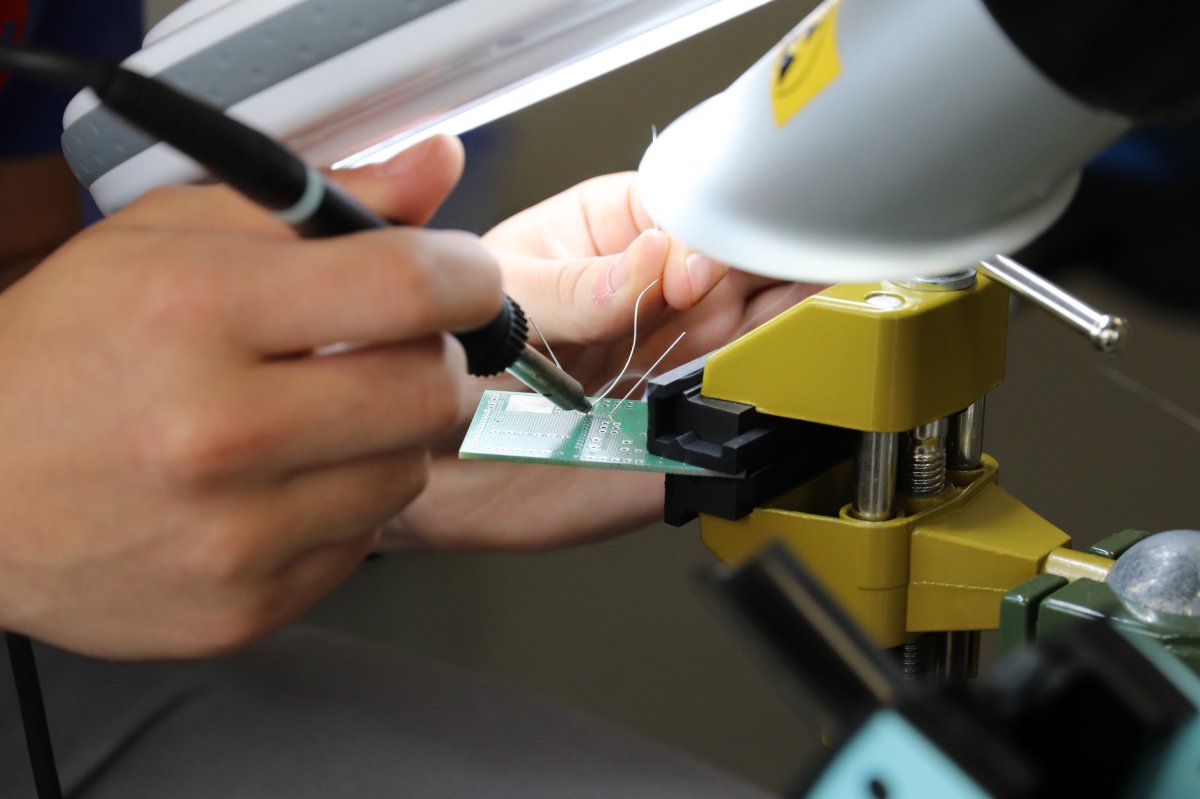
In addition to assistance from our staff, certain courses are offered to acquire or deepen practical knowledge. Topics covered include soldering and circuit board design, of course, but also programming languages and the use of single-board computers.
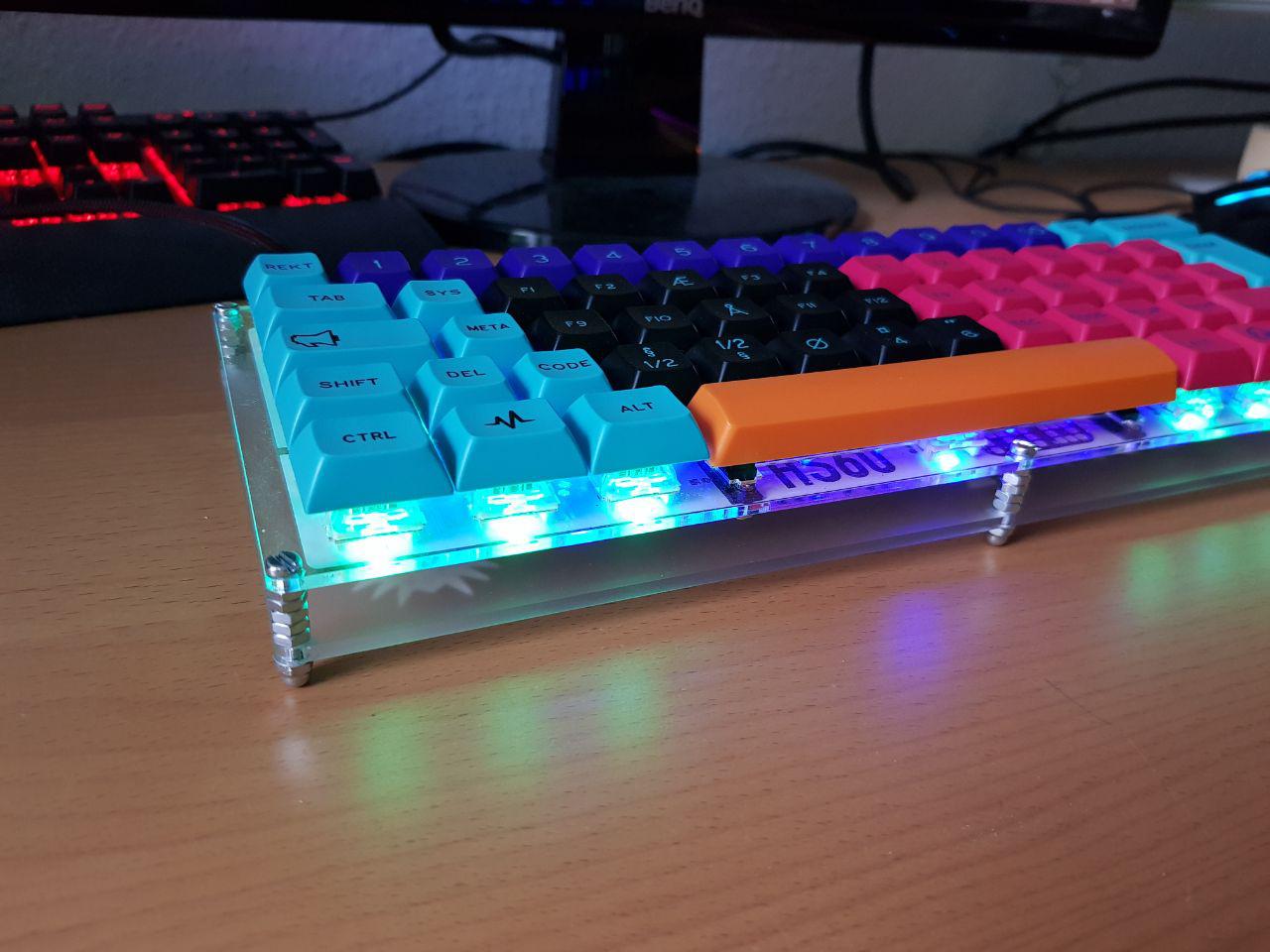
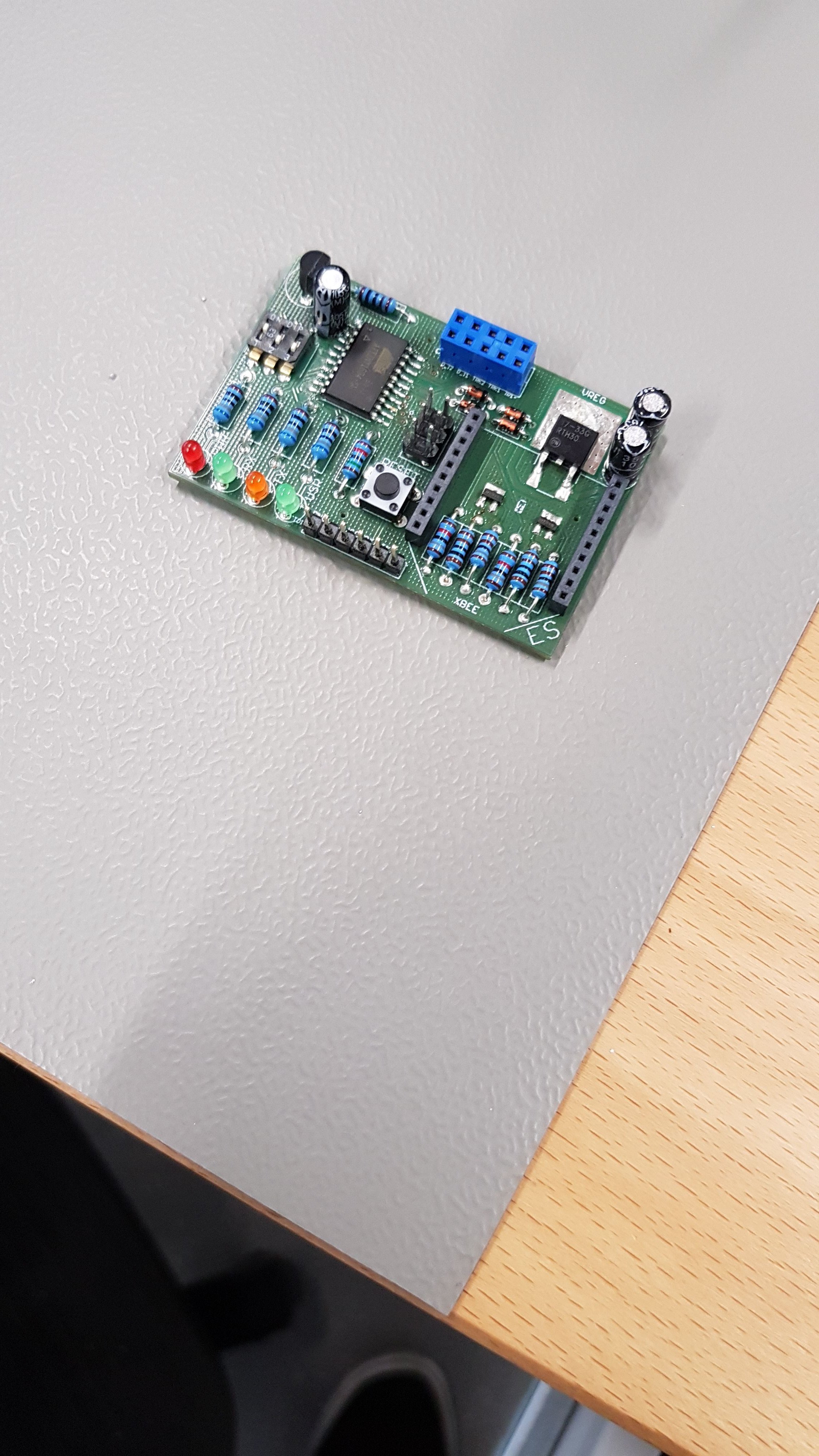
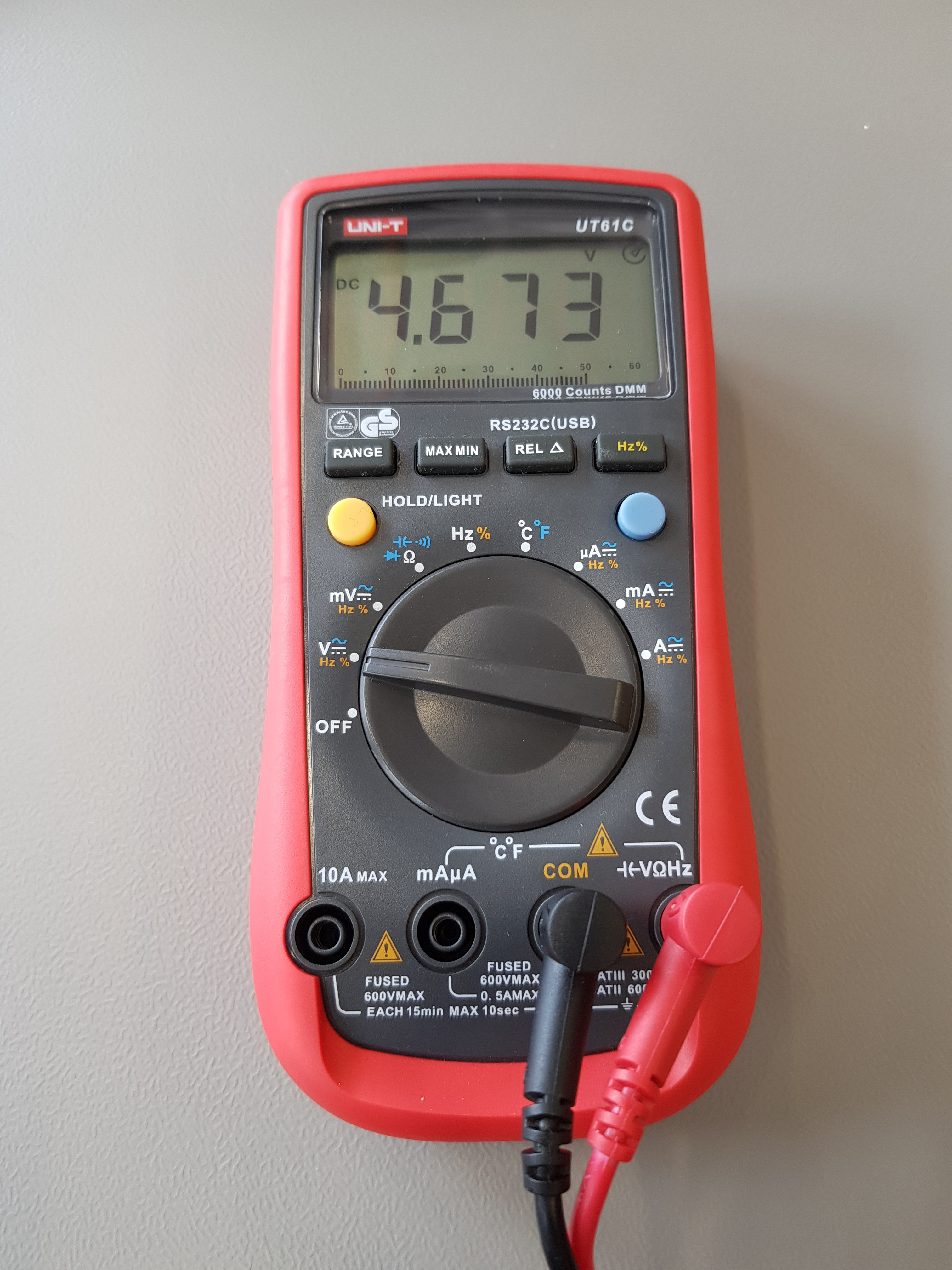
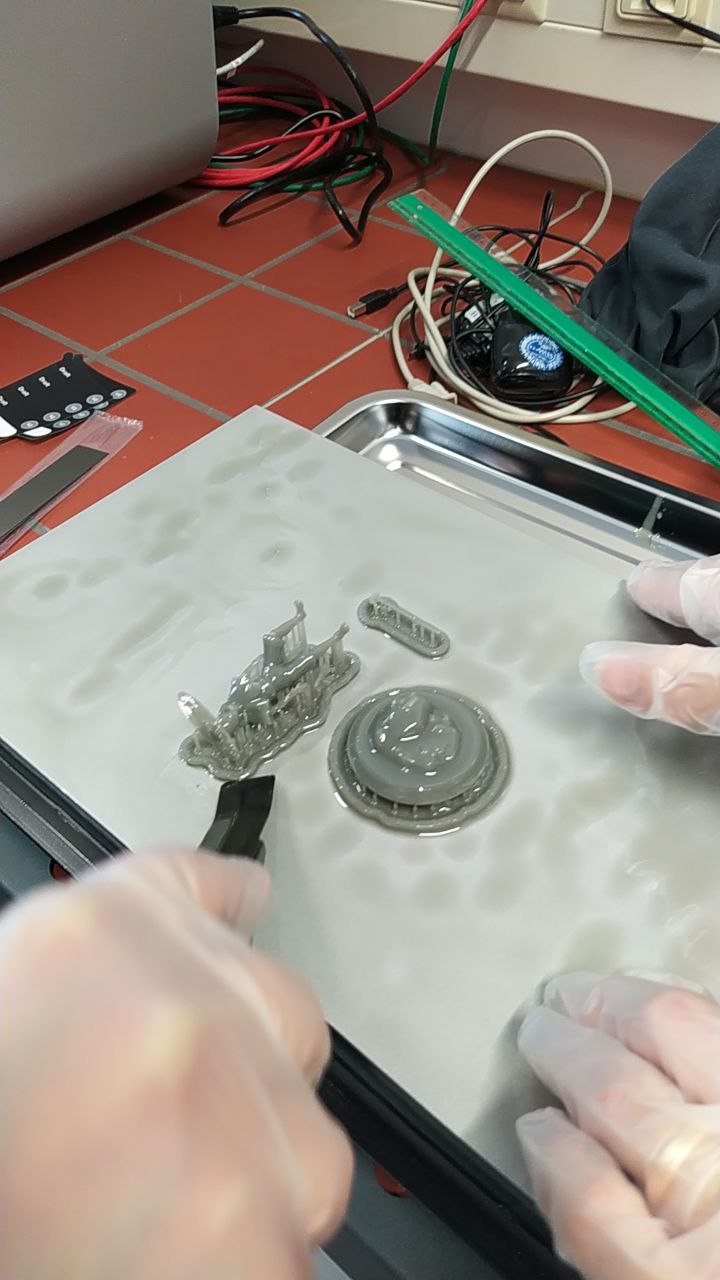
Impressions and Projects of the IoT Garage


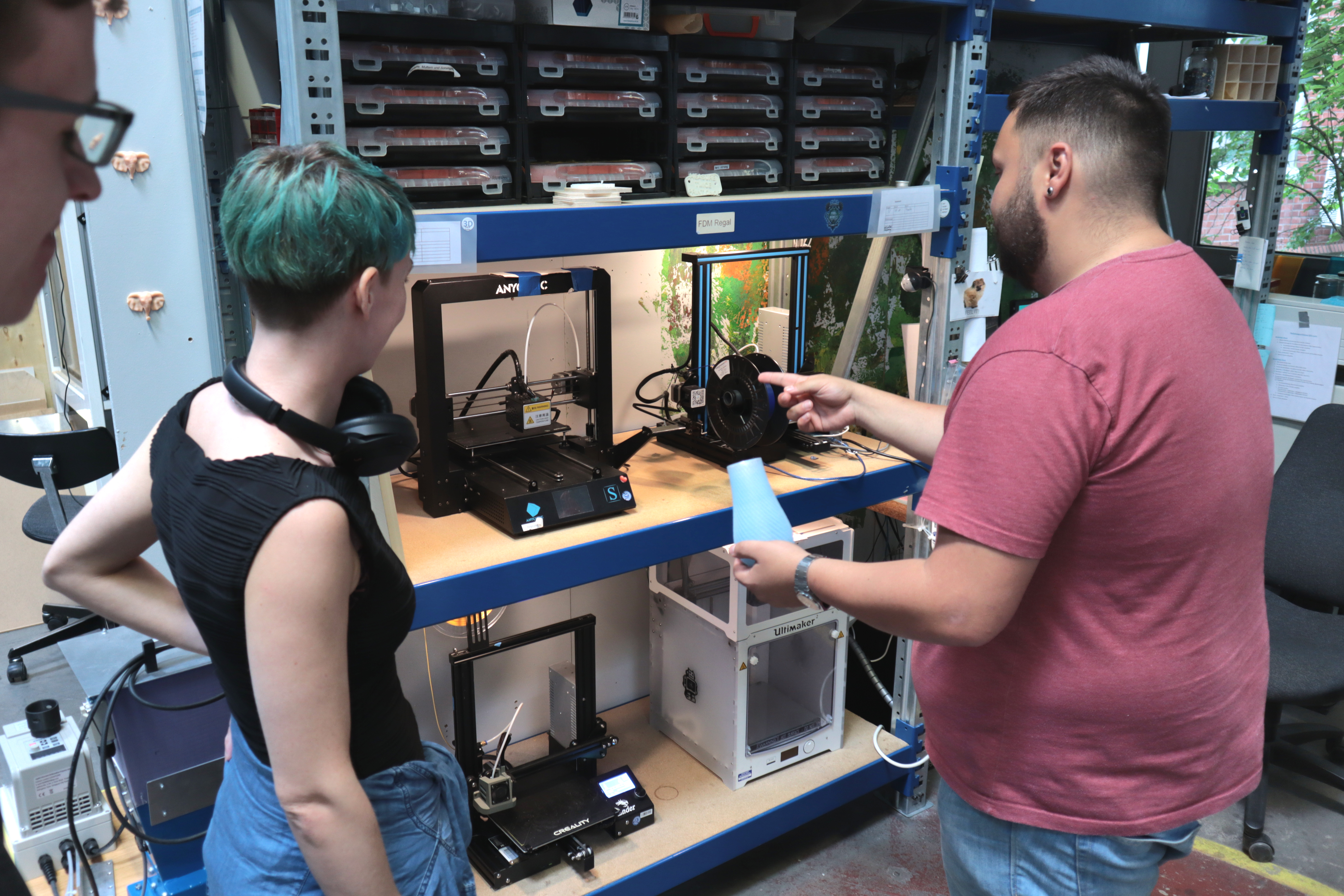
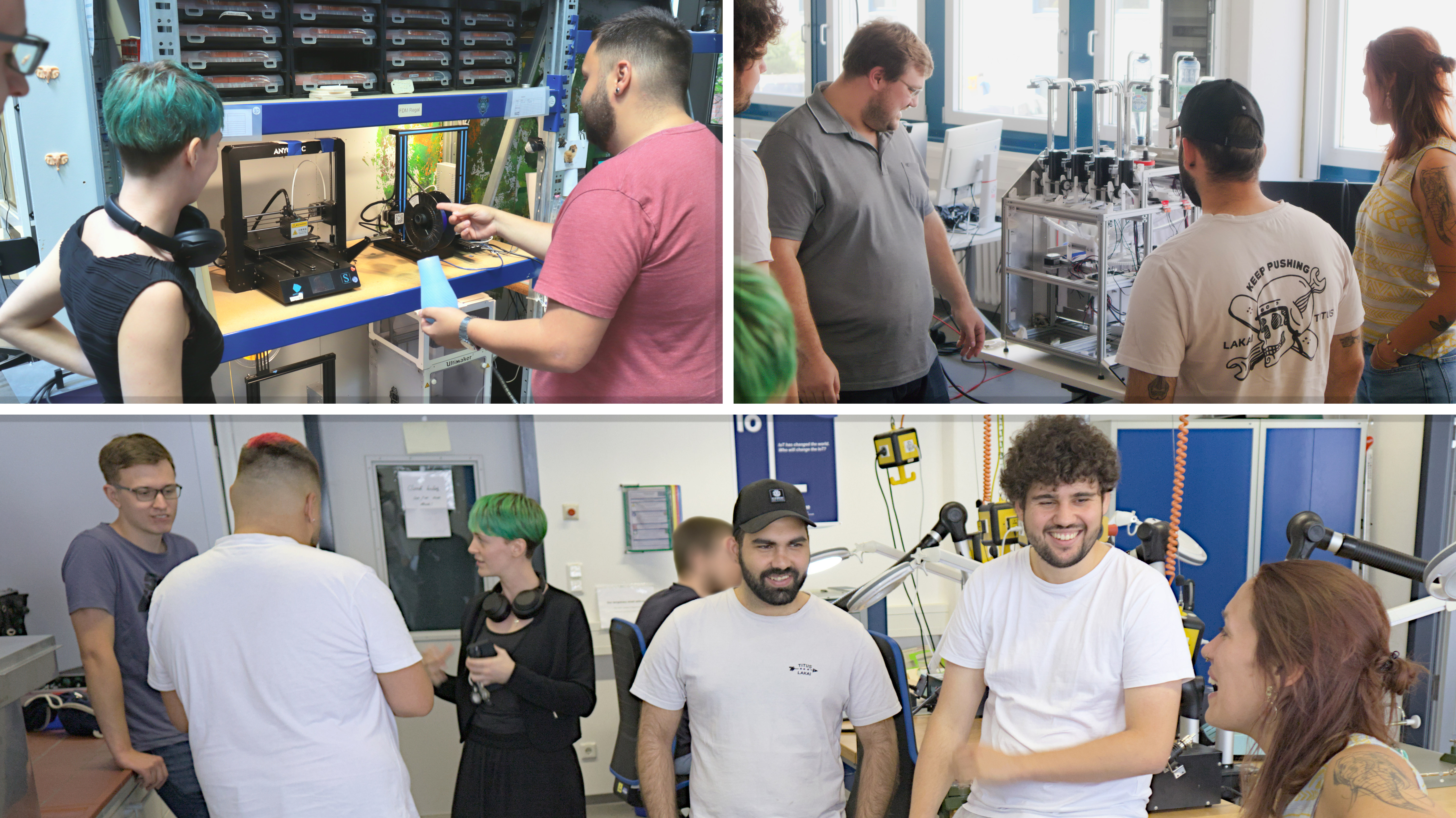
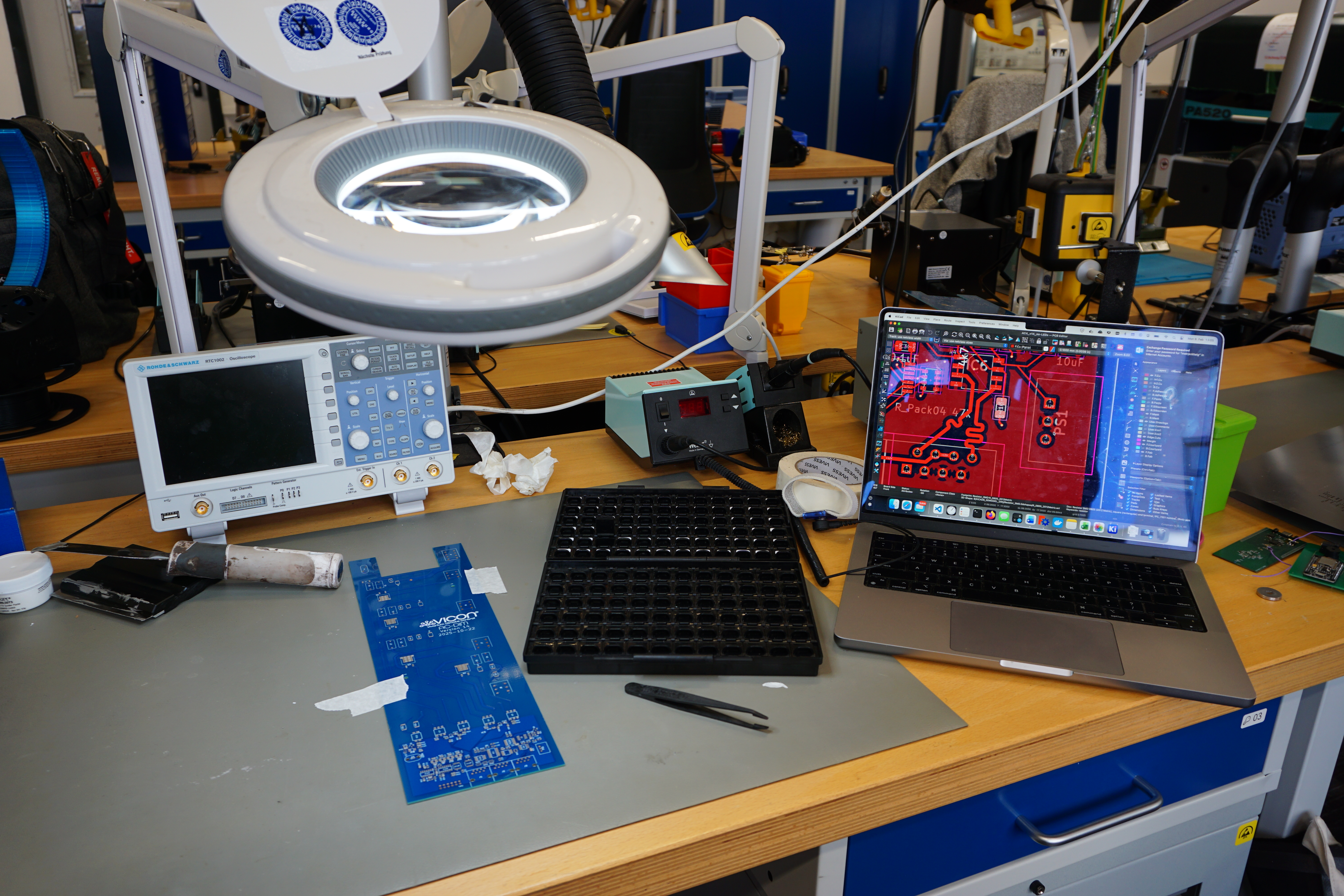


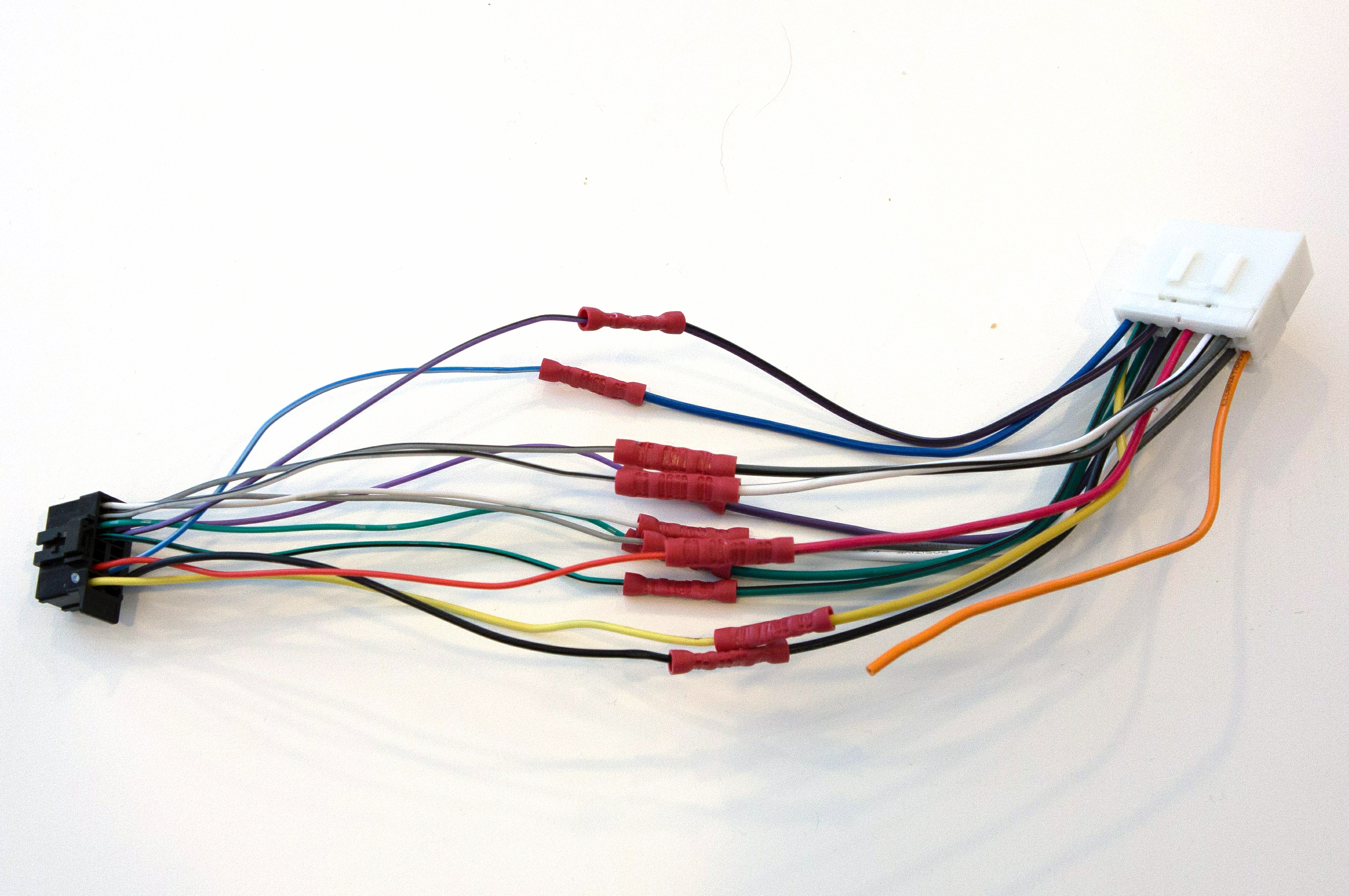





3D printing timelapse
This timelapse shows the 3D printing process of a model. It is the latest recording of a 3D print, created right here in the IoT Garage. The object is built up layer by layer until the complete shape is formed. The video shows the entire printing process in condensed form and illustrates how the additive manufacturing process and material application work together. We use PLA as our standard filament.
Funding
This project is supported by the program "Lehr-Lern-Innovationen UDE 2018" under the funding line "Lehre konkret" as part of the initiative "Entwicklung Intelligenter Gegenstände – Von Studierenden für Studierende".