
Ongoing research projekts

STRALI
Strategic charging infrastructure planning for the electrification of city-wide transportation


BiFlex Industry
Bidirectional flexibility through fleet power plants in and around companies

BRIDGES
Building bridges for sustainable energy partnerships:
A German-Brazilian joint initiative for research and innovation in the fields of solar energy, electromobility, second-life batteries, and green hydrogen
Digital Maturity Index
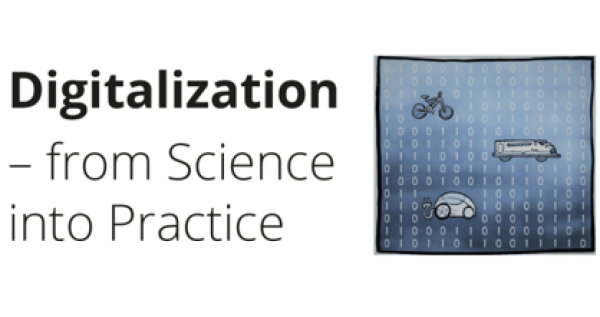
Development of a Digital Maturity Index in cooperation with the Deloitte Digital Factory
Managing the transition to electromobility
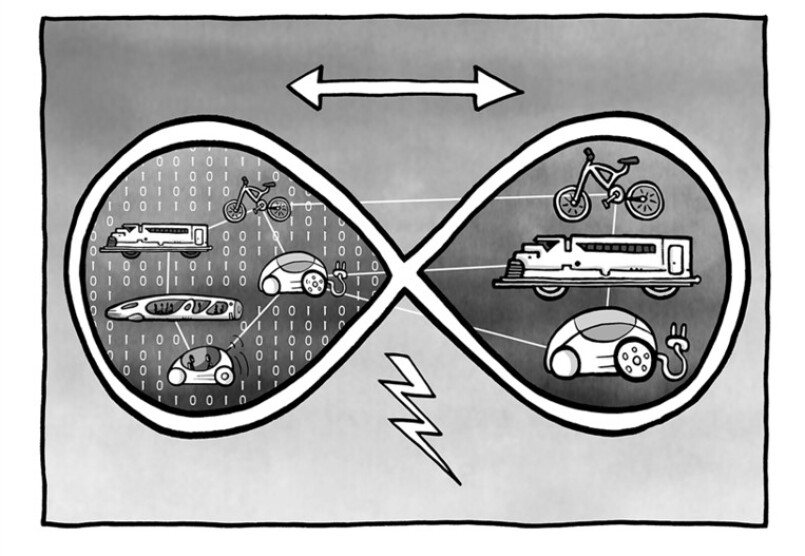
In the transition to new basic technologies, it often takes a long time before a new stable industrial architecture with a new dominant design is achieved. With this in mind, we are working with Deloitte and the VDA to examine the transition of automotive suppliers to electromobility. Most of these companies are capital-intensive and have to manage traditional and innovative business models with conflicting management logics (ambidexterity) simultaneously on a large scale and over a long period of time when replacing basic technologies. In an initial survey, we asked 83 German automotive suppliers how far they have come with the transformation to electromobility in the face of great uncertainty.
Business models and platforms for multi-life products
To increase the sustainability of products, it is helpful to extend product life cycles. This leads to an economical use of resources and accelerates the market launch of new technologies through better cost distribution in conjunction with a longer life cycle. Today's predominant volume-based linear development and production models are therefore reaching their limits due to the increasing scarcity of resources and the increasing internalization of external environmental costs into products through government regulations.
For this reason, a variety of end-of-life strategies have been developed to increase the eco-efficiency of products, such as remanufacturing, refurbishment and recycling. However, new second and third uses in new markets with significantly changed or new business models for multi-life applications are rarely pursued.
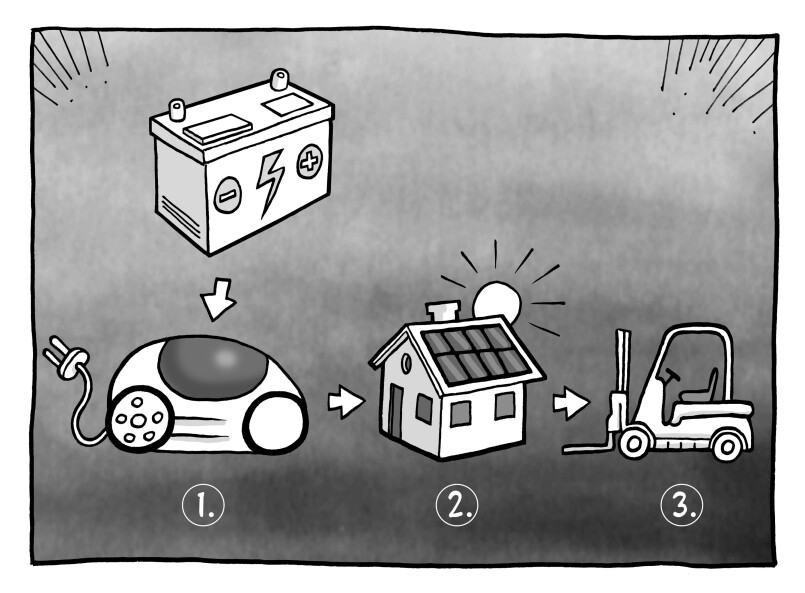
Using the example of batteries from electric vehicles, which can be reused, for example, as electricity storage in the household in conjunction with a photovoltaic system (second application) and then used again, for example, in forklift trucks (third application), it is being investigated in collaboration with the Chair of Product Development and Deloitte whether batteries have ecological and economic potential as an example of multi-life products with several applications and therefore several life cycles during their useful life.
Mobility-as-a-Service study
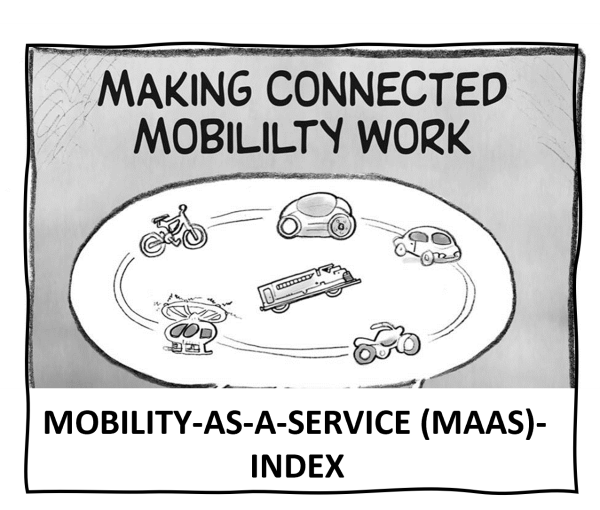
In collaboration with Deloitte and the Chair of Networked Embedded Systems (Prof. Dr. Pedro Marrón and Dr. Marcus Handte), we have developed an AI-based approach for the assessment of Mobility-as-a-Service (MaaS) offerings. It is based on the five dimensions of MaaS networks (ecosystems) that we are researching: 1. value proposition to customers according to their needs, 2. platform, 3. operating model, 4. governance and 5. shared value creation.
The research is regularly updated with data. For this purpose, texts in magazines and social media, among others, are analyzed with the help of AI-based text analysis software. This allows current discussions about MaaS offerings to be tracked, patterns to be recognized and developments to be identified.