

Collection management at the University Library
The University Library supports research, teaching and study at the UDE with a wide range of printed and digital media. Its collection is function-orientated, i.e. it is based on the needs of the users.
The library relies on modern acquisition strategies, flexible access options via its Primo discovery portal and additional services such as interlibrary loans and document delivery. Active collection management optimises the use of the library rooms and continuously adapts the services to current requirements.
Close co-operation with the subject disciplines and the consistent application of well-founded literature selection principles ensure that users always have access to relevant study and research literature - as the basis for a future-oriented, sustainable and flexible supply of literature.
Assignment of the University Library
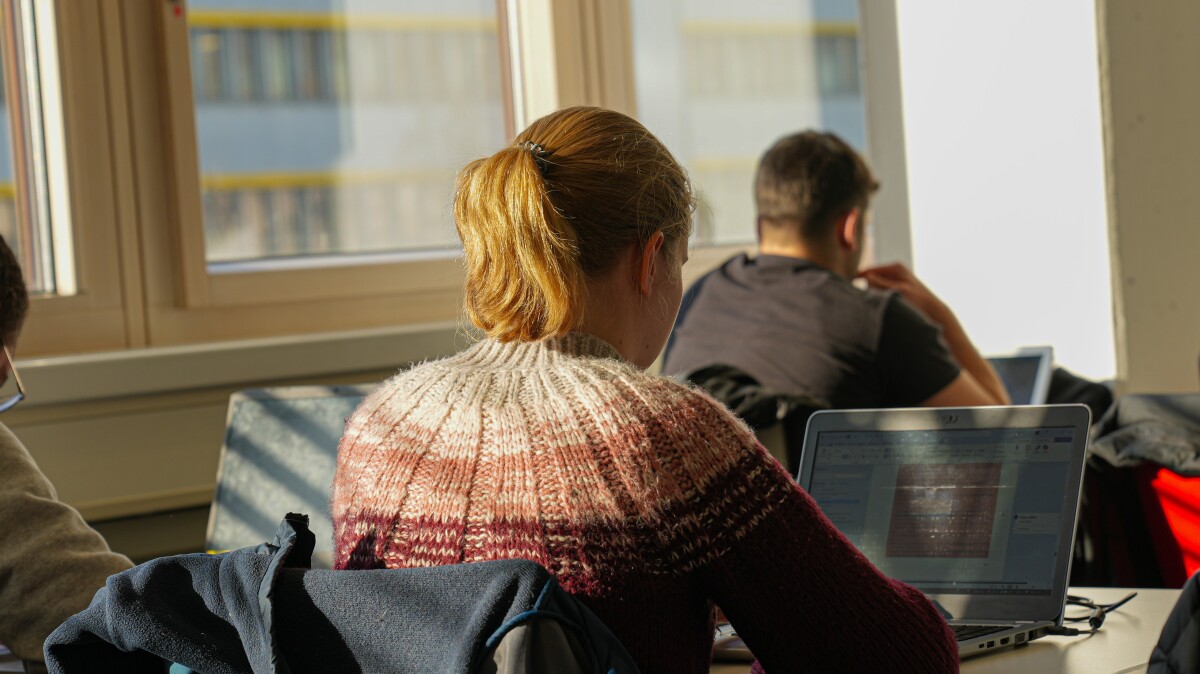
The library is a service organisation that supports research, teaching and studies at the UDE. It supports the UDE in the fulfilment of its information supply tasks and provides literature, information and data in electronic and printed form as well as related services.
To do this, the library builds up local collections, provides access to globally available content relevant to the UDE and ensures rapid accessibility and delivery of required documents.
Function-oriented collection
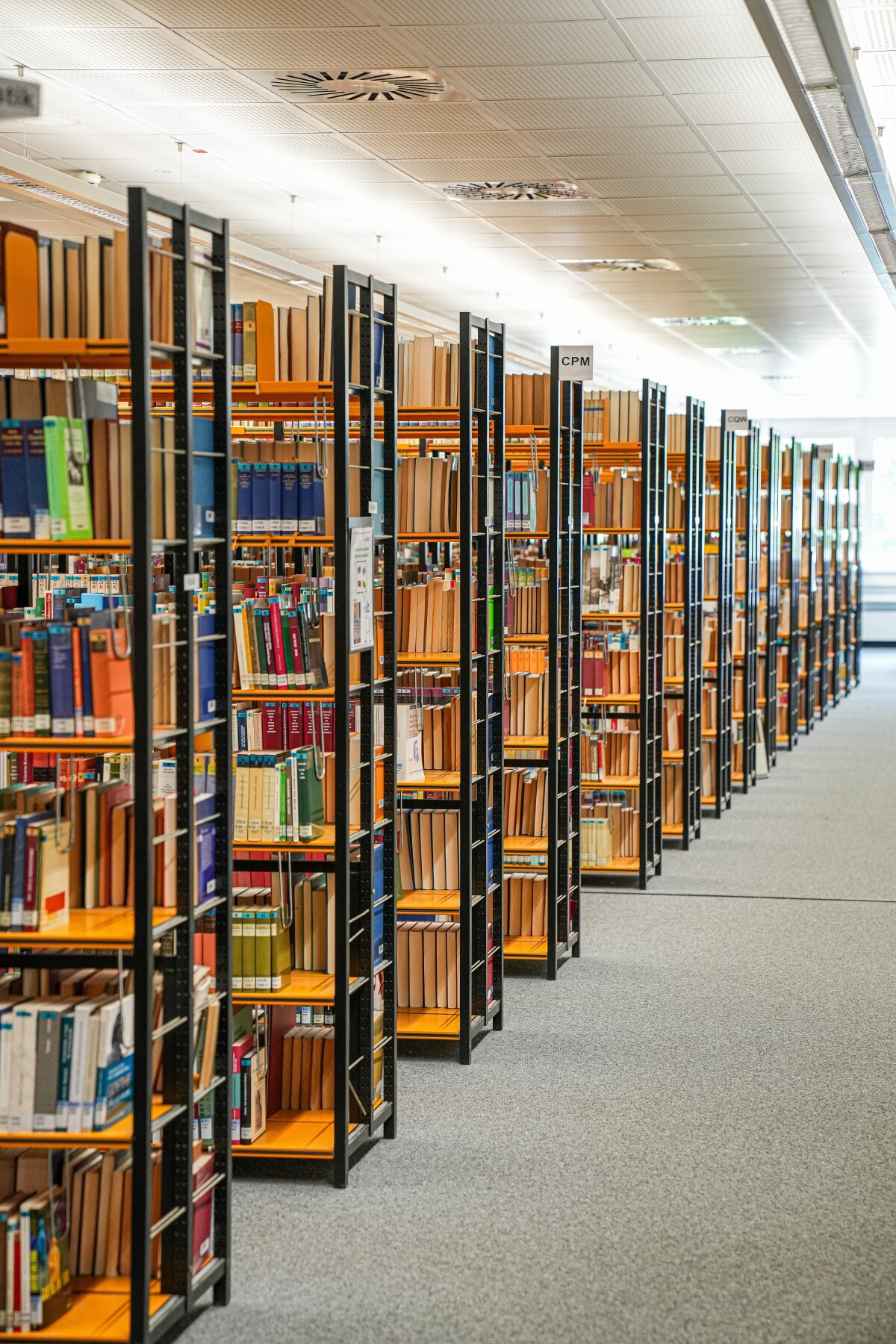
The library's collection profile is orientated towards the teaching and study commitments as well as the research focuses of the faculties. This applies to both printed and electronic media that are purchased or licenced, as well as to media that are offered as gifts or in exchange. With modern acquisition models such as consortial acquisition or temporary licensing of complete publishing offers (evidence-based selection, EBS), the library utilises its acquisition budget with the aim of providing the most comprehensive range of contemporary literature possible.
In recent years, the balance between print and digital holdings at the library has shifted significantly in favour of electronic media. The range of e-books has been significantly expanded in recent years, with the number of titles available more than doubling between 2018 and 2024. Nevertheless, the acquisition of print media remains an important segment of the collection strategy, but to a lesser extent than the licensing of e-media. This development meets the increasing demand for flexible access options independent of time and location, without neglecting the importance of printed works for certain subject areas and research contexts.
In addition, Primo also indexes literature that is not part of the library's holdings, such as journal articles that are not available in full text via the library. Primo thereby considerably expands the research options and makes it easier to find relevant literature. If a desired source is not available at the library, it is possible to order it via interlibrary loan or document delivery services and thus gain quick access to the required materials.
In addition to traditional media acquisition and reference, the library also offers teaching staff the opportunity to make additional relevant materials available for teaching.
Principles of literature selection
Media acquisition is carried out in cooperation between the faculties, usually represented by library officers, and the subject librarians at the library. Suggestions from users, who can submit their acquisition requests to the library via a digital acquisition form, are also actively included when building up the collection.
As part of the collection development, it must be ensured that:
- current study literature is available to students in sufficient quantities, both in printed and electronic form, and new editions or reprints of existing works that are still required are procured;
- basic research literature in the subject areas can be acquired;
- existing collection focuses are adequately covered;
- the relevant scientific journals and
- interdisciplinary and subject-specific databases are available;
- if necessary, a necessary adjustment is made with regard to any limited acquisition funds.
Active collection management
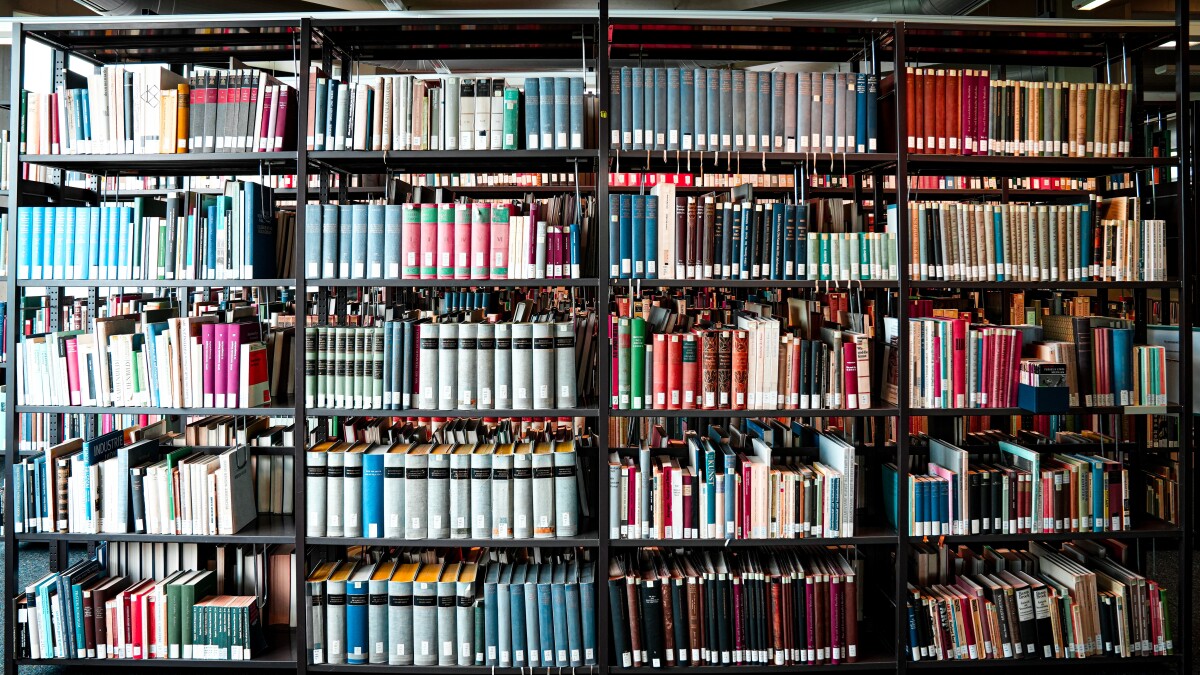
While electronic media do not take up any physical space, the on-site holdings in the library's branch libraries require active management to ensure that relevance, collection size and usage are in balance and that necessary and requested further developments of the library as a learning space can be made possible.
In addition to being shelved in the open access areas, media are also stored or removed from the shelves. Both the detailed usage data available and the expertise of the subject librarians as well as consultations with the faculties contribute to the decision-making process.
Future-orientated library for research, teaching and studies
The University Library considers itself a future-orientated service institution that makes a central contribution to the successful implementation of research, teaching and study tasks through sustainable collection management.
The library's aim is to provide the best possible support for both the range of degree programmes with strong student numbers and the specific needs of researchers by offering a balanced and diverse range of printed and electronic media. To achieve this, it relies on modern acquisition strategies, innovative licensing models and close cooperation with the specialist disciplines in order to ensure a needs-based, flexible and sustainable supply of literature and information.