
IAQ Report
Too Ill to Keep Working, Too Healthy for a Disability Pension?
- von Katja Goepel
- 09.07.2026
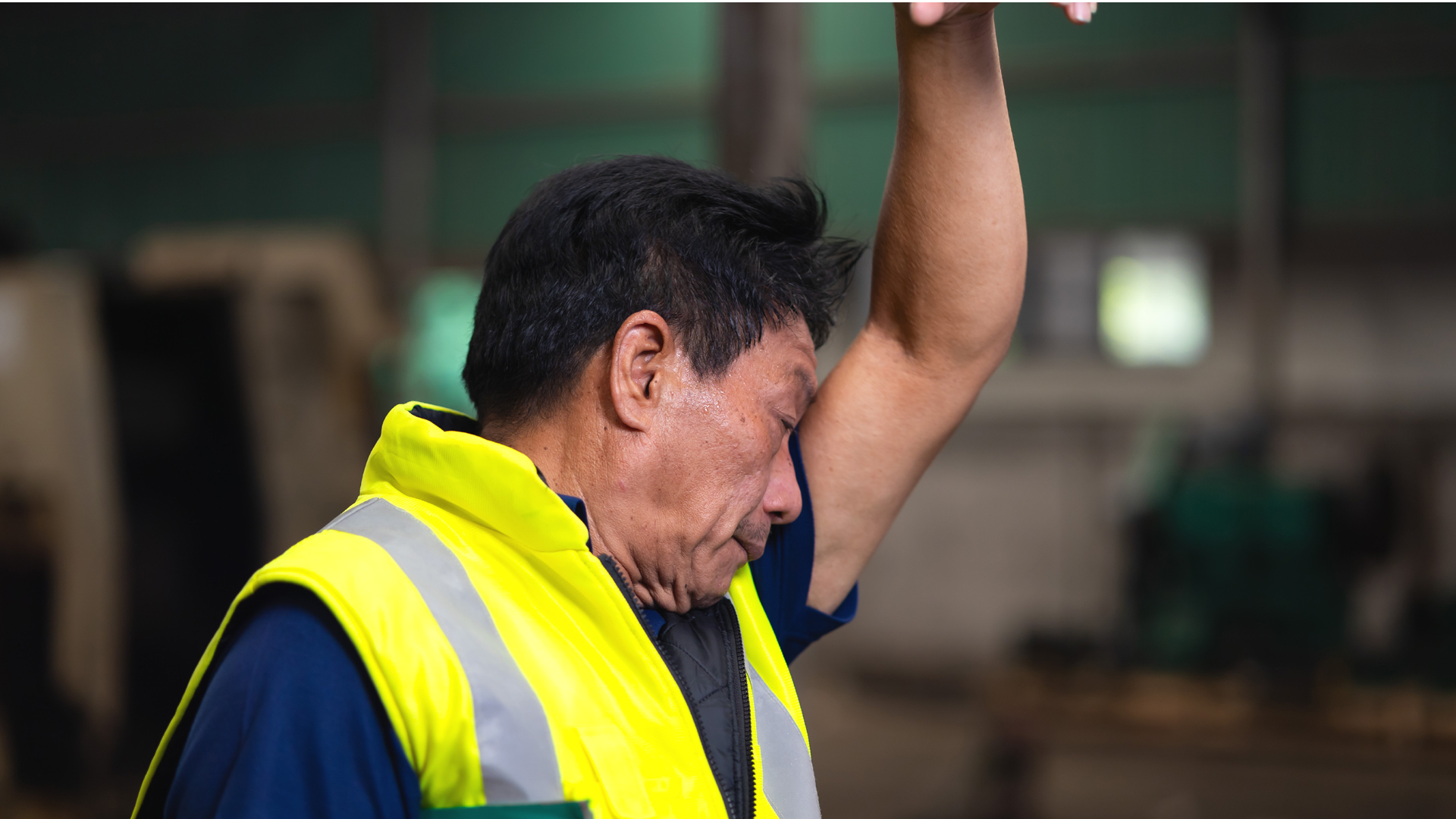
Germany's Pension Commission has proposed raising the statutory retirement age further from 2031 onwards. Yet many older workers already fail to reach the current retirement age because of health problems. A newly published report by the Institute for Work, Skills and Training (IAQ) at the University of Duisburg-Essen examines whether disability pensions provide an adequate safety net for these individuals. The findings suggest that eligibility requirements remain too restrictive for many people with health impairments.
Labour market researcher Prof. Dr. Martin Brussig analysed the extent of health limitations among pensioners, older employees approaching retirement (aged 58 to 65), and non-employed people in 2010 and 2023. The analysis is based on data from the Labour Market and Social Security Panel, which includes respondents' self-assessments of their health—widely regarded as a reliable indicator of overall health status.
As expected, older people who remain in employment are generally healthier than pensioners of the same age. However, the health of employed people aged 59 to 62 was, on average, worse in 2023 than it had been in 2010. "This suggests that some of today's older workers would have taken early retirement under the rules that applied in the past," Brussig explains. Since eligibility for early retirement has become more restrictive over time, this is often no longer an option. As a result, a growing number of older workers are, in his words, "too ill for regular employment, but not ill enough to qualify for a disability pension."
"The debate about raising the retirement age further would be far less problematic if older workers with health impairments had better opportunities to retire early," Brussig says. In the short term, he argues for easier access to health-related early retirement. In the longer term, he calls for greater investment in preventive measures, including healthcare and vocational rehabilitation.
Such measures, he argues, could address the widespread concern among employees that they will not be able to work until the statutory retirement age. A recent survey by the German Trade Union Confederation (DGB) found that only about half of employees believe they will be able to remain in work until reaching the regular retirement age.
Publication (in German only):
Brussig, Martin (2026): Health Limitations Among Older Workers and Early Retirees: Changes Resulting from Higher Retirement Ages. Transition to Retirement Report 2026-03. Düsseldorf/Duisburg: Hans Böckler Foundation / Institute for Work, Skills and Training (IAQ), University of Duisburg-Essen.
https://www.uni-due.de/iaq/auem-report-info.php?nr=2026-03
Further information:
Prof. Dr. Martin Brussig, Head of the IAQ Research Department "Labour Market – Integration – Mobility", phone: +49 203 379393, martin.brussig@uni-due.de
Editor: Katja Goepel, Press Officer, IAQ, phone: +49 203 3791836, katja.goepel@uni-due.de