
M.Sc. Mechanical Engineering
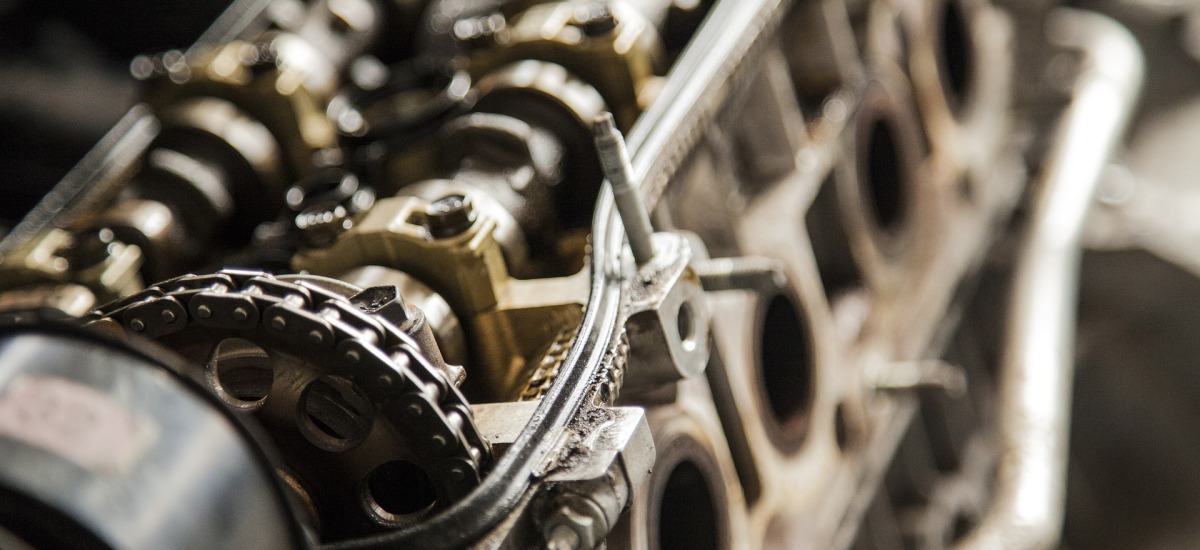
M.Sc. Mechanical Engineering
Study period
4 semesters (2 years)
Credits
120
Study begin
Winter and summer semester
Study place
Campus Duisburg
Language
50% German & 50% English
Description
Mechanical and plant engineering is one of the largest and most future-proof high-tech sectors in Germany. By combining mechanical engineering with electrical engineering, measurement and control engineering and information technology, new products and processes are constantly being developed. The Master's degree course in Mechanical Engineering is divided into seven specializations, each with a different focus:
The General Mechanical Engineering specialization offers a broad, traditional education in mechanical engineering. In addition to a sound technical basis, the curriculum includes elective options that allow students to individually design their profile.
The Mechatronics specialization combines traditional mechanical engineering with electrical engineering and information technology. Students learn the basics of developing and manufacturing mechatronic systems in which mechanical, electrical and electronic components are integrated in innovative modules.
Global markets and value chains require new and efficient material flows. In the Production and Logistics specialization, students acquire methods and techniques for planning, developing and controlling production and logistics processes in supply chains. The course combines technical aspects with organizational and economic requirements and prepares students for interdisciplinary activities.
In view of the global climate problem and scarcity of resources, energy and environmental technology plays a key role. The specialization qualifies students for the development of resource-saving systems and technologies to reduce environmental pollution in soil, water and air.
Maritime systems are among the most complex large-scale structures and facilities built by humans. What these systems have in common is that, on the one hand, they contain a high degree of specific, closely interlinked, complex subsystems and need to be operated with a high degree of efficiency, but on the other hand, they have to cope with the harsh environmental conditions at sea. The Sustainable and Autonomous Maritime Systems specialization addresses the need for highly qualified engineers. The solid foundation of general mechanical engineering is enhanced by industry-specific knowledge in the field of ship and offshore technology.
The Maritime Systems Safety specialization addresses issues relating to the safety of maritime systems. Building on a Bachelor's degree in engineering, specific content of safety-relevant areas of ship and offshore technology as well as knowledge of risk assessment, functional safety, diagnosis of systems, system reliability, control engineering and process control technology are taught.
The Turbomachinery specialization focuses on the physical relationships of energy conversion in the form of shaft power, e.g. for power generation and the conveyance of media. In addition to product development using the latest manufacturing methods, this also includes the thermodynamic, aerodynamic and rotor-dynamic design of turbomachinery with the aid of current development and research tools.
Study at UDEInformation about the degree program
Study plan
Study plan
You can find the examination regulations for your study program here: Examination regulations according to study programs
Study plans as well as information about the modules in the study program can be found in the module handbook:
Module handbook: M.Sc. Mechanical Engineering
Information material
Prospective students will find an overview of the study program here.
Study plans as well as information about the modules in the study program can be found in the module handbook: M.Sc. Mechanical Engineering
Admission
Admission requirements
- completion of a Bachelor's degree in the ISE program or
- equivalent degree from another German or foreign university. The assessment of equivalence is made by the examination board.
If the admission requirements are not fulfilled according to paragraph 2 or if a change of the field of study within the study program "ISE" takes place during the transition from Bachelor to Master, the examination board can combine the admission to the Master program with the condition to prove certain knowledge until the registration of the Master thesis. The type and extent of these requirements are determined individually by the examination board on the basis of the course content completed as part of the previous degree. The extent of the requirements is up to 2 courses.
Further information regarding admission requirements can be found on the pages of the study program "ISE".
Admission
Provided that the admission requirements are met, this Master study course has unrestricted admission (number of student places is not limited). Enrollment takes place during the enrollment period at the student registrar’s office at Campus Duisburg. [forms and further information]
For national applicants the following applies until further notice:
National applicants for the ISE Bachelor's or ISE Master's program should submit their Abitur/Bachelor's or comparable degree certificates to the ISE Examination Committee for confirmation of the special enrollment requirements and foreign language skills. This certificate must be presented at the time of enrollment.
ISE Examination Board
University of Duisburg-Essen
Faculty of Engineering
SG 182
Geibelstr. 47057 Duisburg
pa-ise@uni-due.de
Prospective students from non-EU countries should apply via UDE's application portal.
Language Skills
Upon enrollment, student applicants must provide proof of English and German language skills corresponding of a completed B2 level of the Common European Framework of Reference for Languages (CEFR).
Study abroad
Study-related stays abroad
For students who have acquired their university entrance qualification at a German institution, a stay abroad of three to six months is obligatory.
For students who have already completed this stay abroad as part of their ISE Bachelor's program at UDE, a further stay abroad is optional (§ 11 PO).
A study abroad can be easily integrated into your degree program. With a wide range of international exchange programs, you can spend one or more semesters abroad without extending your studies.
Your planned courses and academic achievements are coordinated with your faculty in advance, ensuring that the credits you earn abroad can be easily recognized. Many students take this opportunity to gain international experience and new perspectives for their studies and future career.
Your exchange opportunities:
- Europe: through ERASMUS+ and Aurora partner universities, e.g., in Italy, Spain, Austria, France, Finland, Turkey, and many other countries.
- Asia: Our exchange program with two partner universities in Southeast Asia is particularly attractive, including Universiti Kebangsaan Malaysia (UKM) and Universitas Indonesia (UI).
- Worldwide: our faculty maintains numerous cooperation programs worldwide – from Brazil and Mexico to South Korea, Taiwan, Japan, and many other countries.
Further information:
https://www.uni-due.de/iw/en/international/fiw
General Information
Living & Studying at the University of Duisburg-Essen

Semester
The academic year is divided into semesters.
- Winter semester: from October to March
- Summer semester: from April to September
Lecture period
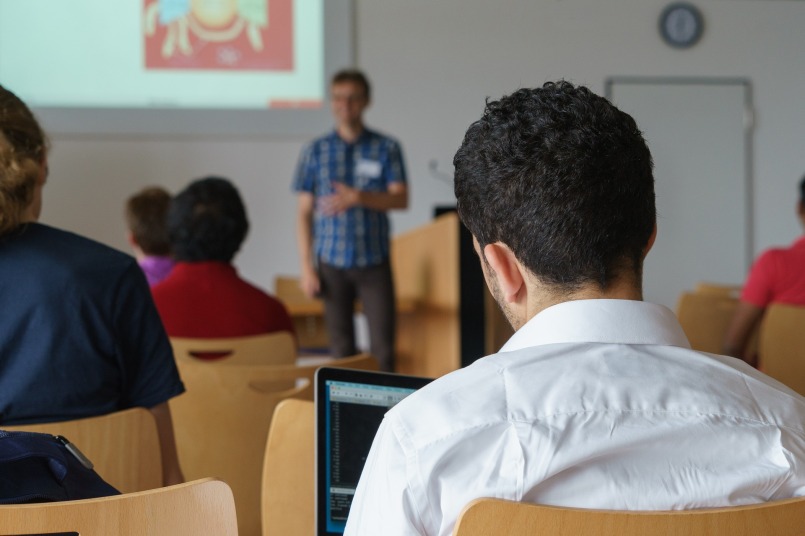
The winter lecture period usually starts in mid-October and ends in mid-February. In summer, the lecture period usually starts in mid-April and ends in July. During the winter semester there is a break of about two weeks during the Christmas holidays.
Examination phase
The examination phase begins about one week after the end of the lecture period and lasts about seven weeks.
Semester fee
All students have to pay a semester fee (social contribution) of about 320,- Euro per semester. You can find the current amount here. The social contribution includes, among other things, a semester ticket for public transportation in North Rhine-Westphalia and discounts on meals in the university's canteen and cafeteria.
Living expenses
We recommend to consider approximately 800 to 1000 Euro of personal expenses per month.
Accommodation
Accommodation is possible in dormitories of the Studierendenwerk and in premises of the free housing market. The rent in a room in a student dormitory is about 300,- Euro per month. You can find more information about housing options here.
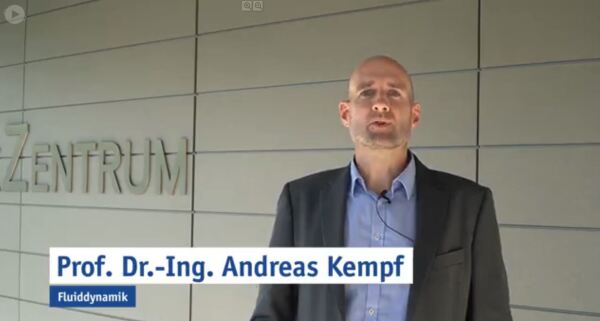
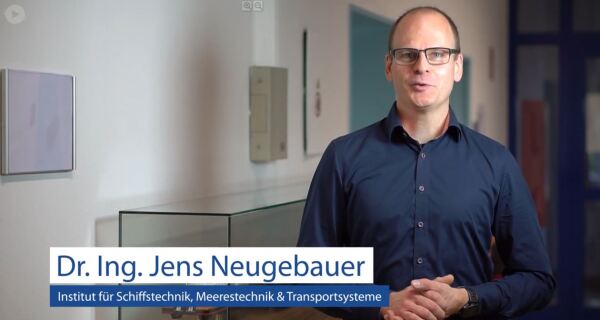
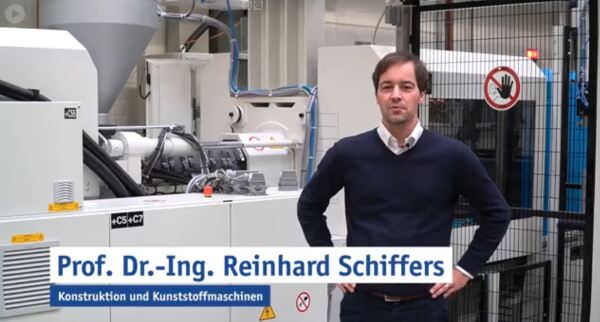
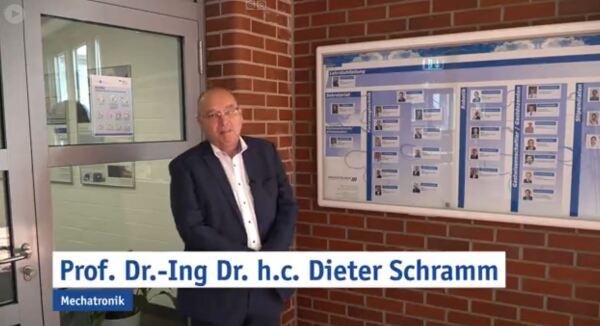
Introduction of the institutes
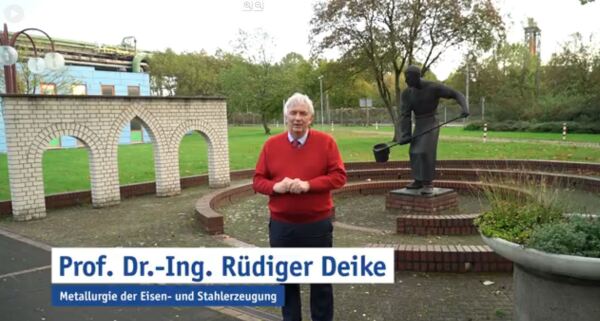


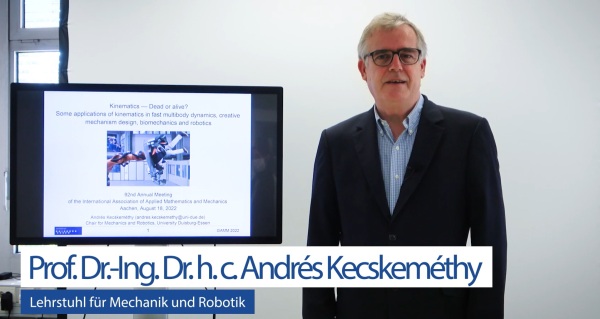
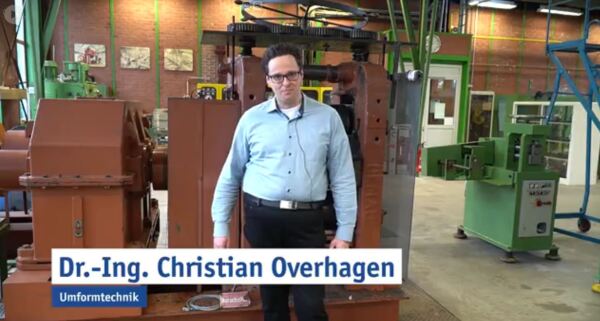
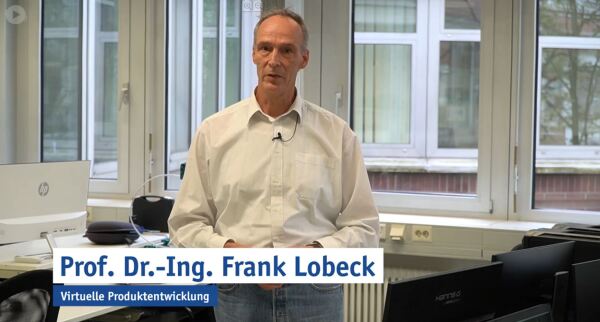
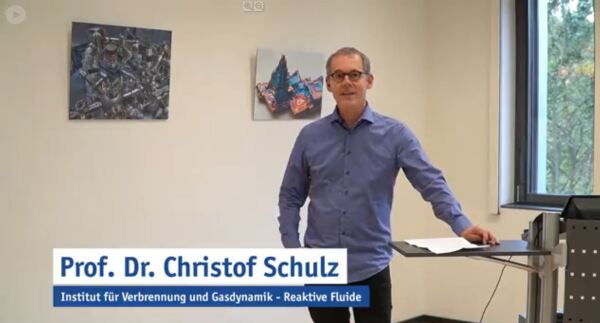
Contact
You have questions? We have answers!
Support Center for (International) Engineering Students Student advisory service
SG 119
Geibelstr. 41
47057 Duisburg
Tel.: +49 (0)203 379 3776
E-mail: scies@uni-due.de
Student council International Studies in Engineering
We are your point of contact! If you have questions about your studies or general concerns about us or our lecturers, you can contact us. We will solve your problems and answer your questions directly if possible or forward you to the right people. Just write us an email (ise.fachschaft@uni-due.de) or follow us on Instagram.
For prospective students and enrolled students General student counseling
ABZ offers counseling to prospective students, enrolled students and graduates on all questions concerning the choice of study program, studies and the transition into working career.
Support in the Faculty
Prof. Dr.-Ing. Rüdiger Deike
Friedrich-Ebert-Str. 12, 47119 Duisburg
Room ST 111
Phone: 0203/37-93455
Office hours: by arrangement